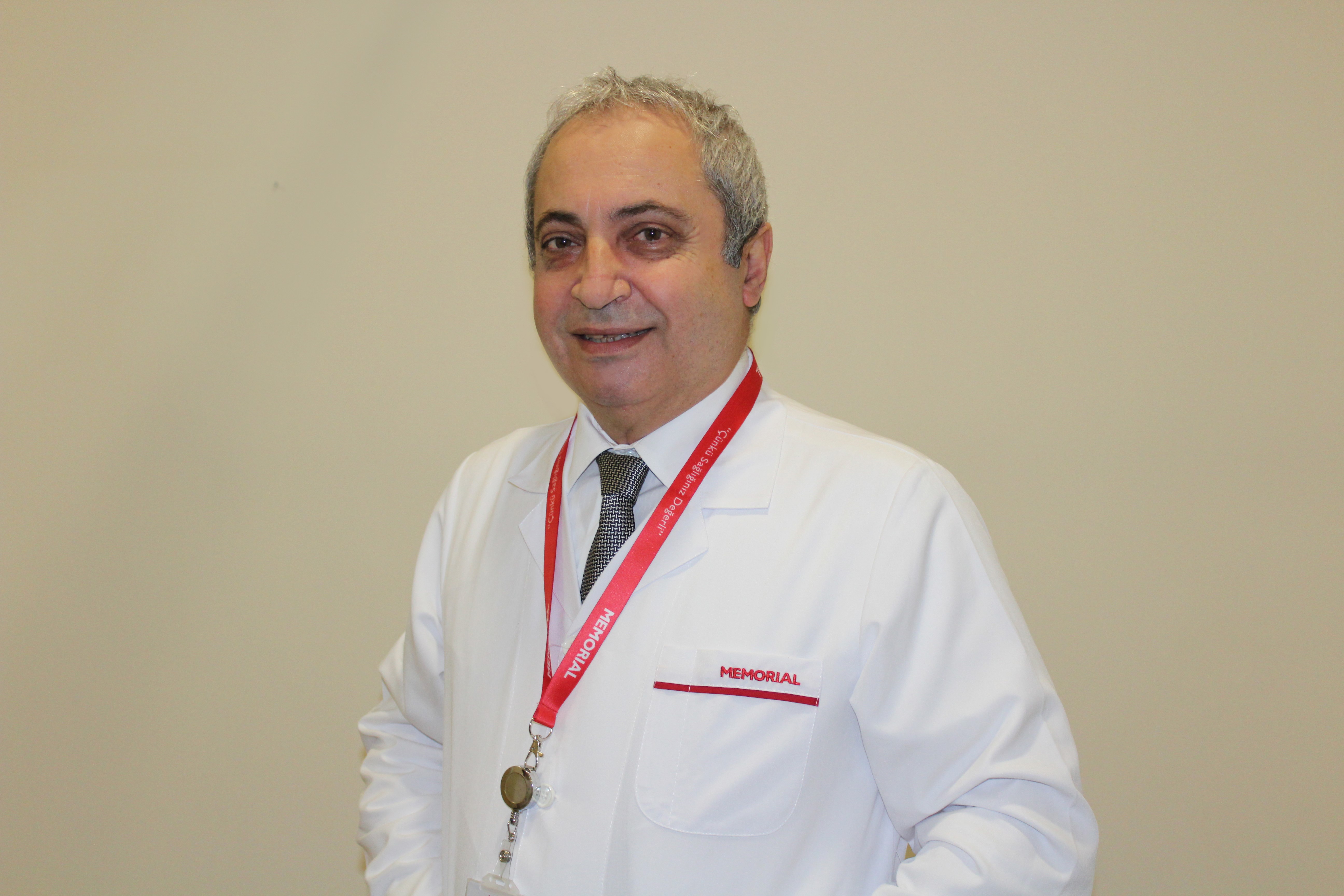
Prof. Dr. Erdal Kukul from the Department of Urology shared important information about prostate cancer.
Prof. Dr. Erdal Kukul from the Department of Urology at Memorial Antalya Hospital explained what should be known about prostate cancer due to “September 15 Prostate Cancer Awareness Day”.
Stating that the prostate is a small walnut-shaped gland that produces seminal fluid that nourishes and carries sperm in men, Kukul said about prostate cancer, “It is cancer that occurs in the prostate and is one of the most common types of cancer seen in men. Some types of prostate cancer grow slowly, remain limited to the prostate gland and do not spread. In fact, it is only monitored and may not require any treatment at all. However, some types of prostate cancer are aggressive and can spread rapidly.”
“1 in 8 men develop prostate cancer” Prof. Dr. Kukul said that those over the age of 50 or those with a family history of prostate cancer may be at higher risk. Pointing out that prostate cancer is not always life-threatening, Prof. Kukul said, “The earlier it is detected, the higher the possibility of recovery.”
“Early diagnosis saves lives”
Emphasizing the importance of early diagnosis in prostate cancer, Kukul said, “It develops in the prostate, a small walnut-shaped gland located under the bladder and in front of the rectum. This small gland secretes the fluid that mixes with semen, which keeps the sperm healthy for conception and pregnancy. Prostate cancer is a serious disease. Fortunately, most people with prostate cancer are diagnosed before it spreads beyond the prostate glands. Treatment at this stage usually eliminates the cancer. Prostate cancer does not cause symptoms in the early stages. Most symptoms occur when the normal prostate enlargement with the cancer squeezes the urethra. In advanced stages, the specific symptoms of prostate cancer are mostly bone pain.”
“Obesity can trigger prostate cancer”
Stating that the cause of prostate cancer is generally unknown, Kukul continued his words as follows:
“Age, race and genetic conditions can increase the risk of getting it. Most prostate cancer occurs in men aged 50 and over. It is more common in black men and less common in Asian men. Men whose father or brother has prostate cancer are more at risk. Recent research also shows that obesity increases the risk of prostate cancer.”
“Prostate cancer caught at an early stage brings a smile”
Prof. Dr. Erdal Kukul stated that there is only one diagnostic method for prostate cancer and said, “Several diagnostic methods such as physical examination of the prostate, blood tests (PSA), multiparametric MR scanning and biopsy are used. In patients diagnosed with prostate cancer, treatment is determined based on the general health status of the patient, the degree of the disease and whether there are any complaints. In the early stages, patients with no complaints may be observed and may not even receive any treatment, while in some types of prostate cancer, prostate cancer can be completely eliminated thanks to treatment in the early stages. Surgery in prostate cancer is the most common and most successful treatment for early prostate cancer. The aim of the surgical approach is to remove the entire prostate. Apart from surgery, radiotherapy (such as HIFU) methods are applied in the treatment of prostate cancer. In appropriate cases, the nerves around the prostate that help penis erection can be preserved.”
Kukul added that in order to prevent prostate cancer, regular prostate scans should be performed, ideal weight should be maintained, a nutritious diet with regular exercise and finally smoking should be quit.
