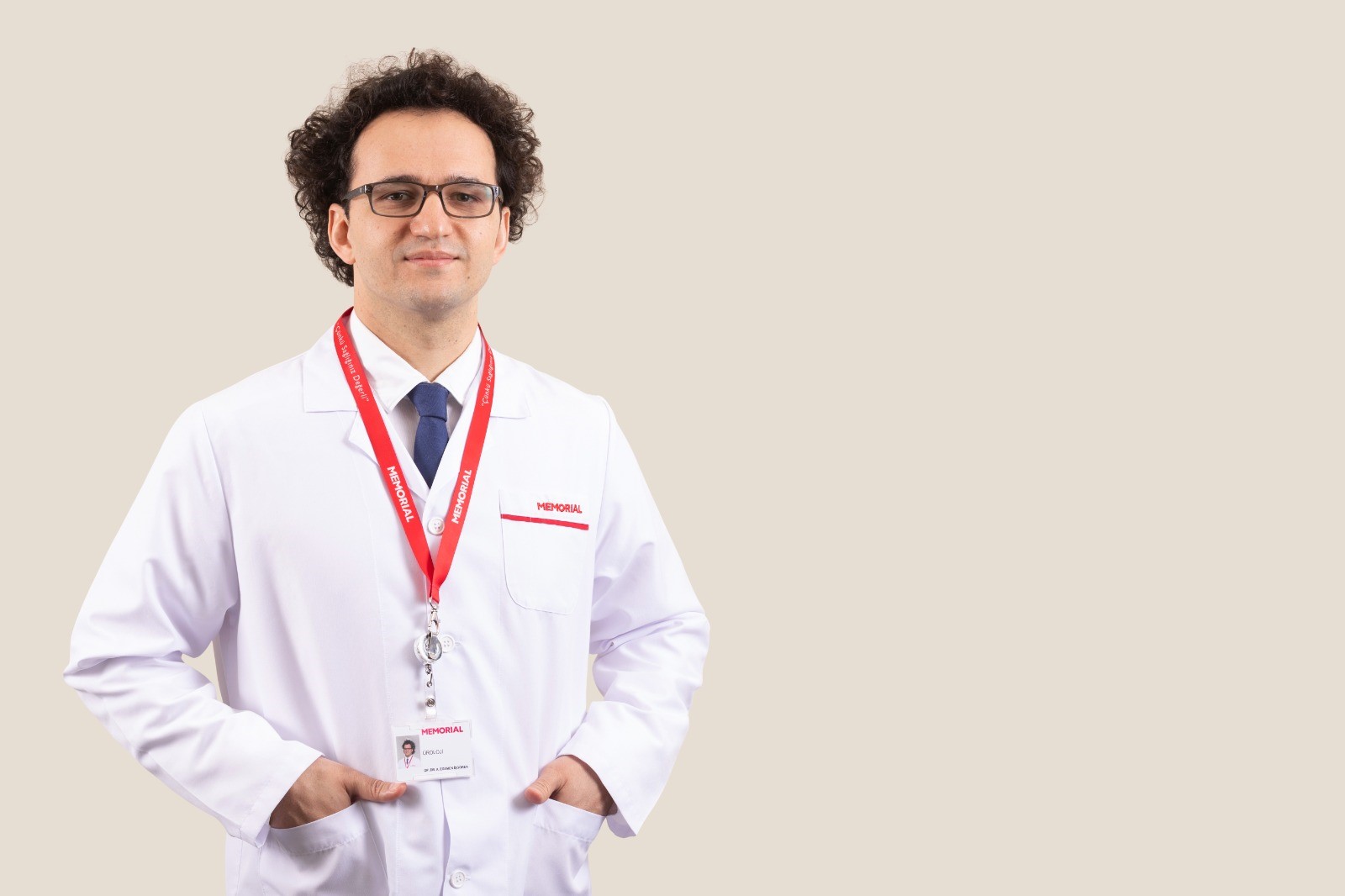
Op. Dr. A. Egemen İşgören from the Department of Urology gave information about testicular tumors and their treatment.
Op. Dr. A. Egemen İşgören from Memorial Antalya Hospital Urology Department gave information about testicular tumors and their treatment. Stating that the average age of men diagnosed with testicular cancer is about 33, İşgören said, “This is largely a disease of young and middle-aged men, but about 6 percent of cases occur in children and young people, and about 8 percent in men over the age of 55. Delay in diagnosis of testicular cancer can be dangerous. A delay of just 6 weeks can increase the risk of loss of life by 2 times. With developing treatment methods, up to 95 percent successful results can be achieved in patients with testicular tumors. Therefore, early diagnosis of testicular tumors is of vital importance.”
“Beware if there are siblings”
Noting that undescended testicles are among the leading causes that increase the risk of testicular tumors, İşgören said, “In addition to undescended testicles seen in 5-12 percent of patients with testicular tumors; causes such as testicular tumors in first-degree relatives (especially siblings), the occurrence of ‘Klinefelter syndrome’, which is a genetic disease, previous testicular tumors in the opposite testicle and infertility can also be listed among the causes of testicular cancer.”
“Shortness of breath and weight loss may be a harbinger of a tumor”
Pointing out that testicular tumors are usually painless masses, in some cases, it may also occur as acute pain after bleeding into the testicle or trauma, İşgören said, “On the other hand, water collection around the testicle (hydrocele) or breast enlargement and tenderness (gynecomastia) are among the symptoms of the disease. The disease usually does not spread to an advanced stage, but in rare cases where it does, it may cause mass formation in the neck of the cancer patient, shortness of breath, weight loss, nausea and vomiting.
Physical examination, testicular ultrasound and blood tests are needed for diagnosis. In addition to these examinations; chest X-ray and tomography are also taken against the risk of tumor spread.”
7 symptoms
“When these complaints occur, especially if they last longer than two weeks, a specialist opinion should definitely be sought,” said İşgören and concluded his words by listing the complaints as follows:
“Enlargement and palpable mass in the testicle, feeling of heaviness in the testicular sac, pain in the abdomen and groin area, fluid collection in the testicular sac, pain and discomfort in the testicles, painful growth in the breasts and back pain. A palpable mass in the testicle is considered a tumor unless proven otherwise and treatment is started immediately. It is very important to act quickly to perform the necessary pathological examination and confirm the diagnosis. According to the results of the pathological examination, the stage of the disease and subtypes that vary according to cell structure are defined. In line with the results obtained, it is determined whether additional treatment such as 'chemotherapy' or 'radiotherapy' is needed. After surgery, a good follow-up should be done according to the stage and type of the tumor. The most important factor that increases the chance of success in the treatment of the disease is early diagnosis and appropriate treatment in a short time.”
