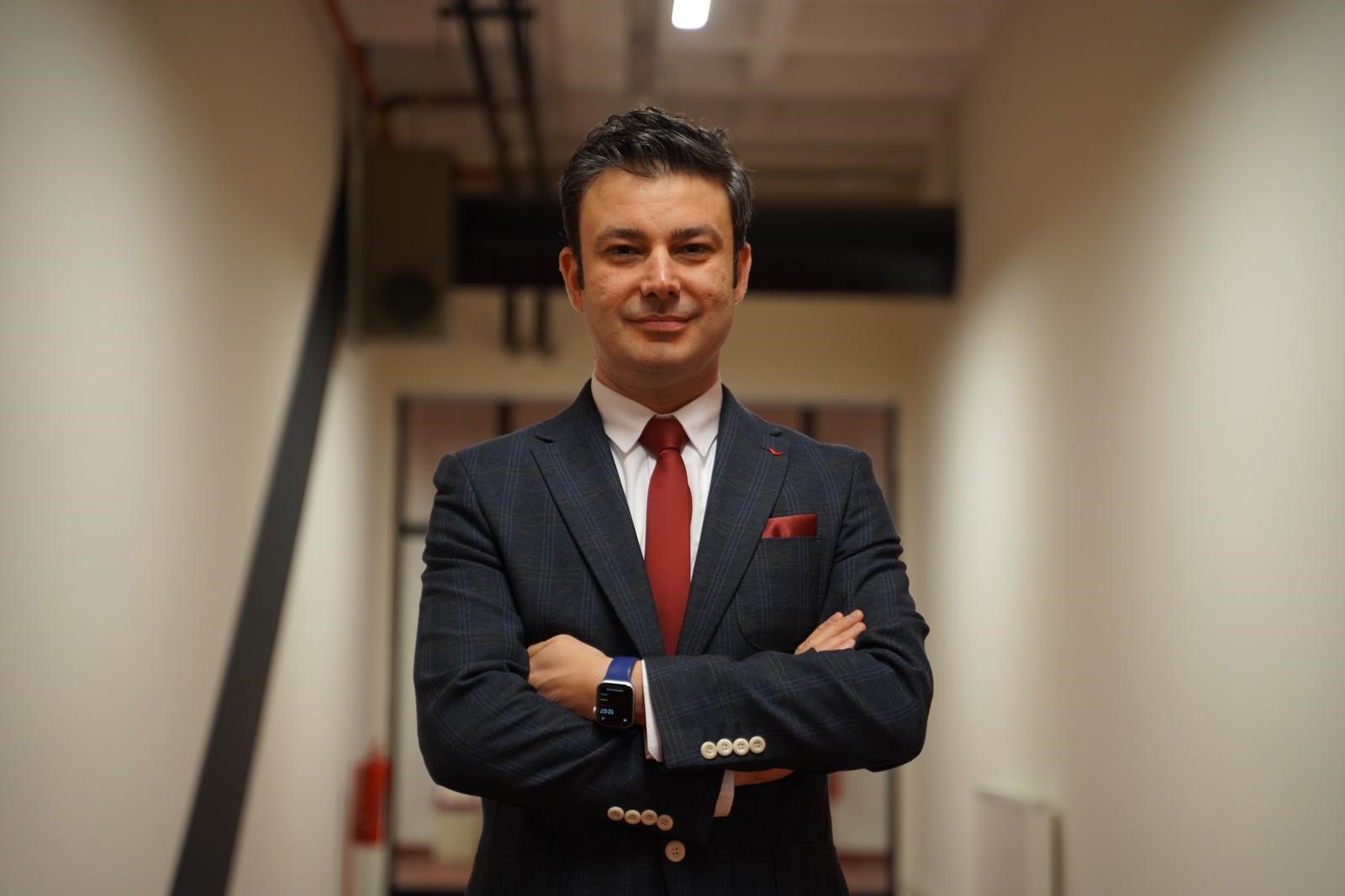
Recently, increasing cases of food poisoning have affected dozens of citizens. Nutrition and Dietetics Specialist Dr. Lecturer. Prof. Dr. Merve Bayram, Nutrition and Dietetics Specialist, stated that food poisoning can cause serious health problems in some cases, especially in individuals with weak immune systems, while Prof. Dr. Arda Öztürkcan, Lecturer at Istanbul Gelisim University Faculty of Health Sciences, Department of Nutrition and Dietetics, explained the correct storage conditions of food.
Stating that food poisoning is a health problem that occurs as a result of consuming contaminated (contaminated) food or beverages, Istanbul Gelisim University Faculty of Health Sciences, Department of Nutrition and Dietetics Head of Nutrition and Dietetics, Lecturer. Prof. Dr. Merve Bayram said, “Food poisoning occurs when harmful microorganisms such as bacteria, viruses, parasites or toxins contaminate food. These microorganisms can contaminate food due to food spoilage, inadequate cooking, lack of hygiene or improper storage conditions.”
“Symptoms of poisoning can be seen between a few hours and a few days”
Stating that the symptoms of food poisoning will usually appear a few hours to a few days after consuming contaminated food, Dr. Lecturer. Prof. Dr. Merve Bayram said, “Symptoms such as nausea, vomiting, abdominal pain and cramps, diarrhea (in some cases bloody diarrhea), fever, head and muscle aches can be seen. Most cases of food poisoning are mild and resolve spontaneously within a few days, but this period may vary depending on individuals' reactions to contaminated foods, the amount consumed and the individual's sensitivity to bacteria and toxins. In addition, in some cases, especially in individuals with weak immune systems, it can lead to serious health problems.”
“Cooked food should not be kept for more than 2 hours”
It is very important to adopt healthy and safe eating habits to reduce the risk of food poisoning in summer. Prof. Dr. Lecturer. Prof. Dr. Merve Bayram emphasized that foods should be cooked well during this period and cooked foods should not be kept for more than 2 hours.
Stating that fresh and reliable foods should be preferred, Merve Bayram said, “Pay attention to the expiration date of packaged products and make sure that the packaging is not damaged. If the production date and expiration dates are not written on the food, do not buy those products. Paying attention to hygiene rules is also a big factor in preventing food poisoning. Hands should be washed frequently before and during food preparation; kitchen utensils such as knives and cutting boards should be thoroughly cleaned after contact with raw food.”
“Drink water only from reliable water sources”
Stating that care should be taken when eating out, Nutrition and Dietetics Specialist Dr. Lecturer. Prof. Dr. Merve Bayram said, “You should not buy products that you do not know how they are stored, that are not inspected and sold openly on the stalls. Drink water only from reliable water sources. In doubtful cases, boil water or use purification devices,” she said and added:
“Avoid hard-to-digest and fatty foods in hot weather. Prefer light, vegetable-heavy foods with high water content. Eating frequently in small portions does not tire the digestive system and is beneficial for overall health. It is also important to drink plenty of water during the summer months.”
“It is vital to pay attention to food storage conditions”
