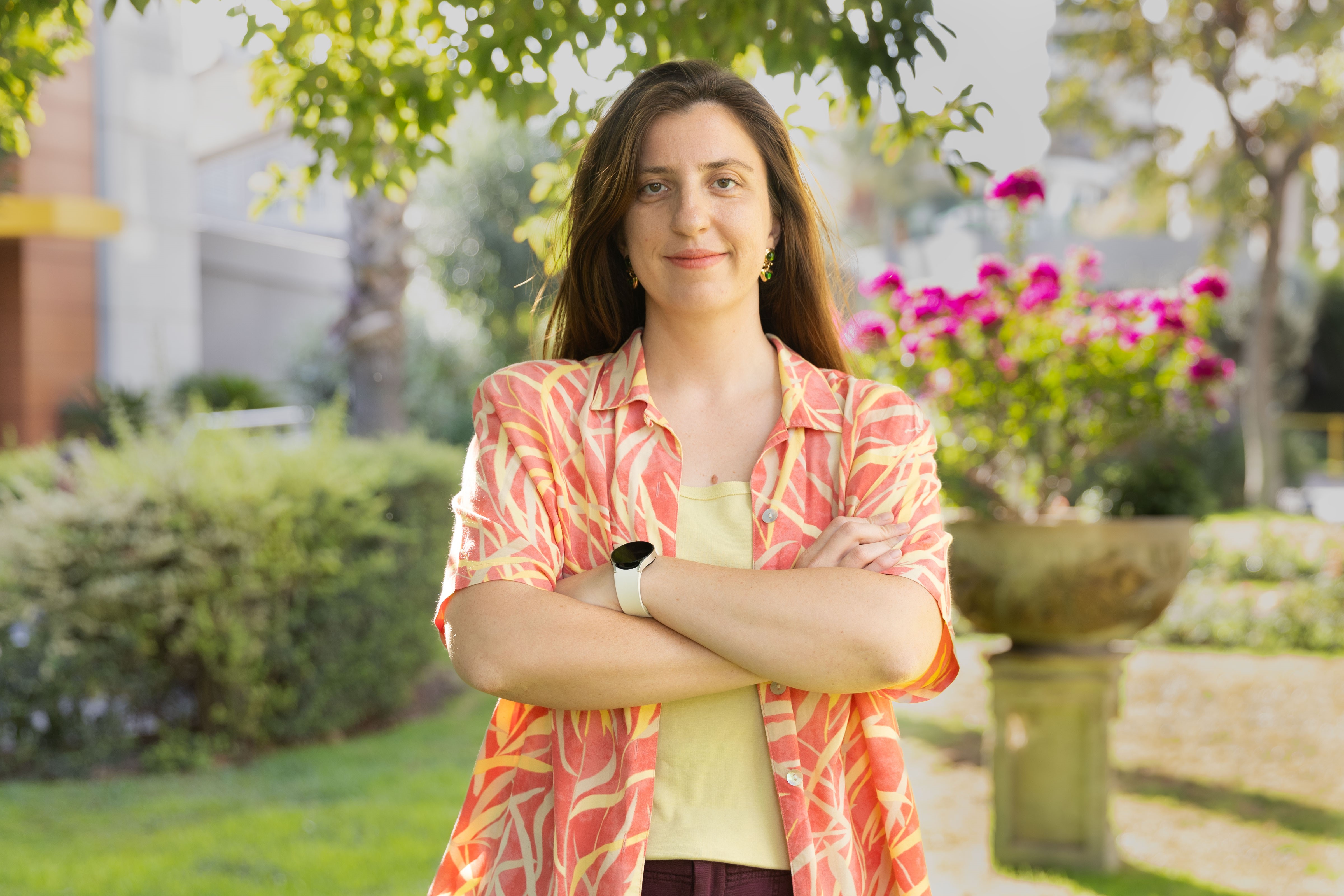
Stating that agricultural food chains should be reoriented in order to minimize the threats of climate change and food security and to ensure sustainability in agriculture, Yaşar University Faculty of Agricultural Sciences and Technologies, Department of Agricultural Economics Research Assist. Pelin Atakan Ambarcı said that this gap can be closed significantly by bringing underutilized orphan species back to the table.
Finding a wider place in our nutrition system for plant and animal species, which we call 'orphan species', which have high nutritional value but have little or no place on our tables today or have been completely forgotten, can contribute to the protection of biodiversity and make our agricultural systems more resilient in the long term.
Emphasizing that the basic logic in the agricultural sector in the current system is to increase food too much and make it cheaper. Pelin Atakan Ambarcı stated that this may have negative consequences in the long term and said the following: “According to the 2023 report of the Food and Agriculture Organization of the United Nations (FAO), when we look at the overall agricultural production, only four products make up about half of it on a ton basis. These are rice, wheat, corn and sugar beet. It is known that approximately 7 thousand plant species have been used as food in human history. Today, however, only around 150 species are commercially produced and commercially available. This is a negative situation for biodiversity. However, we need biodiversity for the balance of nature. Our monoculture-based agricultural systems, which are based on producing only one crop on large plots of land, are severely damaging this. Pollination, soil quality and agricultural resilience are declining. The reduced resilience associated with monoculture production, combined with problems linked to global shocks such as climate change or covid, seriously jeopardizes the efficiency of agricultural production and food security.”
Hidden hunger
Explaining that about 60 percent of our energy source in our nutrition system consists of four products, namely rice, wheat, corn and potato, Assoc. Pelin Atakan Ambarcı said, “People consume too much grains and sugar for energy. This causes us to be unbalanced and malnourished. We get proteins in small amounts and only from certain products. Grains are not sufficient in terms of the vitamins we need. This type of diet leads to “hidden hunger” or obesity.”
Research Assistant Prof. Dr. Pelin Atakan Ambarcı gave a seminar titled “The Role of Behavioral Barriers in Consumer Acceptance of Underutilized and Genetically Diverse Foods” at the Chania Mediterranean Agricultural Research Institute on the Greek island of Crete. Pelin Atakan Ambarcı gave the following information about the project they carried out: “At the 188th Seminar of the European Association of Agricultural Economists, which was held with 130 participants from 26 countries with the title 'Reorienting agricultural food chains to prevent climate change and food security threats', we made a presentation under the title of 'The role of behavioral barriers in consumer acceptance of underutilized and genetically diverse foods', which we worked on together with our professors Cihat Günden, Murat Yercan, Konstadinos Mattas and Marija Knez from Ege University.
The project is called 'BIOVALUE: A fork-to-farm agent-based simulation tool that increases biodiversity in the agri-food value chain'. In the project, we are investigating how we can include some products that will support biodiversity, i.e. orphan species, into this target diet and how to put the consumer on this path.”
Şevketi bostan, sea fennel are rich in fiber, vitamins and minerals
Stating that including these orphan species, defined as NUS, in the diet has many advantages, Assist. Pelin Atakan Ambarcı said, “When we include orphan species that we have forgotten or are not produced much in our diet, we can contribute to increasing agricultural resilience by supporting biodiversity. It provides resistance to disasters such as drought and floods caused by climate change. The balance of water and nitrogen in the soil and the quality of the soil are maintained. In terms of human health, adequate and balanced nutrition is provided.”
Giving examples of these species, which are very rich in fiber, vitamins and minerals, Assist. Pelin Atakan Ambarcı said, “Orphan species vary according to each region. For the Aegean region, we can give examples such as Şevketi bostan, sea fennel and some cowpea species. These species bring diversity to the region and have very high nutritional properties. These crops are generally not widely cultivated in their region. We should focus on orphan species and include them in our nutrition system. We should rediscover these forgotten species.”
Assist. Pelin Atakan Ambarcı also said, “Quinoa and chia seeds are among the species that we can call orphan species that have become popular and increased production in recent years. These products are a storehouse of vegetable protein, fiber, antioxidants and minerals. However, the recent widespread monoculture-style production of these species also raises questions about agricultural sustainability.”
There are barriers
“In fact, although the benefits of such nutrients, which we call NUS in society, are known, they are not consumed due to various prejudices or habits.” Pelin Atakan Ambarcı continued as follows: “Although the benefits of these foods are known, they are not consumed due to various prejudices or habits. The consumer encounters some barriers. They cannot find these products, the price may be too high, and sometimes they do not know how to cook them or with which products they can consume them. At times, consuming these products is even associated with poverty or subculture. We need to overcome these prejudices by increasing the level of knowledge and teaching how to use these foods.
İHA Haber Kodu: 20241013AW307115