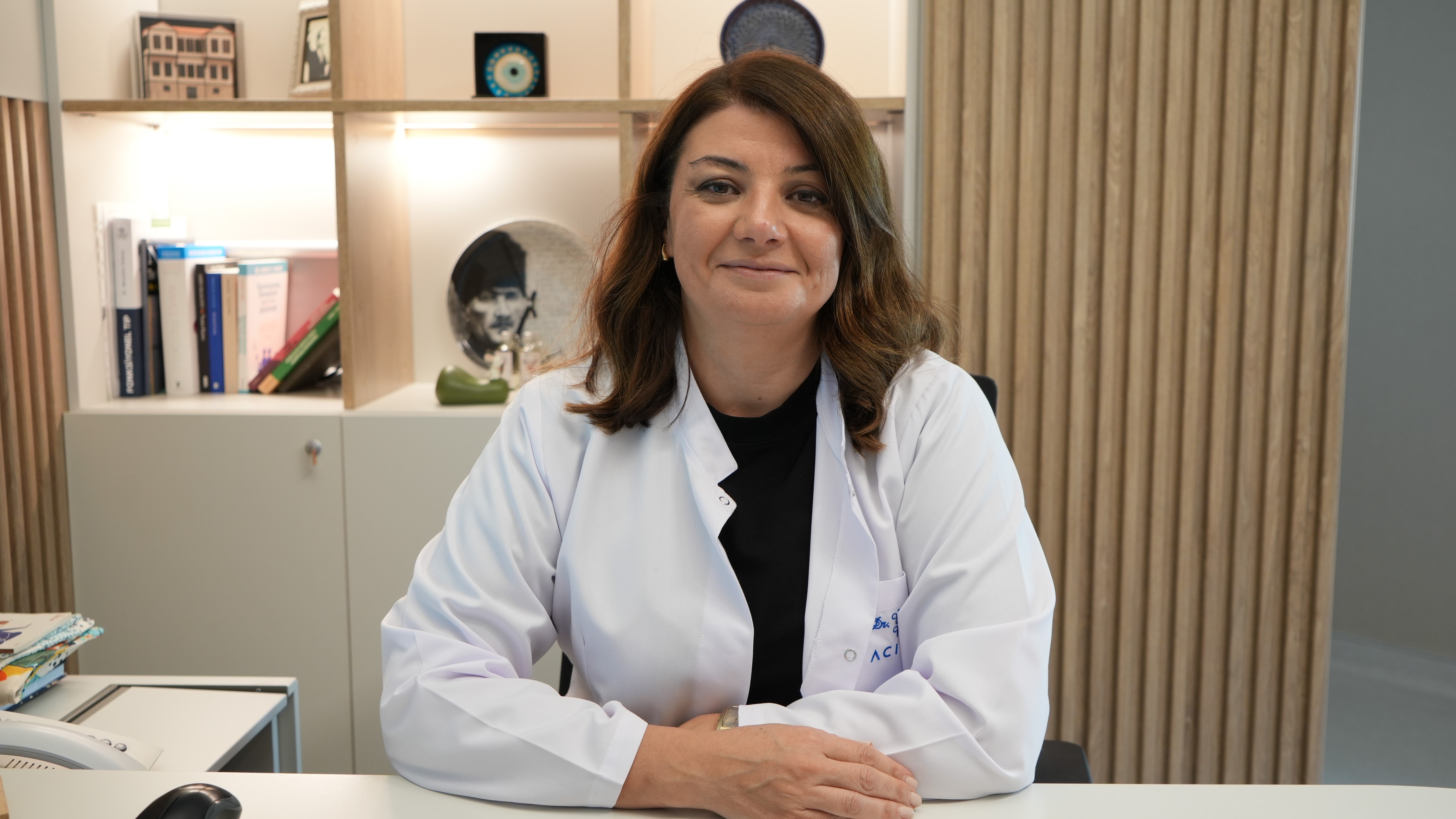
Pointing out that Alzheimer's disease, whose incidence is increasing, starts with simple forgetfulness, Neurology Specialist Dr. Ümit Eren recommended that a neurology specialist should be consulted when symptoms such as forgetting recent events, confusing the money account, not being able to find the roads, and personality changes are observed.
Stating that Alzheimer's disease is a progressive disease that causes brain cells to die over time, Acıbadem Bursa Hospital Neurology Specialist Dr. Ümit Eren gave important information on the occasion of September 21, World Alzheimer's Day and Alzheimer's Awareness Month. Stating that Alzheimer's manifests itself with symptoms such as memory loss, decreased thinking ability and behavioral changes, Dr. Eren stated that it is generally more common in individuals aged 65 years and older, and that it can rarely occur at younger ages. Pointing out that there is no definitive cure for the disease, Dr. Eren said, “Although there is no definitive cure for the disease, the progression of the disease can be slowed down and the quality of life of patients can be increased with early diagnosis. Family members and relatives should pay attention to symptoms such as memory loss and difficulty in performing daily activities. It is vital that they consult a neurology specialist.”
Stating that the most common type of dementia is Alzheimer's, Dr. Eren said that the disease starts with symptoms such as simple forgetfulness, forgetting recent events, confusing the money account, not finding the roads, personality changes and progresses gradually and this progression can last for many years. Stating that it can rarely affect individuals under the age of 65, Dr. Eren said, “Symptoms of Alzheimer's disease that start at a young age include the inability to do several jobs at the same time, difficulty in calculating mentally, difficulty in finding a way, difficulty in completing the work done before.”
Stating that the first stage usually lasts 2 to 4 years, Dr. Eren said that in this stage, problems in near memory, frequently asking the same questions, depression, denial of forgetfulness, mild difficulty in expressing oneself, such as problems in daily life that can be noticed by those who know him closely. Pointing out that the second stage is experienced between 2 and 10 years, Dr. Eren said, “Progressive memory disorders begin to affect daily life. They need help in daily life activities. It is very difficult to learn new things. They have difficulty in doing tasks that consist of several stages, such as getting dressed. In the last stage, he/she cannot recognize his/her relatives. Past and present time are confused, there are frequent falls, swallowing and self-care problems. He becomes in need of care,” he said.
Dr. Eren listed the causes of Alzheimer's as advanced age, family history of Alzheimer's, obesity, uncontrolled diabetes, blood pressure, sleep disorders, traumatic brain injury, depression, lack of physical activity and unbalanced nutrition.
“Exercise, solve puzzles, eat a healthy diet”
Speaking about some lifestyle changes that can be protective against Alzheimer's disease, Dr. Eren said that physical activity is the most important of these. He emphasized that regular exercise plays an important role in protecting brain health; walking, swimming or light sports increase blood circulation and help keep the vessels that feed the brain healthy. Mentally stimulating activities such as solving puzzles, reading books and learning a new language can also support brain function and reduce the risk of Alzheimer's.
Referring to balanced nutrition as another measure, Dr. Eren said, “A diet rich in omega-3 fatty acids, antioxidants and vitamins supports brain health. Healthy eating habits, such as the Mediterranean diet, can help reduce the risk of Alzheimer's.” Dr. Eren also pointed to the importance of social connections, adding that being socially active is an important way to maintain mental and emotional health, and that regular communication with family, friends and community keeps brain function alive.
Emphasizing that Alzheimer's affects not only individuals, but also families and the whole society, Dr. Eren said, “For this reason, supporting patients and their caregivers should be a duty of society. Strengthening social awareness and support mechanisms will play a major role in improving the quality of life of patients and their families.”
İHA Haber Kodu: 20240915AW287726