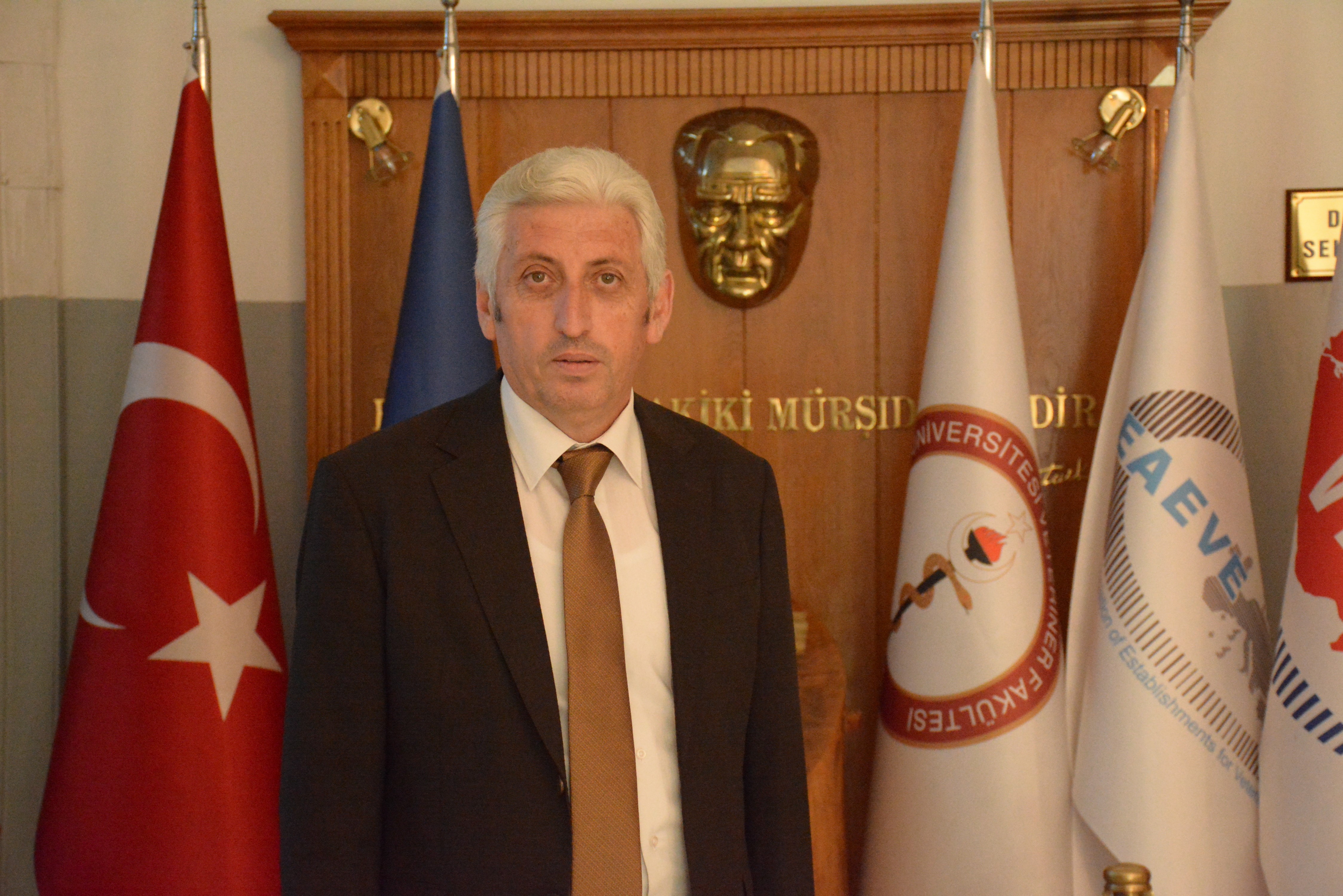
Prof. Dr. Ender Yarsan, Dean of the Faculty of Veterinary Medicine at Ankara University, said, “Zoonotic diseases spread very quickly, especially in the event of disasters, and thus affect public health.”
Every year in Turkey there are earthquakes, floods and fires that cause loss of life and property. Disasters affect not only human life but also the animal population. Bacterial and viral diseases that occur in animals after disasters threaten public health.
“Treatment services should be provided by veterinarians”
Stating that veterinary medicine in disasters should be handled in a wide range of dimensions, Prof. Dr. Ender Yarsan, Dean of the Faculty of Veterinary Medicine at Ankara University, said in a statement to İHA correspondent
“If there is an earthquake, flood or fire situation, veterinarians should provide treatment services for domestic and wild animals there. Treatment of rescued animals, creation of health institutions, such as field hospitals. Likewise, the provision of medical supplies, safe food, clean water and the treatment and care of these animals are also considered as a process.”
“Nutrition of search and rescue dogs is important”
Prof. Dr. Yarsan said that the rehabilitation of dogs involved in search and rescue activities should be ensured and added, “It is extremely important to feed them and ensure their safety. Because we have also seen in the recent earthquake example. It is extremely important to utilize such task dogs especially in search activities. Their working areas, duration, feeding and rehabilitation must be done correctly. This is also important in terms of veterinary services.”
“A risk in animal health also affects public health”
Prof. Dr. Yarsan said, “An extremely important point is that events related to animal health should also be evaluated with the dimensions that will reflect on public health. This happened in the earthquake or in different kinds of natural disasters. A risk in animal health also affects public health. We refer to these as diseases that will be transmitted from animals to humans.”
Animal diseases emerging in disasters threaten public health
Yarsan continued his speech as follows:
“Zoonotic diseases spread very rapidly especially in case of disasters and thus affect public health. Therefore, the fight against zoonotic diseases should also be taken into consideration within the integrity of the fight against disasters. There are many examples. For example, these were experienced in Malaysia, Haiti, Bolu and the earthquake in Gölcük. There are about two hundred zoonotic diseases. 40 of them are seen in our country.”
“The movements of rodents change after the earthquake”
Yarsan made the following statements:
“We see that bacterial and viral diseases occur intensively after disasters. Earthquake is an extremely important natural disaster. As a result of the earthquake, for example, the movements of rodents change. The areas where they are located change. Then, the disease caused by rodent rats or rodents in one region will be seen in another region depending on that change of location. This is also an important problem.”
“Vectors emerge intensively with pollution in water sources”
