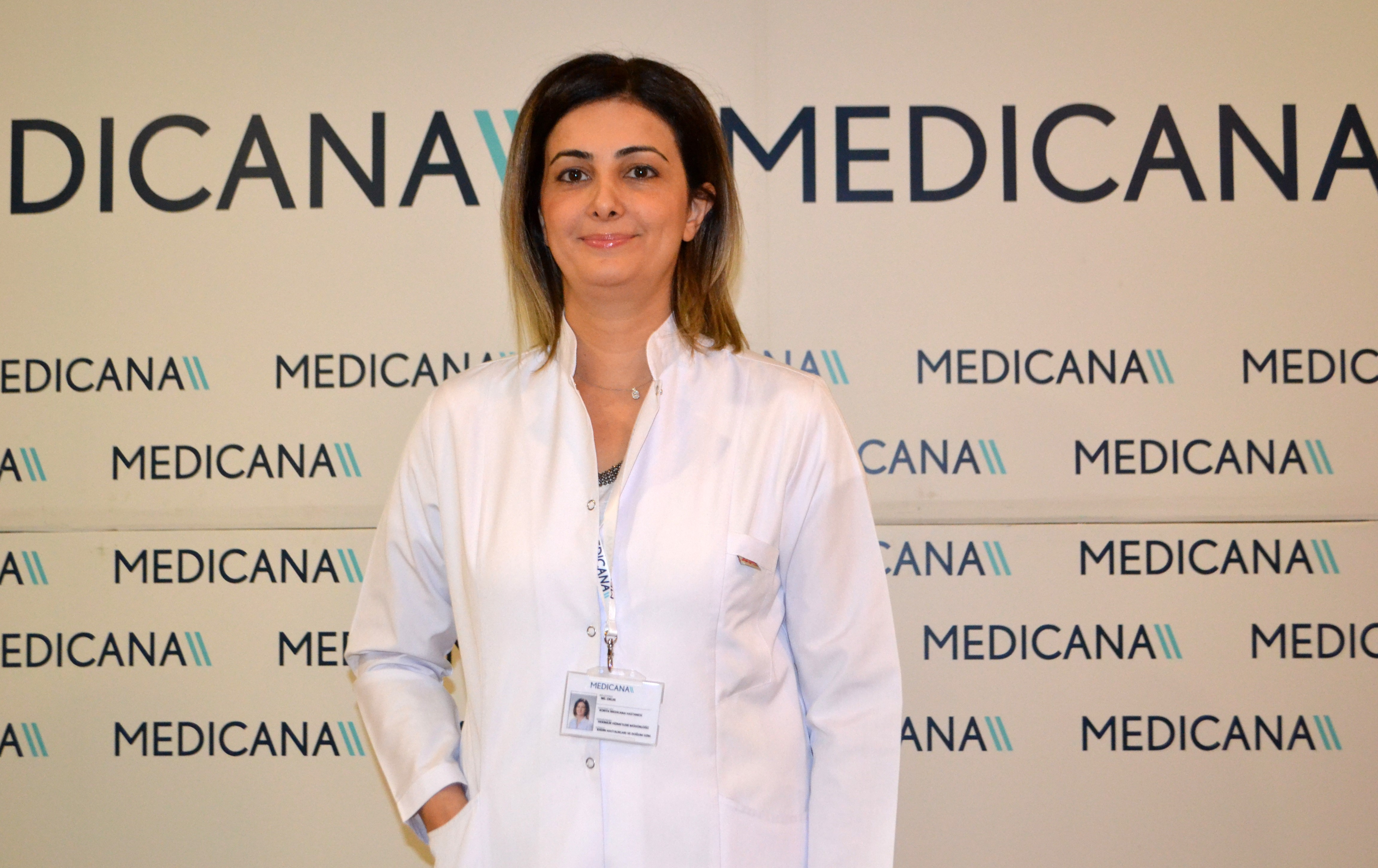
Recently, genital operations performed both in terms of health and aesthetics have become very preferred. Stating that it is possible to be mentally and physically healthy with small touches, Gynecology and Obstetrics Specialist Op. Dr. Nil Okur gave information about genital aesthetics.
Noting that women may face possible complications such as urinary incontinence or postpartum uterine prolapse in the future, even if they do not encounter a physically disturbing situation, and that most of the procedures called genital aesthetics are performed not only for visual reasons, but also as a result of a need in terms of general health and sexual health, Medicana Konya Hospital Gynecology and Obstetrics Specialist Op. Dr. Nil Okur emphasized the importance of choosing the appropriate treatment in genital aesthetics.
Genital aesthetics and treatment options
Stating that the negative differences in the genital areas of women can be congenital or can be seen over time, and that most women are uncomfortable in terms of health, Op. Dr. Nil Okur said, “Genital aesthetic applications are still changing and developing. Different treatment options are offered to the same patient. One or more procedures are applied in combination according to the age and expectations of the person. Appropriate treatment should be selected for the person in genital disorders.”
Stating that the most appropriate treatment should be applied to the patient, Op. Dr. Nil Okur listed the main genital aesthetic procedures as follows:
“There are congenital and developmental genital differences. These are vulvar polyps, labial asymmetry, nevi in the external genital area, traumatic genital differences. Perineoplasty - labiaplasty (inner lip aesthetics) can be performed on these patients. Perineum (external genital area) is improved by polyp removal, nevus removal, labiaplasty. Cystocele is the herniation of the bladder outward together with the anterior vaginal wall. These patients undergo vaginoplasty (vaginal tightening). In this operation, the herniated wall of the bladder adjacent to the thinning vagina is repaired. If there is also uterine prolapse, it is hung back in its natural place. The entire vaginal groove is narrowed as much as it should be naturally. Rectocele is the herniation of the rectum outwards together with the back wall of the vagina. Vaginoplasty is performed in these patients. Again, the neighborhood of the vaginally herniated rectum to the vagina is repaired. The herniated area is supported. Again, the entire vaginal groove is narrowed. Perineoplasty is performed if the external genital area heals poorly due to birth-related tears. All scar tissue in the perineum is removed and restored to its former and natural state. Uterine prolapse, or uterine prolapse, is a condition in which the uterus sags towards the external genital area. More often with advanced age, the uterus is completely visible from the outside in the genital area. If necessary, the uterus is completely removed and a corrective operation is performed. Urinary incontinence occurs when the bladder cannot be controlled. With vaginal or abdominal interventions, the bladder neck is restored to the angle it should be. Weakening and wrinkling may occur in the external genital area due to reasons such as aging, weight loss and smoking. Especially in the vulva, the loss of fat tissue in the outer lips is plumped with the person's own fat tissue or synthetic filling materials. Especially in the menopausal period, vaginal dryness, decreased sexual pleasure, and sensitivity to infections are common due to loss of estrogen in vaginal tissue. Healing interventions can be applied to the vagina and clitoris. PRP, G-shot, O-shot applications are applied to the patient vaginally. They are interventions to increase the blood flow and elasticity of the vagina.”
