Artificial intelligence-supported hygiene monitoring system will reduce the risk of hospital infections
An artificial intelligence-supported automation system has started to be tested at Giresun Training and Research Hospital to minimize the risk of hospital infections.
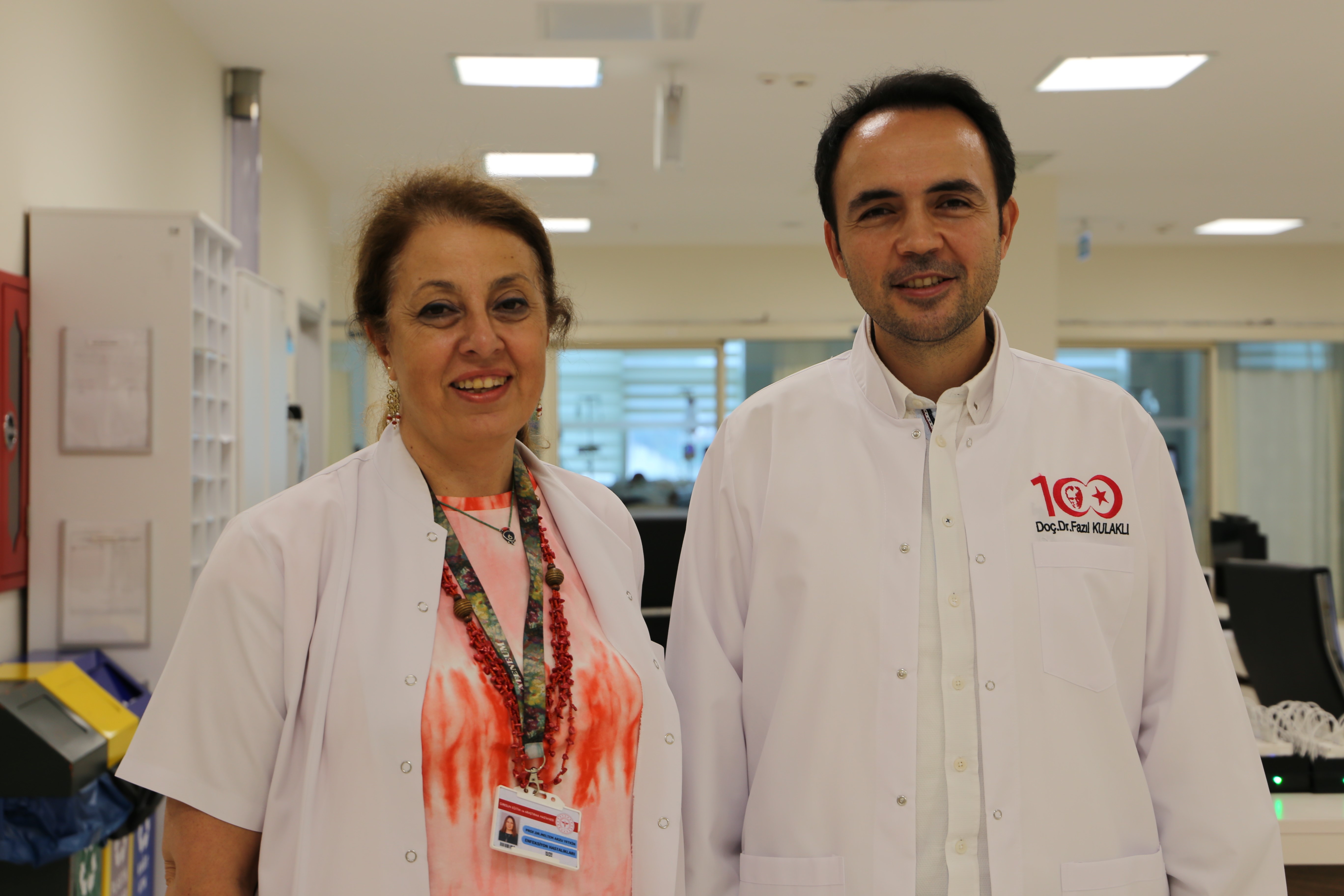
The training and promotion of the pilot application of the system, which aims to minimize the risks of infections, especially in intensive care units, which cause prolonged treatment periods or loss of life, was carried out with the participation of Giresun Provincial Health Director Assoc. Prof. Dr. Muhammet Bulut, Giresun Training and Research Hospital Chief Physician Assoc. Dr. Fazıl Kulaklı, Giresun University Infectious Diseases and Clinical Microbiology Department Head Prof. Dr. Meltem Arzu Yetkin and doctors, nurses and healthcare professionals working in the intensive care unit of the hospital.
According to the World Health Organization's report, the biggest cause of hospital infections is the lack of hand hygiene, while the artificial intelligence-supported automation system, which aims to eliminate the deficiencies in controls and inspections, aims to minimize risks, shorten treatment times and prevent financial losses.
“We monitor hand hygiene with sensors”
Batu Ergör, a young entrepreneur who is the patent holder of the system developed by Turkish software developers and engineers, stated that while hand washing and hygiene monitoring and reporting are done manually in hospitals, with the artificial intelligence-supported automation system they have developed, all these processes are more organized, and in the light of the detailed reports produced, possible problems can be quickly identified and solutions can be produced.
Providing information about the operation of the system, Ergör said, “With the hand hygiene tracking system we have developed, we fully digitalize and automate the full compliance of healthcare professionals with hand hygiene procedures and their detailed reporting. Thanks to the smart sensors we place in hand washing areas in intensive care units, antiseptic dispensers, patient bedheads and smart badges allocated individually for healthcare personnel, we carry out hand hygiene monitoring according to predefined data. The system ensures that the relevant healthcare personnel are warned and guided with light, vibration and audible warnings on their badges when they enter and exit the defined areas. In addition, it provides comprehensive reporting data by recording the entry and exit activities of healthcare personnel into and out of the defined areas, the duration of their stay in these areas, the moments of hand washing and dispensary use, and the correct hand washing times and dosing values at these moments. In this way, while hand hygiene compliance rates reach the highest possible level, it also enables the infection control units of hospitals to report to the Ministry of Health in the most accurate, fast and reliable way.”
“More than 50 percent of deaths from nosocomial infections are preventable”
Ergör stated that more than 50 percent of the prolonged treatment periods and related deaths due to nosocomial infections, which hundreds of thousands of patients are exposed to every year in the world, can be prevented and said, “Thanks to the increase in hand hygiene compliance rates, while preventing infection-related loss of life, billions of dollars can be saved in the health system. In addition, the capacities of intensive care units in hospitals can be used more efficiently.”
Giresun Training and Research Hospital Infection Committee Head Prof. Dr. Meltem Arzu Yetkin also said about the established system: “While treating many diseases in the health system, on the other hand, some of the procedures performed have some risks for inpatients. With some of the tools and materials we use, infection risks arise due to the hand hygiene of healthcare workers. The easiest way to combat nosocomial infection is to pay attention to hand hygiene. We, as the infection control team, pay close attention to this. Before entering the patient, before applying a procedure to the patient and after leaving the patient's side, they should be cleaned with liquid soap and alcohol-based hand sanitizers. Of course, all this also needs to be supervised. In terms of supervision, we may experience difficulties from time to time during night shifts and busy times. With this system, we aim to produce solutions in this regard. In the simplest terms, the system reminds each employee to clean their hands with a special card when entering and leaving the patient's side. At the moment, the system has been installed for testing purposes, and according to the information we have obtained, we think it is a nice and useful system.”
Noting that they will evaluate the use of the system in all intensive care units if they achieve the results they expect after the pilot application, Giresun Training and Research Hospital Chief Physician Assoc. Prof. Dr. Fazıl Kulaklı said, “It is a very important system established with artificial intelligence. It is a domestic system and the patent belongs to a Turkish person. The aim here is to inform all our employees and physicians about hand hygiene, which is the most important infection prevention method in intensive care, and to remind them to perform hand hygiene again by giving them warnings in this regard. We think it is very useful and convenient to do this with a technological system. We have started tests in a 12-bed intensive care unit and we will evaluate our data from the pilot application. If this data reduces our infection rates as we anticipate, we will evaluate the issue to use it in our other intensive care units.”
İHA Haber Kodu: 20240803AW260262