Attention To Psoriasis and Psoriatic Rheumatism
Psoriasis, which is defined as discovering red, raised and covered with psoriasis white crusts on the skin, which is seen in 1-3 percent of the society, can trigger different diseases, although it is not contagious.
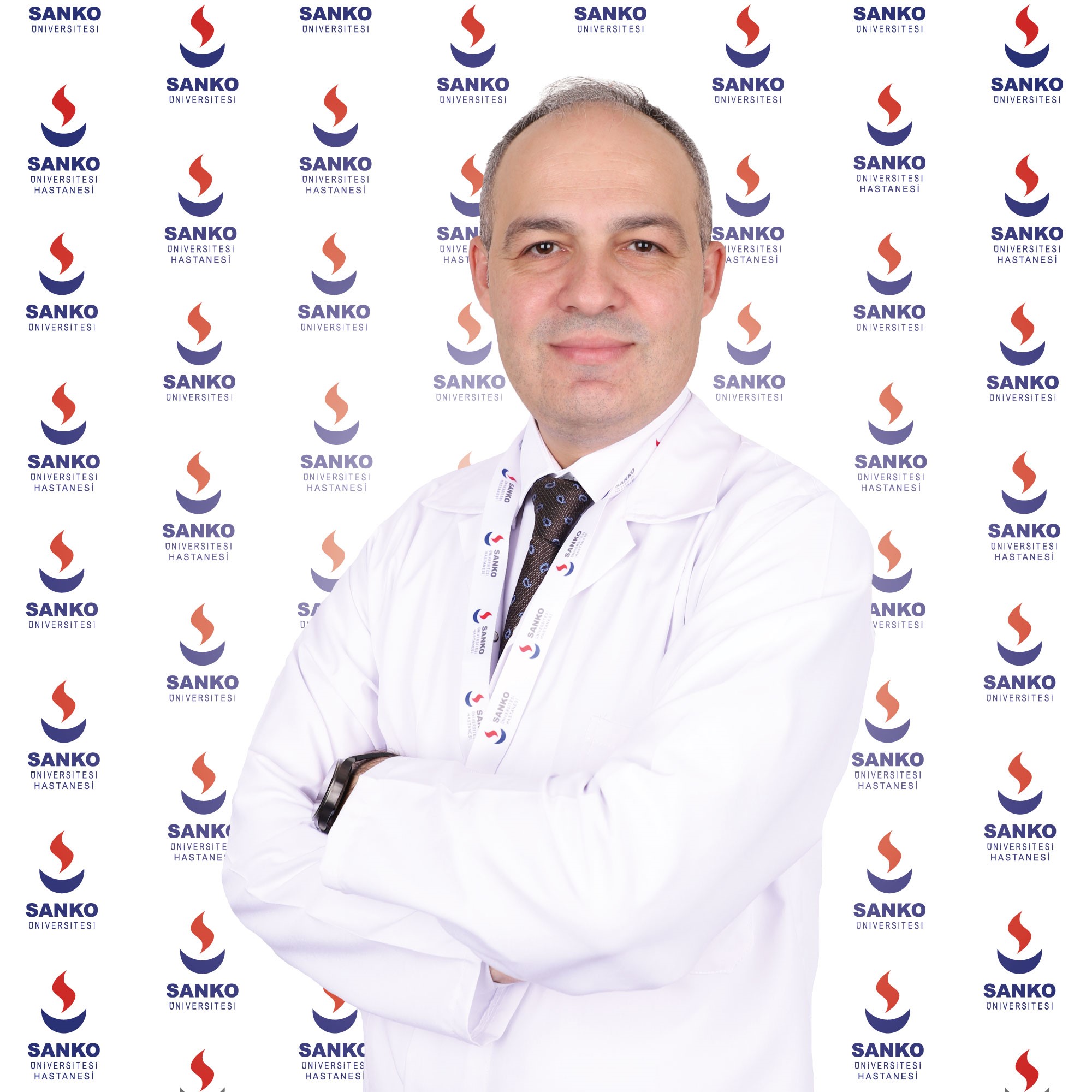
SANKO University Faculty of Medicine, Department of Internal Medicine, Department of Rheumatology, Prof. Dr. Bünyamin Kısacık and Head of the Department of Skin and Venereal Diseases, Assoc. Dr. Fatma Elif Yıldırım evaluated psoriasis and psoriatic rheumatism.
Prof. Dr. Kısacık stated that psoriasis is a very difficult skin disease and can affect every part of the body, “However, the different side of this disease for us is that psoriasis can cause rheumatism. Psoriasis patients may develop psoriasis rheumatism after an average of 5-7 years.”
Pointing out that while most patients develop psoriasis first and then rheumatism, some may develop rheumatism and then psoriasis or both conditions simultaneously, Prof. Dr. Kısacık said:
“This disease does not cause rheumatism in everyone. However, studies conducted in different geographies have shown that approximately 20 percent of psoriasis patients can develop psoriasis rheumatism. Psoriasis patients who are prone to psoriasis rheumatism are especially patients with psoriasis on the scalp and people with psoriasis diagnoses in their nails.”
Diagnosis and treatment
Explaining that if psoriasis and rheumatism are present, these patients are diagnosed with psoriasis rheumatism, Prof. Dr. Kısacık said, “In some people, rheumatism occurs first and then psoriasis. The experience of the rheumatologist is important in this diagnosis. The diagnosis is made according to the appropriate joint involvement patterns.”
Emphasizing that the treatment of psoriasis rheumatism is a team work, Prof. Dr. Kısacık continued as follows:
“While psoriasis is dominant in some patients, rheumatism is more dominant in some patients. Therefore, the cooperation of dermatology and rheumatology is of great importance. Patients are often evaluated together and treatment is decided jointly. The path recommended by international guidelines in treatment can be listed as follows:
'Informing patients about the disease and its course', 'Control of other diseases accompanying psoriasis', 'Weight control and exercise', 'Drug treatment planned according to the site of involvement of psoriatic rheumatism'. Since the beginning of the 2000s, there have been very important changes in drug treatments. We started to use very effective drug therapies that we call biological therapy. Different treatment alternatives can treat both psoriasis and psoriatic rheumatism very effectively and quickly. We will continue to approach all the problems of psoriasis and psoriatic rheumatism patients as a team and continue our efforts to provide the most accurate treatment.”
Psoriasis can occur in any age group
SANKO University Faculty of Medicine, Department of Skin and Venereal Diseases Head Assoc. Prof. Dr. Fatma Elif Yıldırım emphasized that psoriasis can occur in any age group, although it is less common in childhood.
Pointing out that the exact cause of the disease is not yet known, but both genetic and environmental factors play a role in its emergence, Assoc. Prof. Dr. Yıldırım continued her words as follows:
“Psoriasis can significantly impair the quality of life of patients due to its visible lesions. Studies have shown that psoriasis can lead to diabetes (diabetes), blood pressure and heart disease. Skin lesions, especially in areas of functional importance such as the hands, feet, scalp and genital area, can further impair the quality of life of patients. Lesions in visible areas may be assumed to be contagious and patients may be stigmatized by society. This may affect psoriasis patients, who already have a more sensitive personality structure, more psychologically. In other words, psoriasis causes stress, and stress triggers psoriasis, creating a bidirectional interaction between psychological diseases and psoriasis.”
It's not just about the skin
Underlining that the identification of many diseases that can accompany psoriasis today actually supports the view that psoriasis is a systemic disease that is not limited to the skin, Assoc. Prof. Dr. Yıldırım noted the following:
“Unfortunately, the risk of developing systemic diseases such as cardiovascular diseases, heart attack and diabetes is higher in patients with psoriasis, which is a common skin disease. Psoriasis can rarely be life-threatening with 'Erythrodermic' and 'Pustular' forms. The symptoms of psoriasis, for which there is no definitive cure, can be controlled with appropriate methods and long-term well-being can be achieved.
When planning the treatment of psoriasis, it increases the success of the treatment if different specialties decide on the treatment together as well as the dermatologist. Especially the joint involvement that can be observed in psoriasis patients, which is also called psoriatic rheumatism (psoriatic arthritis), makes the cooperation of dermatologists and rheumatologists extremely important in treatment.”
Is psoriasis cured?
Stating that the most curious question that psoriasis patients ask their physicians is the question “Will my psoriasis get better?”, Assoc. Prof. Dr. Yıldırım stated that there is no definite answer to this question.
“Among the answers that we can definitely call wrong are the evaluations that 'it continues throughout life' and 'it heals 100 percent with the treatment I give', Assoc. Dr. Yıldırım stated that the course of the disease varies from patient to patient.
Assoc. Prof. Dr. Yıldırım warned, “In some patients, psoriasis may disappear completely, while in some patients, it may progress with periods of intermittent exacerbation and intermittent recovery.”
How to treat psoriasis
Stating that it is extremely important to determine the severity of the disease and the effect of psoriasis on the patient's quality of life when deciding on psoriasis treatment, Assoc. Prof. Dr. Yıldırım made the following assessment:
“Generally, cream treatments are applied if there are lesions on less than 10 percent of the body. However, if the patient has lesions in the hands, feet, genital areas that affect the quality of life of the patient or if no improvement is achieved with cream treatments, drugs and injections that we call systemic treatment can be used in the treatment in addition to cream treatment. Recently, psoriasis can be treated more effectively with fewer side effects with the drugs we call biological treatment developed in the early 2000s. Of course, when making the treatment plan, the treatment plan is determined differently for each patient. Again, as I mentioned before, it is extremely important to evaluate the joint involvement together with the rheumatologist while planning the treatment.”
Issues that psoriasis patients should pay attention to
Assoc. Prof. Dr. Yıldırım said that it is very important for psoriasis patients to pay attention to their nutrition because they are more prone to blood pressure, heart diseases and diabetes.
Pointing out that although there is not a food that patients should definitely not eat, it is very important to eat a healthy diet, Assoc. Dr. Yıldırım listed his warnings as follows:
“They should avoid excessive weight gain. As weight gain can exacerbate psoriasis, psoriasis patients are more prone to weight gain. For this reason, patients should avoid fast food and carbohydrate-based nutrition. Alcohol and smoking exacerbate psoriasis. Since some medications can exacerbate psoriasis, the use of medication should be extremely careful. Drugs thought to trigger psoriasis include systemic cortisone, lithium, some blood pressure medications, drugs used in the treatment of fungus and aspirin. Some infections such as beta hemolytic streptococcal infections can exacerbate or trigger the disease. Therefore, attention should be paid to general hygiene rules such as hand washing.”