Beware of those who do not pay attention to personal health: It is an invitation to this disease
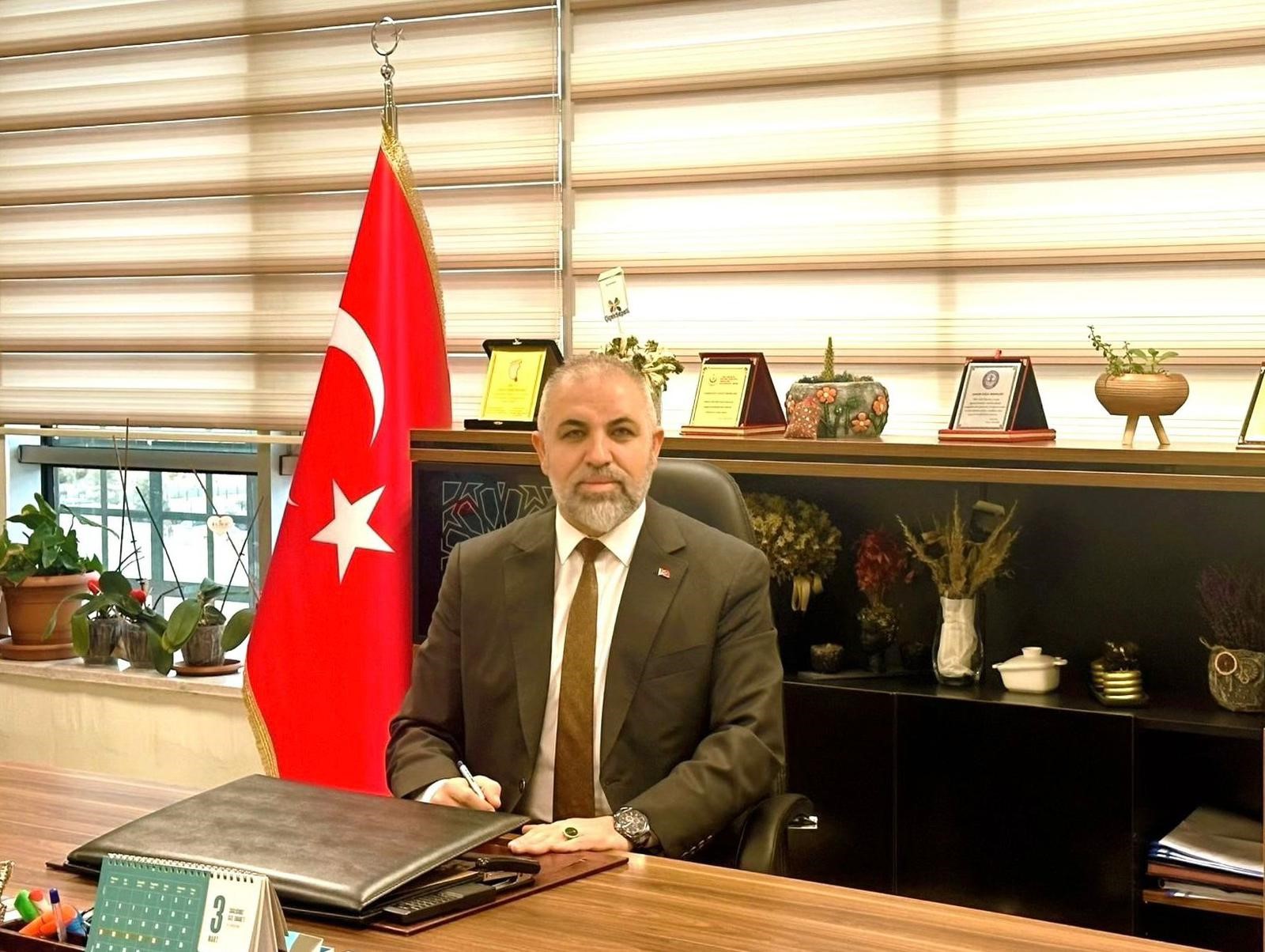
Çankırı Provincial Health Director Dr. Hüseyin Sarıkaya, who gave information about acute intestinal diseases, said, “Those who do not pay attention to their personal health are in the risky group.”
Çankırı Provincial Health Director Dr. Hüseyin Sarıkaya made statements about acute intestinal infections. Stating that those who do not pay attention to personal health are in the risky group for acute intestinal infections, Provincial Health Director Dr. Hüseyin Sarıkaya said that individuals who do not have the habit of washing hands, do not wash food well before consuming it and eat it without cooking it sufficiently, and do not consume safe drinking water will be affected. Noting that acute intestinal infections have symptoms such as nausea, vomiting, abdominal pain and fever, Dr. Sarıkaya said that diarrhea diet should be applied with fat-free and pulp-free foods and plenty of fluid intake should be provided.
“Infections usually occur when a virus or bacteria, more rarely a parasite, is taken into the body”
Pointing out the importance of food hygiene, Dr. Sarıkaya said, “Acute intestinal infections are inflammation of the stomach and intestines. In this disease, diarrhea is the main symptom and may be accompanied by nausea, vomiting, fever and abdominal pain. Acute intestinal infections are usually caused by the ingestion of a virus or bacteria, more rarely a parasite. The disease is caused by eating food contaminated with feces containing the causative agent, drinking water or other beverages, and bringing dirty hands that have been in contact with the causative agent to the mouth. In a region where there is no access to safe drinking and potable water, drinking water, cooking, using these waters for cleaning purposes increases the incidence of diarrheal diseases.”
“Diarrhea diet should be applied and the patient should be provided with plenty of oral fluids”
Pointing out that it is important to consume plenty of fluids, Dr. Sarıkaya said, “Nausea, vomiting, abdominal pain and fever develop frequently. Dehydration may develop due to diarrhea, vomiting and high fever. Sometimes gas accumulation in the intestine, headache and weakness are also seen. Dehydration is the loss of large amounts of water and fluid from the body. Dehydration is more common in infants and young children. In this age group, excessive fluid loss from the body can occur within a few hours. The symptom of mild dehydration is that the patient is thirsty. As the loss of water from the body increases, in addition to thirst, there may be dry lips and mouth, tendency to sleep, decreased or absent tears, collapsed eyeballs, accelerated pulse, cold hands and feet, deep or rapid breathing, and decreased urine volume. In severe dehydration, in addition to these, absent-mindedness, drop in blood pressure, no urination and shock may be observed. Diarrhea diet with lean and pulp-free foods should be applied until diarrhea improves and the patient should be provided to take plenty of fluids by mouth.”
İHA Haber Kodu: 20240828AW275959