Bone marrow transplantation is of great importance in the treatment of leukemia, also defined as blood cancer.
Stating that about half of the patients with Acute Lymphoblastic Leukemia (ALL), which is more common in childhood, are children under the age of 18, Dr. Faculty Member Toluy Özgümüş said that allogeneic bone marrow transplantation, which is performed by taking cells from a donor or donor, is the only life-saving treatment for most patients. Emphasizing the importance of being a bone marrow donor, Özgümüş said that bone marrow transplantation may be required at a rate of 20 to 30 percent in childhood.
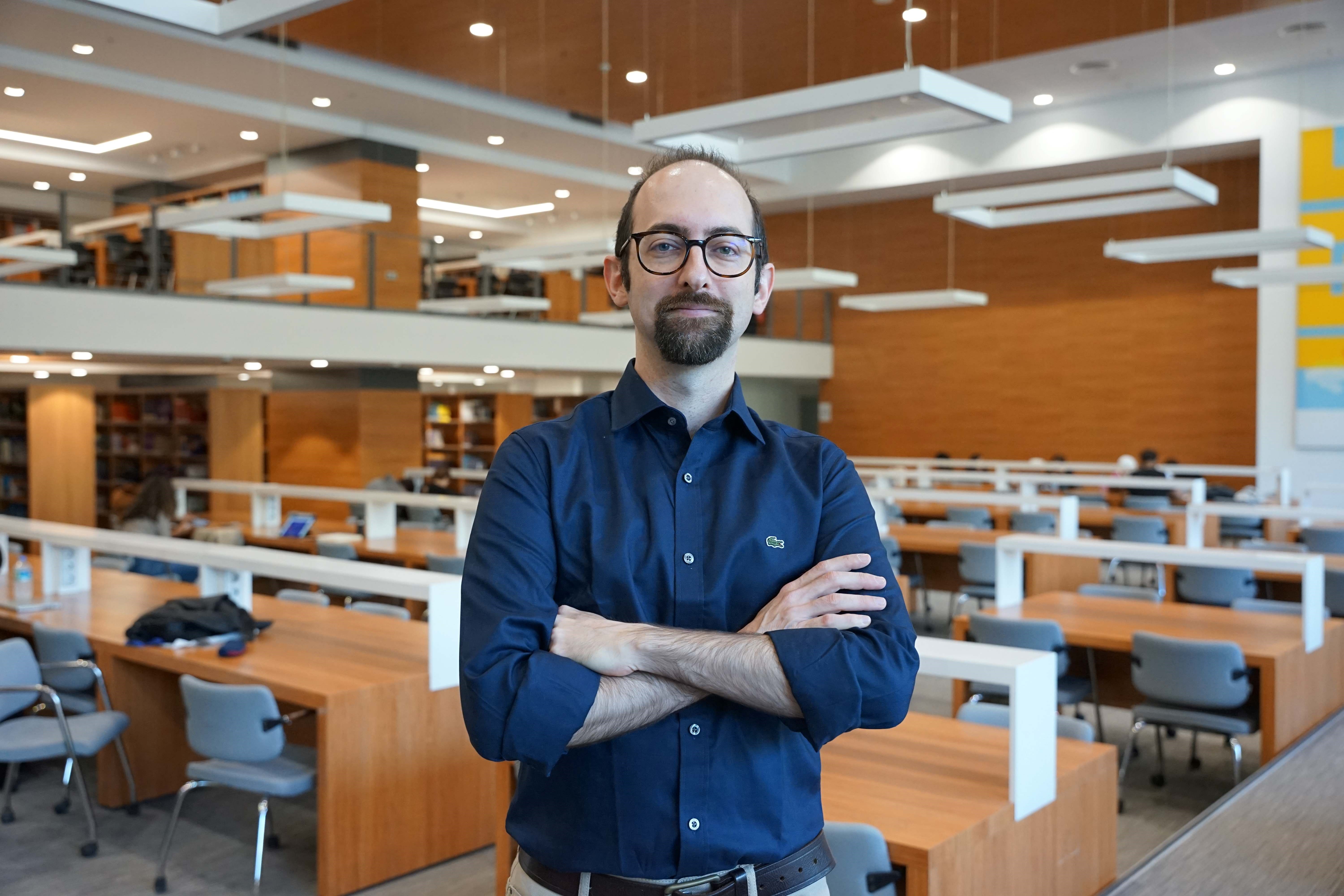
Dr. Faculty Member Toluy Özgümüş from Istanbul Atlas University Faculty of Medicine, Department of Internal Medicine, made a statement on leukemia on the occasion of November 2-8 Children with Leukemia Week.
Leukemia can be defined as blood cancer
Stating that what is medically meant by leukemia among the public is usually acute leukemia, Özgümüş said, “Leukemia can be defined as blood cancer in the simplest definition. Leukemia occurs as a result of the cessation of normal blood production in the bone marrow, the organ that produces blood, and excessive production of cancerous cells.”
Pay attention to these symptoms in leukemia
Stating that the most important findings in acute leukemia are infections and bleeding, Özgümüş listed the symptoms as follows:
Fever and Frequent Infections: The immune system is weakened in leukemia patients, so frequent fever and infections that do not heal and recur frequently are the most common symptoms of the disease.
Bleeding Tendency: Bleeding symptoms such as nosebleeds, bleeding gums and easy bruising of the skin are common.
Fatigue and Weakness: A feeling of constant fatigue can lead to generalized weakness.
Weight Loss: Weight loss may occur for no apparent reason. If this weight loss is more than 10 percent of body weight, it may be a sign of a serious disease such as leukemia.
Bone and Joint Pain: Pain may be observed especially in long bones and joints.
Swollen Lymph Glands: Swollen lymph nodes in the neck, armpits or groin can be observed in Acute Lymphoblastic Leukemia (ALL), a type of leukemia that is more common in children.
Stating that no symptom is specific for leukemia, Özgümüş said, “Especially in children, these symptoms can be seen without a serious illness. It is important to stay calm and consult a health professional for a definitive diagnosis.”
What are the causes of leukemia
Stating that the exact causes of leukemia are not fully known, Prof. Dr. Toluy Özgümüş noted that some factors are known to increase the risk of developing leukemia and listed them as genetic factors, environmental factors and the immune system.
Genetic Factors: Although familial transmission is a very rare finding in acute leukemia, a family history of cancer may increase the risk of developing the disease. In addition, genetic disorders such as Down Syndrome increase the risk of developing acute leukemia.
Environmental Factors: Radiation exposure, certain chemicals (e.g. benzene) and toxic substances may pose a risk.
Immune System: The risk of developing leukemia increases in people with weakened immune systems due to hereditary or acquired causes.
ALL is seen in childhood
Özgümüş also gave information about the age of onset of leukemia, stating that there are two types of acute leukemias: “Acute Lymphoblastic Leukemia (ALL) is more common in childhood. Approximately half of ALL patients are children under the age of 18. The incidence of Acute Myeloid Leukemia (AML), the other type of acute leukemia, increases with age, with the most common age group being over 65. However, the most common leukemias in adults over the age of 50 are chronic leukemias.”
Risk factors should be avoided
Noting that leukemia is not a completely preventable disease, but it is possible to reduce the risk by reducing some risk factors, Özgümüş said, “Balanced nutrition, regular exercise and sleep, avoiding smoking and excessive alcohol consumption, protection from radiation and chemicals can reduce the risk of leukemia. In addition, individuals with hereditary diseases known to increase the risk of leukemia in the family will minimize the risk of leukemia by receiving genetic counseling before having children.”
Daily cooked foods should be consumed
Özgümüş also pointed out that nutrition and hygiene issues should be considered during the leukemia treatment process, and emphasized the importance of following the doctor's instructions and not neglecting regular check-ups in leukemia treatment, as in many treatments. Stating that especially nutrition and hygiene are of vital importance in leukemia treatment, Özgümüş said:
“Failure to follow these rules can lead to the development of life-threatening infections. A balanced diet containing sufficient protein, vitamins and minerals is important for nutrition. However, it is vital to follow the so-called neutropenic diet. All food should be clean, fresh and well cooked. Raw foods, including fruit and vegetables, should be avoided. Some raw foods can only be eaten if certain special rules are followed (such as peeling fruits with thick skin). It is recommended to eat only foods cooked at home or cooked in hospital following the rules for neutropenia. In the selection of foodstuffs, preference should be given not to natural but to germ-free foods, i.e. packaged, pasteurized products for dairy products. All foods to be consumed by leukemia patients should be cooked daily or the package should be opened daily, and no food product should be consumed even if it is stored in the refrigerator. For this reason, small packages and small portions of food should be preferred.
Attention should be paid to personal hygiene
Personal hygiene and environmental hygiene are also of vital importance for leukemia patients. It is very important to pay close attention to hand hygiene, oral hygiene, take a shower at least every other day, avoid crowded environments, and ensure that the patient's environment is free of dirt, dust and mold. Apart from these, light exercise without straining the body and psychological support to keep the morale high are also important parts of leukemia treatment.”
A healthy lifestyle should be adopted against the risk of relapse
Noting that leukemia can recur after treatment, Özgümüş said, “This is defined as disease recurrence. The risk of relapse depends on factors such as the type of disease, the treatment process and the general health status of the individual. In order to minimize this risk, it is recommended to continue regular medical check-ups, follow the recommendations and adopt a healthy lifestyle in general (pay attention to nutrition, exercise, sleep).”
Being a bone marrow donor is important
Stating that allogeneic bone marrow transplantation is the only life-saving treatment for most leukemia patients in the presence of high-risk conditions, Özgümüş emphasized the importance of being a bone marrow donor and concluded his words as follows: “Bone marrow transplantation may be required at rates between 20 percent and 30 percent in childhood. This rate is much higher in adult patients. This procedure involves replacing the patient's diseased bone marrow with the bone marrow of a healthy donor. The donor can be a family member or a compatible donor. When a matching donor cannot be found, this life-saving procedure is not possible. For most patients, there is no alternative treatment that can replace this treatment. In our country, it is now possible to become a bone marrow donor through the Red Crescent. Alternatively, there are bone marrow banks at Istanbul University and Ankara University. Being a bone marrow donor does not cause any harm to the health of young healthy individuals, and the bone marrow cells taken are completely renewed by the body between 1 week and 1 month.”
İHA Haber Kodu: 20241101AW320455