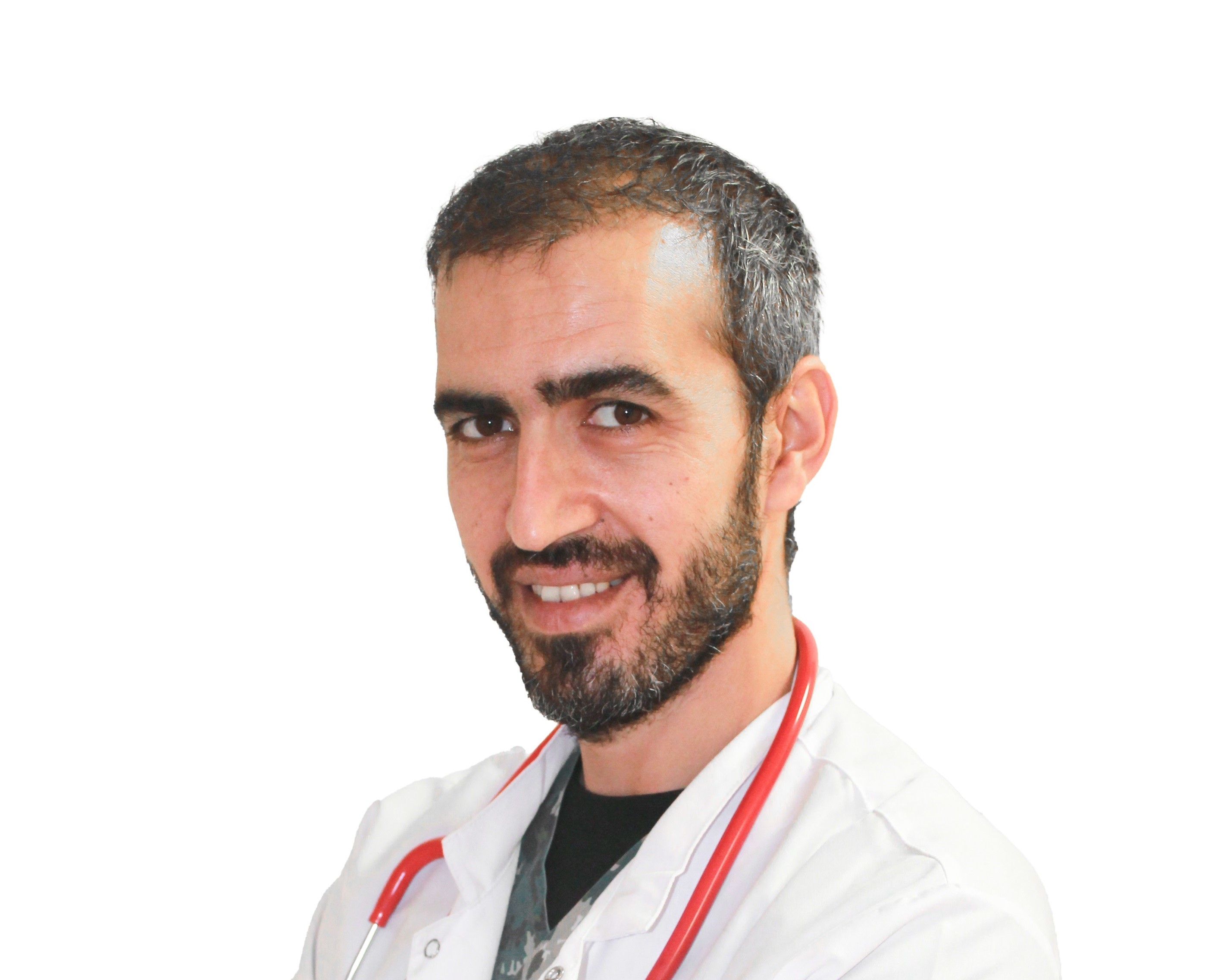
Pointing out that most newborn babies have jaundice, Pediatric Health and Diseases Specialist Dr. Lecturer. Prof. Dr. Şahin Kalkan said, “Although jaundice is largely physiological, neurological disorders (sequelae) can develop in cases where follow-up and treatment are delayed. The most feared is the disease we call kernicterus, in which certain parts of the brain are affected. As a result of the accumulation of jaundice above the treatment limit in certain parts of the brain, irreversible hearing problems, movement disorders, mental retardation, muscle contractions, seizures and unfortunately death may result.”
IAU VM Medical Park Florya Hospital Pediatrics Specialist Dr. Lecturer. Prof. Dr. Şahin Kalkan gave information about jaundice in babies. Making the definition of jaundice, Dr. Lecturer. Prof. Dr. Kalkan said, “The term jaundice, in the simplest terms, refers to the yellow color of the skin and eye whites as a result of the accumulation of bilirubin in the skin and mucous membranes.”
“Pathologic jaundice should be treated”
Underlining that jaundice is seen when the value called total serum bilirubin (TSB) exceeds 5 mg/dL, Dr. Lecturer. Prof. Dr. Kalkan said, “Jaundice is divided into two as physiological (normal) jaundice and pathological jaundice. Since the total bilirubin level increases in almost all newborns in the first week of life and 2 out of 3 of them have clinical jaundice, this temporary bilirubin elevation is called physiological jaundice. The values are evaluated on the basis of certain charts called nomograms. These charts are based on certain criteria such as how many weeks the baby was born, whether there are any discrepancies, how many hours or days have passed since birth. The jaundice that needs to be treated, which we call pathological jaundice, is expressed for conditions that are above the limit in these charts.”
Speaking about the incidence of jaundice in infants, Dr. Lecturer. Prof. Dr. Kalkan said, “Jaundice appears clinically in the first week of life in approximately 60 percent of term (normal time) newborns and approximately 80 percent of preterm newborns (premature).”
“Difficult waking up is among the symptoms”
Explaining the symptoms that can be seen in jaundice, Dr. Lecturer. Prof. Dr. Kalkan said, “It can vary from just yellowing of the white of the eye to symptoms that can be life-threatening in the absence of a doctor's referral. Symptoms include yellowing of the skin or the whites of the eyes, feeding difficulties, weakness, dark urine, and difficulties in waking up.”
“If left untreated, the brain can be affected”
Pointing out that untreated jaundice can result in death, Dr. Lecturer. Prof. Dr. Kalkan said, “Although jaundice is largely physiological, neurological disorders (sequelae) can develop in cases where follow-up and treatment are delayed. The most feared is the disease we call kernicterus, in which certain parts of the brain are affected. As a result of the accumulation of jaundice above the treatment limit in certain parts of the brain, irreversible hearing problems, movement disorders, mental retardation, muscle contractions, seizures and unfortunately death may result.”
“Nutrition problems can be seen”
Referring to how jaundice affects the baby, Dr. Lecturer. Prof. Dr. Kalkan said, “Although it varies, the most common symptoms are fatigue, feeding difficulties and difficulty in waking up. In advanced jaundice, serious neurological sequelae can be seen. These include irreversible hearing problems, mental retardation, muscle contraction and seizures.”
“Nutrition is very important”
Emphasizing the conditions that are good for jaundice in babies, Dr. Lecturer. Prof. Dr. Kalkan shared the following information:
“Nutrition is very important. It is necessary to make sure that the baby is adequately fed. At this point, our priority is breast milk. The baby should get enough breast milk. We do not have a clear limit on breastfeeding. It should be given whenever the baby asks for it. It is important to pay attention to the baby's signs. In cases where breast milk is insufficient or not available, the baby should be fed formula. Formula feeding should be decided by the physician and the mother together. If breast milk is not available at all, the family (mother, father, other members of the family) should be encouraged to breastfeed and efforts should be made under the leadership of pediatricians and lactation consultants. We know that the absence of breast milk is very rare in the world. While these efforts continue, formula should be used up to 8-12 times a day, as decided by the pediatrician, taking into account the baby's health status, weight and jaundice. Apart from this, practices such as scratching on the ear, giving blue light at home, exposing to the sun, giving water are wrong and non-therapeutic practices.”
“Light therapy can be applied”
Expressing the treatment methods, Dr. Lecturer. Prof. Dr. Kalkan said, “The most commonly used application according to the level of jaundice is the blue light treatment given at certain frequency ranges, which we call phototherapy. However, if there are other underlying health problems, their treatment is also required. If there is advanced jaundice, a blood product called IVIG can be given, and sometimes blood exchange may have to be done.”
