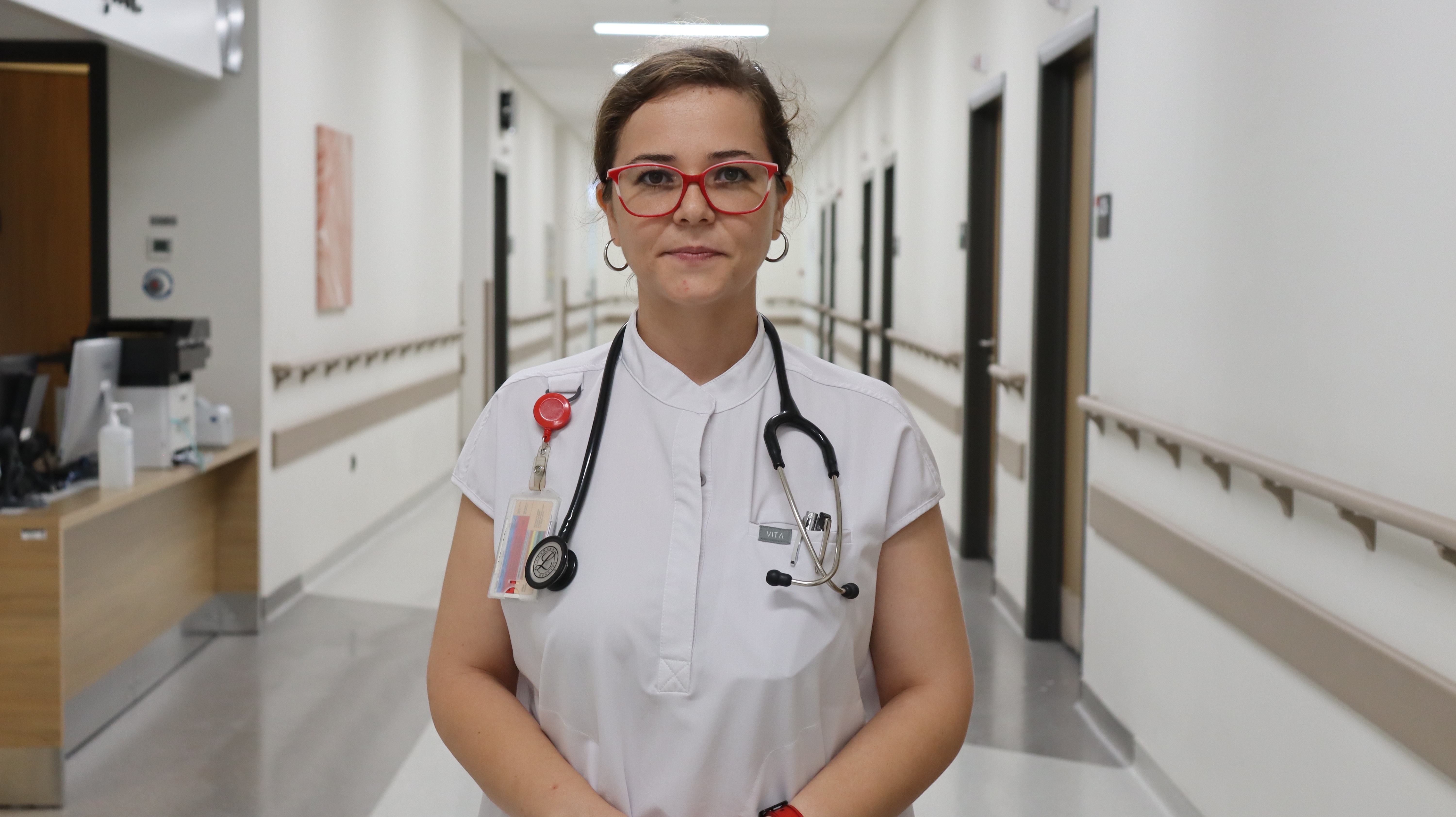
Stating that citizens do not have enough awareness about sepsis, Dr. Müzeyyen Tuğçe Benli, Infectious Diseases Specialist at Bursa City Hospital, drew attention to the increase in mortality rates due to sepsis.
Making statements within the scope of World Sepsis Day, Uzm. Dr. Müzeyyen Tuğçe Benli stated that sepsis is a fatal disease characterized by dysfunction in organs as a result of the body's exaggerated response to a serious infection. Underlining that not every infection should be perceived as sepsis, Uzm. Dr. Benli said, “In addition to fever, chills and shivering, symptoms such as confusion, respiratory distress, increased heart rate, decreased urine output suggest sepsis and patients should quickly apply to the nearest health center.”
According to the World Health Organization data, one person dies every 2-3 seconds due to sepsis. Dr. Benli said, “Sepsis constitutes a group of diseases where mortality rates can reach up to 80 percent. Rapid application to hospitals, rapid diagnosis and initiation of treatment can reduce these mortality rates up to 20 percent. After the examinations and cultures to be taken in the first place, the mortality rates are significantly reduced with the rapid initiation of fluid displacement and the initiation of broad-spectrum antibiotics.”
Emphasizing that although sepsis affects people of all age groups, it carries a more serious risk for citizens under the age of one and over the age of 50, Uzm. Dr. Benli said, “The accompaniment of additional diseases over the age of 50 increases the risk. Over the age of 50, it is much more common especially in people with diabetes, those who drink alcohol, and those with immunosuppressed diseases such as HIV.”
Pay attention to hygiene
Referring to the points to be considered in order to prevent sepsis, Benli said, “The most important way to prevent sepsis is vaccination and compliance with basic hygiene rules. The importance of rational drug use in antibiotic choices should be emphasized here once again. Broad-spectrum antibiotics should be used at the right points with the right indication. Rational antibiotic use should also be emphasized while managing sepsis.”
Hospital should be applied to quickly
Stating that raising awareness of citizens about sepsis is of great importance, Benli continued his words as follows:
“Studies have revealed that our people do not have enough awareness about sepsis. Sepsis is a disease of unknown seriousness among the public. Hospital admissions are delayed. It can be seen that there is no rapid application to the hospital for a disease that they are not aware of its seriousness, and that the course of the disease progresses in a bad direction due to the delay in the hospitalization of patients. While our patients quickly apply to the hospital in cases of heart attack or stroke, not knowing the seriousness of sepsis delays hospital admissions, which is associated with high mortality rates.”
