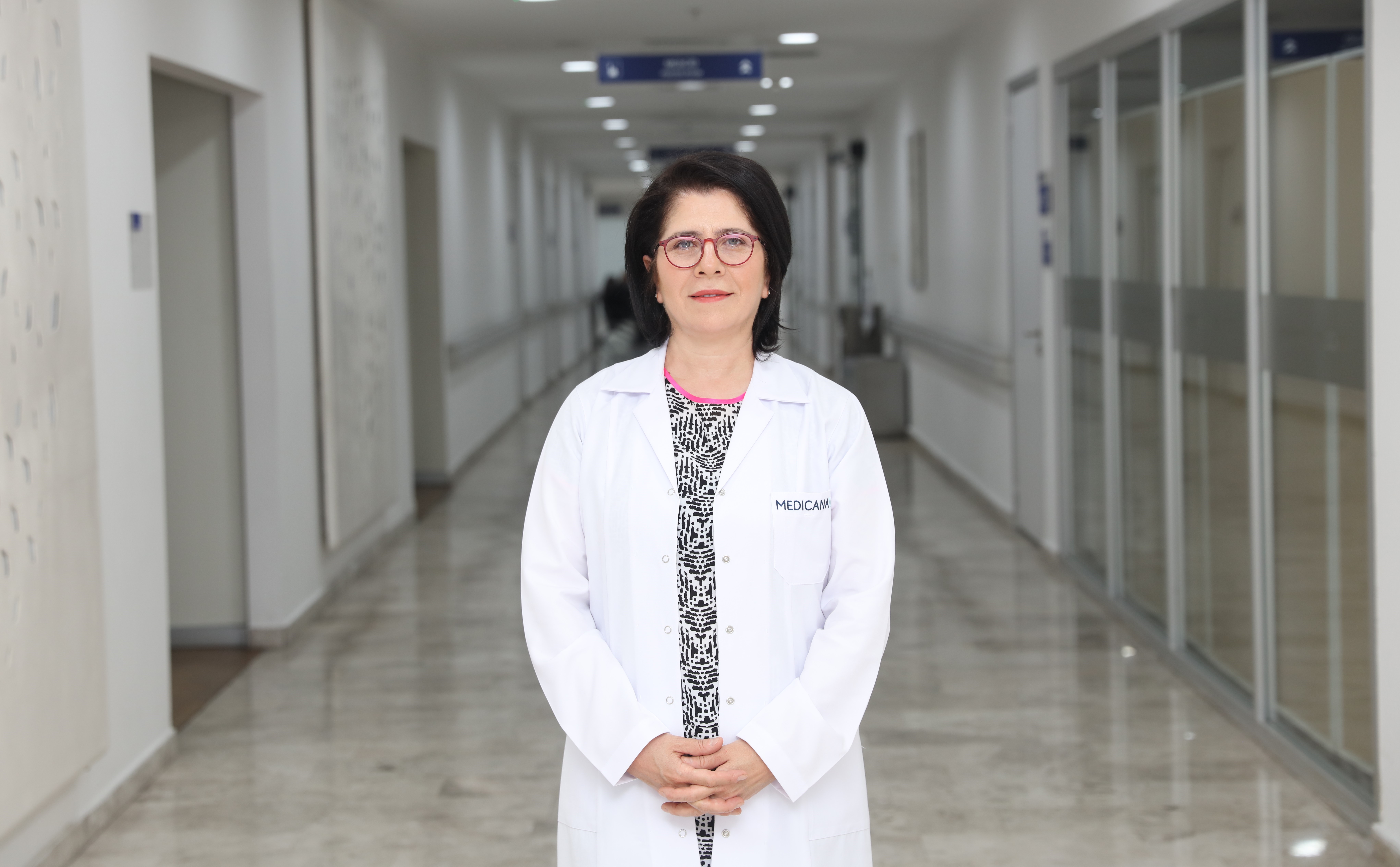
While skin health may deteriorate due to temperature differences, decreased humidity and changes in the effect of sunlight during seasonal transitions, sudden weather changes can cause various problems on the skin. Emphasizing that it is important to protect skin health during seasonal transitions, Prof. Dr. Nursel Dilek from Medicana Health Group Dermatology Department touched on the points that negatively affect skin health during seasonal transitions.
Skin flaking, discoloration and moisture loss can occur during seasonal transitions. Weather change can cause the skin's protective barrier to weaken and the skin to lose moisture. Stating that precautions should be taken to prevent dry skin and similar problems, Medicana Konya Hospital Dermatology Specialist Prof. Dr. Nursel Dilek said that protecting skin health during seasonal transitions can also prevent other skin diseases such as psoriasis and eczema.
“Dryness on the skin can cause uncomfortable itching”
Underlining that the temperature changes experienced during seasonal transitions and the decrease in humidity in the air cause dry skin and that the moisture needed by the skin should be maintained, Prof. Dr. Nursel Dilek said, “The decrease in humidity in the air during seasonal transitions can cause dryness in the body. For this reason, the moisture needed by the skin should be maintained with the help of moisturizers, using products that will be recommended by a physician suitable for the skin type. The amount of water consumed during the day is very important. As the weather gets colder, water consumption decreases in many people. In addition to using moisturizers to increase the moisture content of the skin, it is also very important to drink plenty of water. Consuming different liquid foods such as coffee, tea and acidic drinks cannot meet the water needs of the skin and causes dehydration.”
Stating that cold weather reduces the quality of the skin, Prof. Dr. Nursel Dilek said, “Skin quality may decrease in people with dry skin. For this reason, itching may occur on the skin. Itching can reveal dermatological disorders. Because itching on the skin can deform the skin and disrupt skin integrity. Therefore, itchy skin may become more prone to infections over time.
Prof. Dr. Nursel Dilek stated that the dryness of the skin can cause itching to an uncomfortable extent, and sometimes wounds may also occur due to itching and said, “These complaints end when the dryness of the skin is eliminated with regular moisturizers. In addition to eczema due to increased skin dryness, an increase in psoriasis may occur due to the decrease in sunlight in winter.”
“Vitamin D deficiency can trigger skin diseases”
Vitamin D deficiency occurs due to insufficient exposure to sunlight, which can lead to a number of skin diseases. Prof. Dr. Nursel Dilek said that in addition to less exposure to sunlight, factors such as staying longer in environments heated by radiators, stoves or air conditioners and bathing with very hot water can cause psoriasis lesions to increase or new psoriasis lesions to appear. Prof. Dr. Nursel Dilek emphasized that in order to keep psoriasis under control, it is necessary to benefit from the sun during the seasonal transitions when the weather is sunny.
