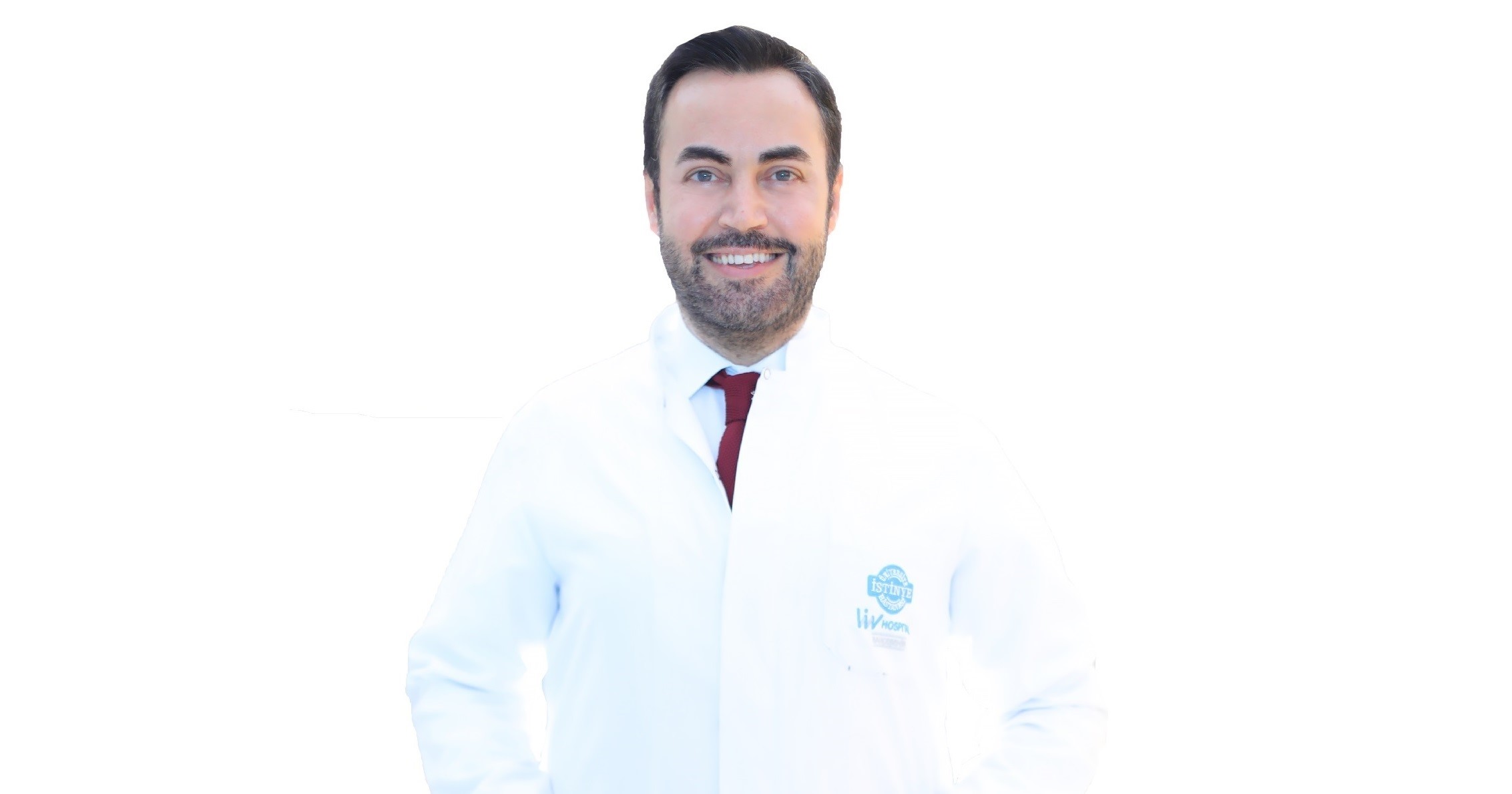
“Regular consumption of foods such as okra, carrots, eggplant, green beans, beets, cauliflower, apples, oats, citrus fruits, avocados and almonds improves cardiovascular health by protecting the body against bad cholesterol,” said Dietitian Serkan Aksoy.
Dietitian Serkan Aksoy from ISU Liv Hospital Bahçeşehir stated that cholesterol is a waxy fat that has many functions in the organism such as the production of vitamins, hormones and bile acids that play an important role in digestion, which are found in the blood and cell membranes produced by the liver. Underlining that cholesterol needs lipoproteins produced by the liver because it cannot dissolve in water and circulate alone in the blood, Dietitian Serkan Aksoy said that one of them is called low density lipoprotein (LDL) and the other is called high density lipoprotein (HDL).
“Good cholesterol reduces the risk of stroke”
Dietitian Serkan Aksoy explained the differences between bad cholesterol (LDL) and good cholesterol (HDL) as follows:
“While LDL (bad cholesterol) has a plaque-forming effect on the arterial wall, HDL (good cholesterol) collects the cholesterol accumulated in the arteries and cells and brings it to the liver. While LDL transports cholesterol to the tissues, HDL transports cholesterol from the tissues to the liver. High LDL levels increase the risk of cardiovascular diseases and stroke, while high HDL levels reduce the risks.”
“HDL should be above 50 mg/dL in men and 40 mg/dL in women”
Noting that cholesterol is an important fat because it provides the formation of important substances for energy metabolism in the organism, Dietitian Aksoy said, “It is considered normal for LDL, popularly known as malignant cholesterol, to be lower than 130 mg/dL. If its value in plasma exceeds 160 mg/dL, fats accumulate on the walls of the arteries and begin to form plaques and prevent blood flow. This leads to diseases such as heart disease and stroke. HDL, popularly known as benign cholesterol, is required to be above 50 mg/dL in men and 40 mg/dL in women. Above these values reduce plaque formation on the arterial vessel walls.”
“Fast-food, fatty foods and sugar should be avoided”
Underlining that a solution can be found to bad cholesterol that increases as a result of poor lifestyle, unhealthy diet and stress, Dietitian Aksoy pointed out that for this, lifestyle change, fatty, fast food style eating habits, foods and beverages with refined sugar content, alcohol and smoking should be avoided.
Dietitian Aksoy said, “In order to protect against bad cholesterol, it is good to switch to a lifestyle in which complex carbohydrates and low-fat meals are preferred, white meat is preferred more than red meat, and an active lifestyle (physical activity, exercise) gains importance and stress is reduced.”
Talking about vegetables and fruits that are good for bad cholesterol, Dietitian Aksoy said, “Regular consumption of foods such as okra, carrots, eggplant, green beans, beets, cauliflower, apples, oats, citrus fruits, avocados and almonds improves cardiovascular health by protecting the body against bad cholesterol.”
“Salmon, tuna, chia seeds and walnuts can be consumed”
Dietitian Aksoy listed the things that cholesterol patients should pay attention to in their diet as follows:
“Including anti-inflammatory and antioxidant foods in the diet (vegetables and fruits, healthy fats, whole grains, spices and herbs, fermented foods).
Increase soluble fiber intake (oats, barley, legumes, fruits, vegetables, nuts and seeds).
Reduce saturated and trans fats.
Consume foods containing sterols and stanols (vegetable oils, nuts and seeds, vegetables, fruits, grains and legumes).
Consume foods rich in omega-3 fatty acids (salmon, tuna, mackerel, sardines, anchovies, trout, chia seeds, flax seeds, walnuts).”
“You should be asleep by 24.00 at the latest”
Dietitian Aksoy stated that excess cholesterol caused by nutrition can be corrected with proper nutrition techniques, but in excess cholesterol caused by genetic factors, it may be necessary to improve lifestyle and nutrition program along with medications used under the control of a doctor. Dietitian Aksoy explained the things to be considered in order to keep cholesterol at a normal level and not to increase as follows:
“Paying attention to the daily sleep pattern in a dark environment and sleeping at 24.00 at the latest. Walking for 150 minutes every week. Eating surface fish two meals a week. Avoiding smoking and alcohol. Consume raw almonds, walnuts, flax seeds, chia seeds. If you are not at your ideal weight, try to reach your ideal weight with a specialist. Drink 35 ml of water per kg every day. Eating red and purple vegetables and fruits. Benefit from the sun for 20 minutes for vitamin D synthesis when it is appropriate to be in the sun. It is necessary to consume 2 portions of fruit and 3 portions of vegetables every day.”
İHA Haber Kodu: 20240814AW266847