Even if there is no feeling of thirst in hot weather, at least 2-2.5 liters of liquid should be consumed every day
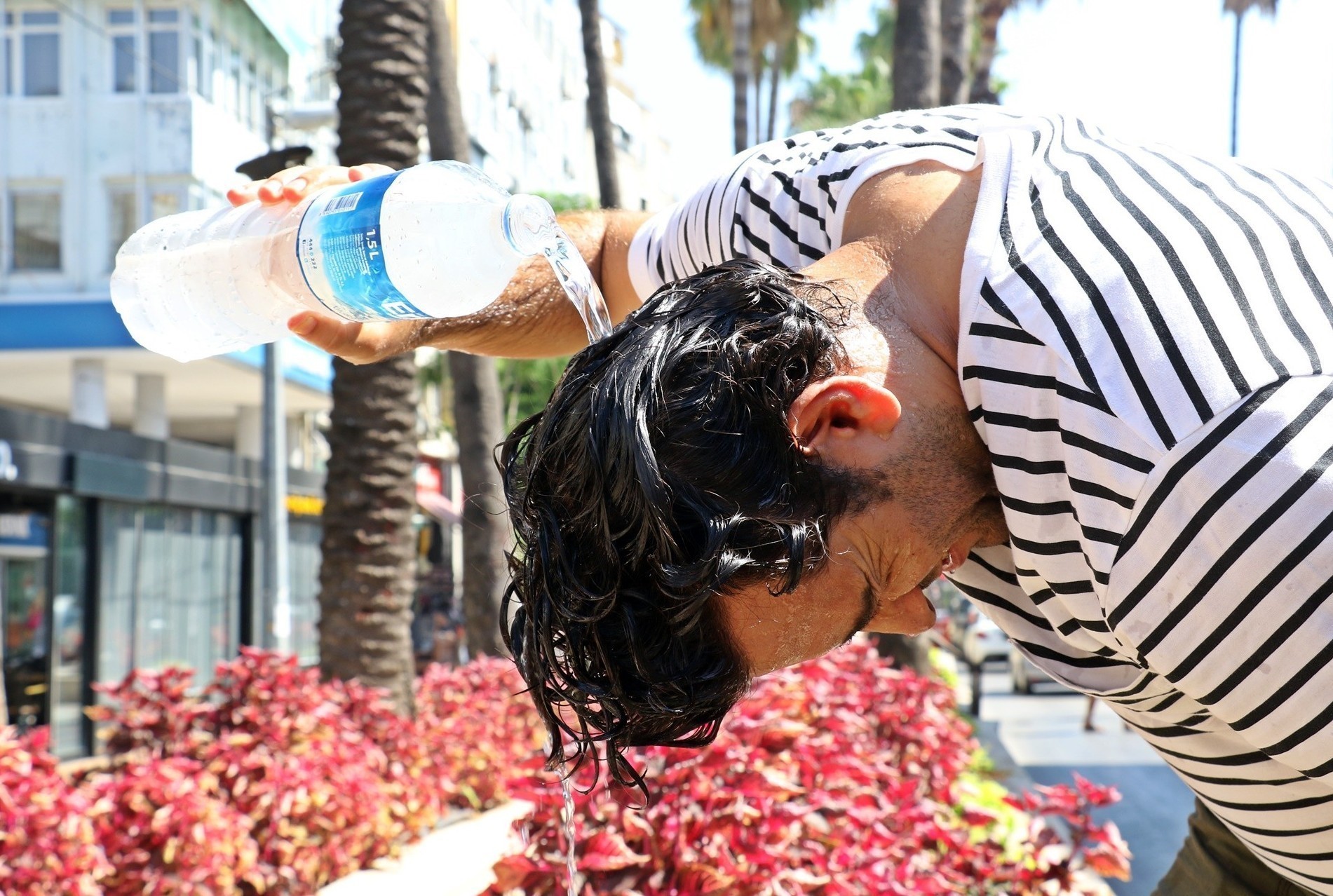
Experts warned citizens against extreme heat and stated that even if there is no feeling of thirst in hot weather, at least 2-2.5 liters of liquid should be consumed every day.
Pointing out that extreme heat brings along various health problems, Dr. Rengin Yiğit stated that the body temperature increases due to the increase in temperature and humidity.
Noting that normally body temperature is tried to be kept in balance by sweating, Dr. Yiğit said, “However, in extreme heat, body temperature cannot be kept in balance only by sweating. It may not always be possible to keep the body temperature in balance with the sweating mechanism in the elderly, infants and those with chronic diseases. Again, if the humidity in the environment is high, the body temperature may not decrease sufficiently by sweating. In addition, obesity, high fever due to any disease, excessive fluid loss (dehydration), heart disease, mental and nervous illness, alcohol and drug use, and the use of certain medications for therapeutic purposes (blood pressure reducers, diuretics, etc.) are other factors that affect sweating in hot weather. In such cases, rising body temperature can cause damage to the brain and other vital organs.”
Stating that the elderly aged 65 and over, children under the age of 4, those in need of care, pregnant women, those who work outdoors, overweight, those with chronic diseases (diabetes, cardiovascular diseases, cerebrovascular diseases, psychological diseases, chronic respiratory system diseases, liver diseases, kidney diseases), people who constantly use medication (especially blood pressure lowering, diuretic, depression and sleeping pills), street children and homeless people are the groups affected by extreme heat, Dr. Rengin Yiğit underlined that the elderly, especially those with chronic diseases and living alone, are the groups most at risk.
Stating that in order to be protected from extreme heat, one should not go out between 10.00-16.00 hours unless they have to, Dr. Yiğit made the following statement:
“Those who need to work outdoors should be careful not to be unprotected under the sun as much as possible, avoid excessive movements, and take watery foods containing salt frequently. Light-colored, light, loose and tightly woven clothes made of fabrics should be preferred when outdoors; hats with wide brims and air holes should be worn and sunglasses that protect from the harmful rays of the sun should be used. Do not swim in the sea or sunbathe during the hours when the sun's rays are steep (10.00-16.00). Those who want to swim outside these hours should use sunscreen cream, take necessary protective measures such as hats and goggles, and should not sunbathe for a long time without interruption. Morning and evening hours should be preferred for intense physical activity and sports, and at least 2-4 glasses of fluid should be taken for each hour of exercise. Heavy physical activities should be avoided. Adults and the elderly at risk should be monitored at least twice a day for sun or heat stroke. Infants should be monitored more frequently. Infants, children, disabled people and animals should never be left in closed and parked vehicles. The interior temperature of vehicles rises very soon after they are parked, even with air conditioning. When leaving the vehicle, make sure that everyone gets out. Closed areas should be well ventilated. Windows in the sun should be shaded with curtains and blinds. Shower frequently to prevent body temperature from rising; if this is not possible, feet, hands, face and neck should be wetted or wiped with cold water. Even if there is no feeling of thirst, at least 2-2.5 liters (12-14 cups) of liquid should be consumed every day. Low-fat cheeses, olives and fresh vegetables should be included in breakfast, and milk, fruit juice, herbal teas such as linden and rosehip should be preferred instead of caffeinated drinks. Avoid fatty foods and deep-fried foods; use vegetable oils for cooking. When cooking meals, healthy cooking methods such as boiling, grilling, cooking in its own juice or in little water should be applied instead of frying and roasting. Plenty of vegetables and fruits should be consumed to increase body resistance and ensure that the body gets enough vitamins and minerals. Drink more fluids than usual to prevent the loss of fluids and minerals due to sweating. Although drinking water is essential for fluid intake, drinks such as milk, ayran and fruit juice should be preferred over coffee, tea and carbonated drinks. If fluid intake is restricted by the doctor or diuretic medication is used, you should consult the relevant doctor. Very cold and icy drinks should not be preferred as they may cause stomach cramps. Drinks containing caffeine, alcohol and large amounts of sugar should not be consumed as they cause more fluid loss from the body. Consumption of food sold outside and in the open should be avoided, foods with the risk of spoiling quickly (meat, eggs, milk, fish, etc.) should not be kept in the open, hygiene rules should be observed during the preparation and cooking stages of food.”
İHA Haber Kodu: 20240807AW262428