Expert warned: “Gestational diabetes increases the risk of obesity and blood pressure in the baby”
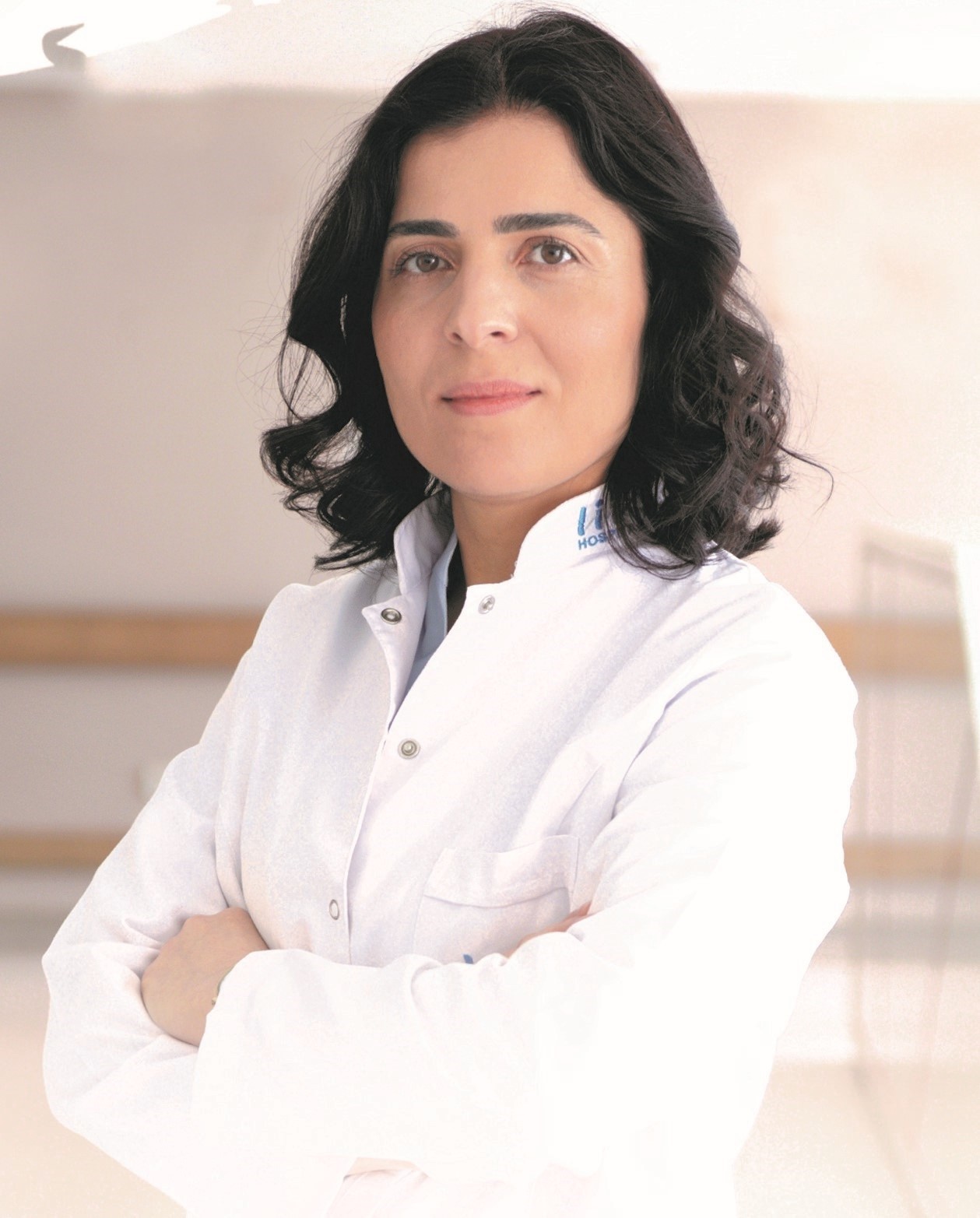
Endocrinology and Metabolic Diseases Specialist Dr. Esra Tutal, who stated that approximately 1 in every 10 pregnant women is diagnosed with gestational diabetes, said, “Gestational diabetes increases the risk of developing high blood pressure disease in the mother. It can also trigger low sugar in the newborn period and neonatal jaundice in the baby.”
Endocrinology and Metabolic Diseases Specialist Dr. Esra Tutal made statements about diabetes during pregnancy. Dr. Tutal said, “Gestational diabetes is high blood sugar detected during pregnancy. Gestational diabetes increases the risk of developing high blood pressure disease in the mother. It can also trigger hypoglycemia (low sugar) and neonatal jaundice in the newborn period. Factors that increase the risk of developing diabetes are having diabetes in the family, being overweight before pregnancy, giving birth to a baby weighing more than 4.5 kilograms, having a premature birth, hidden diabetes before pregnancy, being pregnant over the age of 25 and polycystic ovary syndrome.”
“Diagnosis process”
Stating that it should not be forgotten that gestational diabetes can develop without any risk factors, Uzm. Dr. Tutal said, “Gestational diabetes is usually diagnosed between the 24th and 28th weeks of pregnancy. If you have had gestational diabetes before or if your doctor thinks you are at risk, tests can be performed before the 13th week. Screening for gestational diabetes is done with an oral glucose tolerance test (known as a sugar loading test). A 50 gram glucose drink is drunk and the blood level is checked 30 minutes later. If the test result is abnormal, the test is retested with 100 grams of glucose.”
“Not knowing that the mother has diabetes is risky, not the sugar loading test”
Stating that having a sugar loading test is not harmful, Uzm. Dr. Tutal said, “The sugar taken during the test is as much as the sugar in 1 glass of sugary drink, a few slices of dessert or a plate of rice pilaf. The real risky situation is that the mother has gestational diabetes and this condition is not known. High sugar in the mother's blood passes to the baby and causes the baby to produce excessive amounts of insulin, which causes the baby to grow too big. Oversized babies are more likely to be exposed to birth trauma. The mother's high blood sugar can trigger preterm delivery, and the baby's excessive size can also lead to the decision to deliver prematurely. Babies born to mothers with gestational diabetes may have inadequate lung development even if the birth is not premature and the baby may have difficulty breathing when born. Babies born to mothers with uncontrolled blood sugar may have low blood sugar after birth. Very serious drops can cause the baby to have convulsions. Blood sugar should be raised immediately. Babies born to mothers with gestational diabetes have an increased risk of developing obesity and Type 2 diabetes later in life.”
“Harm to the mother”
Uzm. Dr. Tutal also said the following about the negative effects of gestational diabetes that may be reflected on the mother and baby:
“Gestational diabetes increases the risk of high blood pressure. It also increases the risk of preeclampsia, which endangers the life of both mother and baby. If you have had gestational diabetes, you will probably have gestational diabetes in the next pregnancy. You are also more likely to develop Type 2 diabetes as you get older. For women who have had gestational diabetes, healthy lifestyle changes, such as healthy eating and exercise, can reduce the chances of developing diabetes in the future. Insulin treatment is required in patients whose blood sugar cannot be controlled by diet. Blood glucose measurement should continue for a while after delivery. Approximately 2 months after birth, a sugar load should be performed to make sure that the sugar level is completely normalized. Thereafter, the risk of diabetes should be assessed every 2-3 years. The treatment of this disease is performed by endocrinology and gynecology and obstetrics specialists.”
İHA Haber Kodu: 20240822AW272129