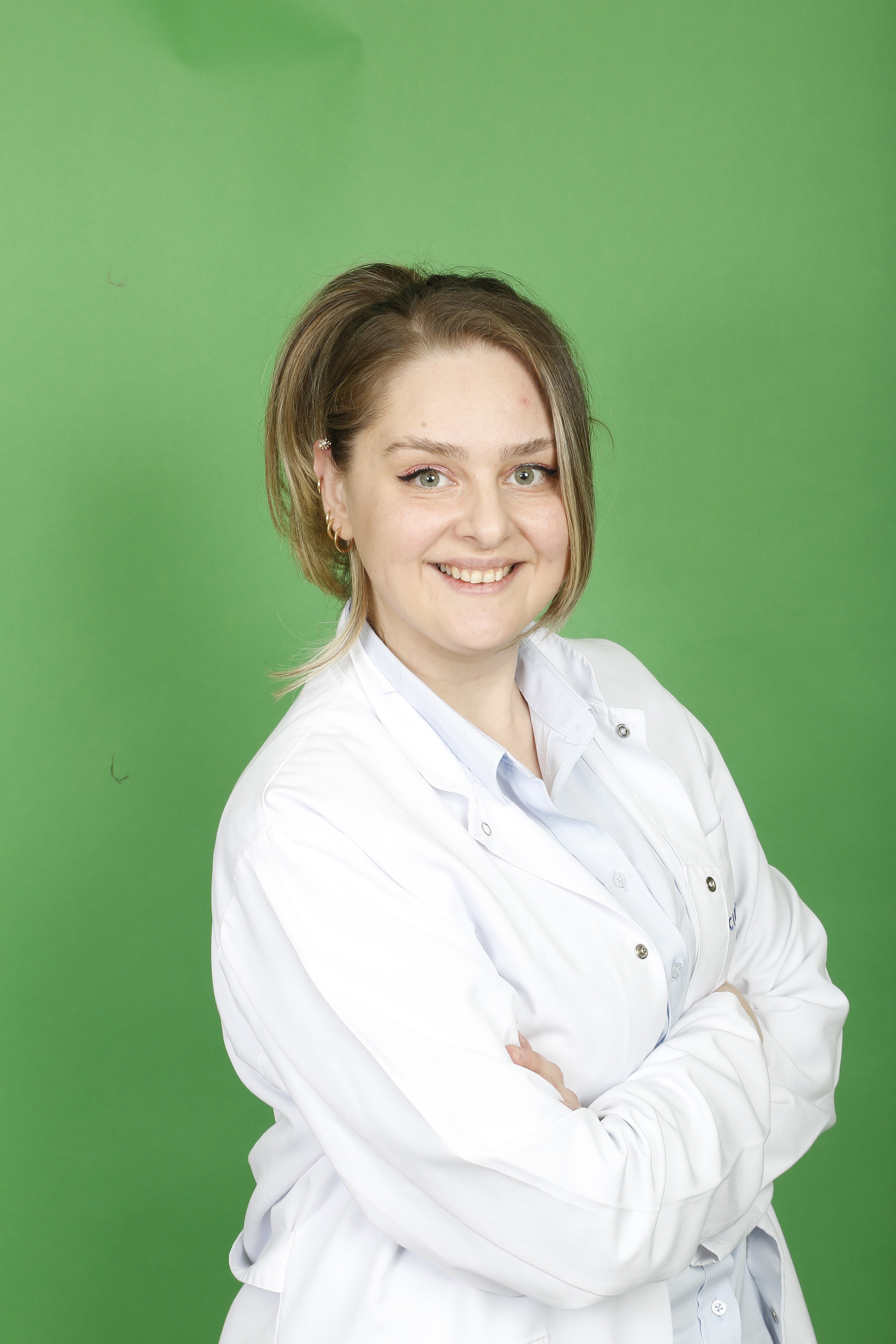
Child Health and Diseases Specialist Dr. Derya Bekteş pointed out that febrile convulsions, which are usually caused by infection, are often confused with epilepsy.
Child Health and Diseases Specialist Dr. Derya Bekteş gave important information about febrile convulsions, which are usually caused by infection and are one of the biggest nightmares of parents. Dr. Bekteş stated that the causes of febrile convulsions, called “febrile convulsions” in medicine, are still not fully understood and said, “Not every febrile illness causes febrile convulsions”.
Stating that this condition, the exact cause of which is unknown, is usually associated with high fever, Dr. Bekteş said, “It is a condition in which fever causes the secretion of certain hormones and substances in the blood and these substances affect the brain discharge mechanism and cause a seizure. The most common viral infections, upper respiratory tract infections, ear infections, influenza and urinary tract infections, some live vaccines, sometimes even teething can cause fever and then seizures.”
“It is more common in boys”
Stating that the seizure-fever relationship is not related to the height of the fever, but to the rate of increase in fever, Dr. Bekteş said that febrile convulsions are more common in 38-40 degrees fever, in children between the ages of 3 months and 6 years and in boys than girls. Explaining that the risk is slightly higher in children whose first-degree relatives have had febrile convulsions, Dr. Bekteş said, “Although it has not been conclusively proven, it is thought that the risk increases if the mother smoked during pregnancy, zinc deficiency, iron deficiency, melatonin secretion is impaired, antihistamine use and if the patient has a history of hospitalization in intensive care during the neonatal period.”
“It is usually seen in January and in the afternoon”
Pointing out that although having a seizure once increases the risk for a second seizure, the seizure does not recur in 70 percent of patients, Dr. Bekteş said:
“The risk of recurrence increases as the age of the first seizure gets younger. If there is a family history of seizures, the risk of recurrence increases by 50 percent compared to those without a family history. Half of the recurrent seizures occur within the first 6 months. The more a seizure recurs, the higher the risk of recurrence. It usually occurs in January and in the afternoon.”
“Febrile convulsions are not epilepsy”
Underlining that febrile convulsions, which usually occur due to infection and are confused with epilepsy, are not “epilepsy”, Dr. Bekteş stated that seizures do not damage the brain because they last for a very short time, but a seizure lasting more than 15 minutes can cause damage due to oxygen deprivation in the brain. Dr. Bekteş said that the risk of epilepsy is 1 percent in cases where the fever, called simple febrile convulsion, is 39 degrees and above, lasts less than 15 minutes, the neurological development of the child is normal, there is no history of febrile convulsions in the family, and the seizure form is seen in the whole body (generalized type). Dr. Bekteş added that in the type called complex febrile convulsion, the risk of epilepsy is 6 percent in cases where the fever is 38 degrees and below, lasts longer than 15 minutes, there is an underlying neurological problem, there is a family history, and the seizure form is seen in part of the body, not in the whole body. Dr. Bekteş stated that the risk increases to 10 percent in the presence of a previous neurological anomaly in the child or the presence of epilepsy in a first-degree relative.
“If you try to open the patient's mouth, you will harm them”
