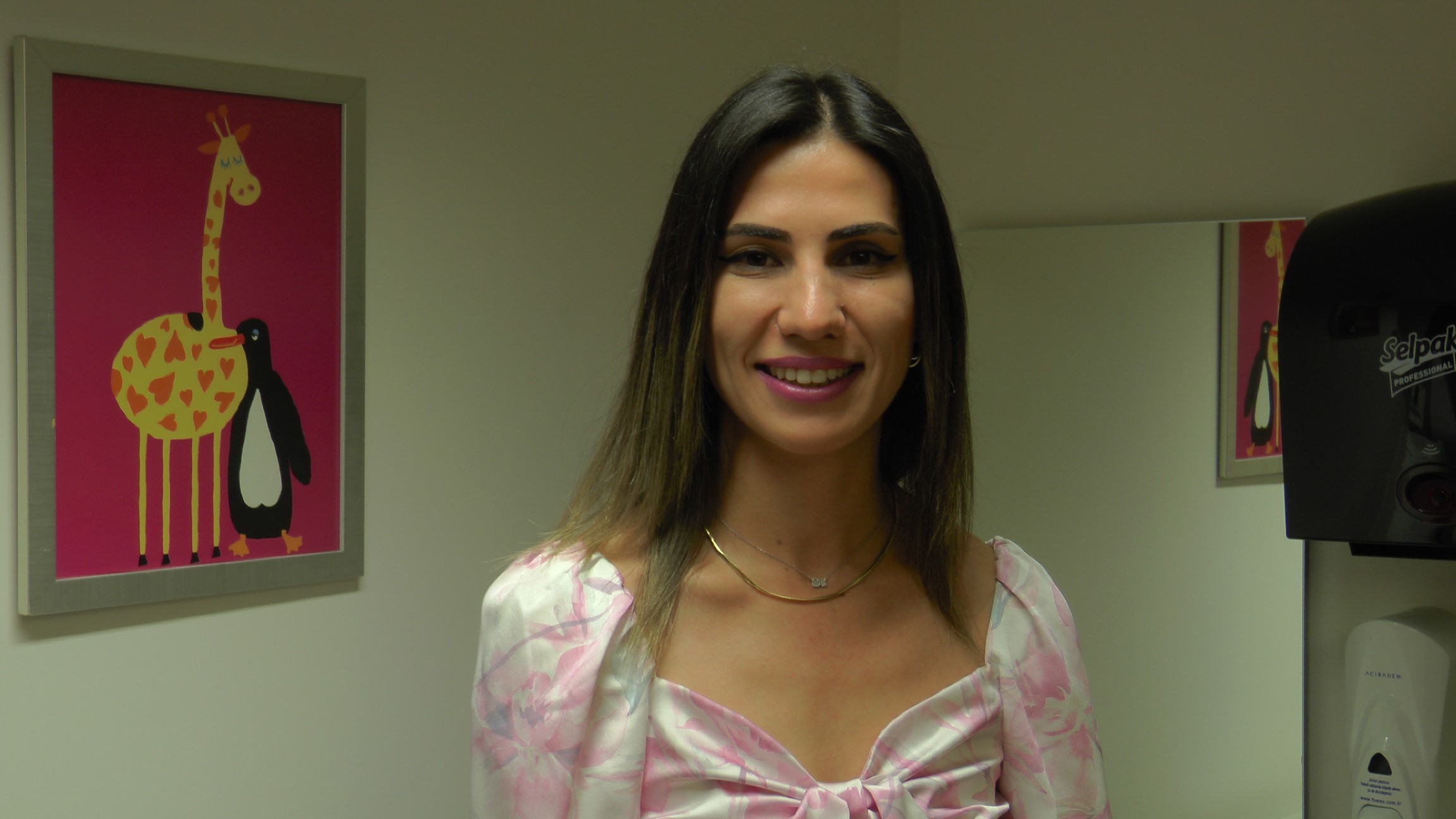
Acıbadem Kayseri Hospital Child Health and Diseases Specialist Dr. Merve Karaca said that especially risk groups, those with chronic diseases, all children under the age of 5, especially pregnant women, can be vaccinated in October and November by recommending flu vaccine.
Stating that influenza is a disease caused by the influenza virus, with high contagiousness in late autumn and winter months, Pediatrician Dr. Merve Karaca said that if attention is not paid, it is highly severe in risky groups, may require hospitalization and its popular name is rag disease. Emphasizing that the flu is transmitted through droplets spread during coughing, sneezing, talking and breathing, Dr. Karaca said, “It is also transmitted through contact, although less frequently. The virus, which spreads to inanimate surfaces by coughing and sneezing, can make us sick if we take it to our mouth and nose without washing our hands. In flu, there may be complaints such as sudden onset of high fever, chills, chills, sore throat, headache. Although it is rare in adults, it can sometimes come with diarrhea and vomiting in children. Especially in young children, it may come with complaints such as weakness, fatigue, drowsiness, non-sucking, malnutrition and general restlessness.”
“Antibiotics do not affect viruses”
Stating that flu patients should take some precautions, but the vaccine provides the main protection, Dr. Karaca said, “In fact, there is no place for the use of antibiotics in the treatment of influenza because the cause is viruses. The important thing is to rest, drink plenty of fluids and consume fresh vegetables and fruits. It will usually go away on its own within a week. However, especially people with chronic diseases, people over the age of 65, pregnant women or risk groups such as children under the age of 5, children attending kindergarten, if the disease is more severe, they should consult the relevant specialist within 24-48 hours without much delay. Especially in selected cases, anti-viral treatment, that is, drug treatment against the virus, can also be applied.”
“Vaccines have been given for 60 years”
Referring to the measures that can be taken to protect against the flu, Dr. Karaca said, “First of all, we should touch water and soap. It is important that we can wear a mask, especially in crowded environments. It is necessary to pay attention to the distance, but the main protection is provided by vaccines.” Stating that influenza vaccines have been used for more than 60 years, Dr. Karaca stated that the World Health Organization distributes vaccines to countries by rearranging them every year according to the antigen and common type of the virus.
“It is recommended for all children and risk groups, especially under the age of 5”
Emphasizing that influenza vaccine is especially recommended for risk groups and those with chronic diseases, children under 5 years of age, pregnant women, Dr. Karaca said, “It is recommended to be done from October, November to March every year. Children under 9 years of age can be given the vaccine in 2 doses at least 4 weeks apart if 2 doses have never been given before, and in a single dose over the age of 9. The protection of the vaccine starts about 2 weeks after the vaccine is administered and lasts for about 6 months. The vaccine can be administered to everyone except children under 6 months of age, those in the first 3 months of pregnancy and especially those with severe allergies to the ingredients in the vaccine. In children under 6 months, since we cannot vaccinate, one of the most important things in protection is breast milk, but the baby can also be protected thanks to the antibodies that pass from the mother to the baby through the placenta, especially with the vaccination of the mother in the last 2 trimesters of pregnancy with the cocoon strategy.”
“Vaccine does not trigger an asthma attack”
Underlining that the vaccine does not trigger diseases, Dr. Karaca continued his words as follows; “We receive more questions about vaccination. Especially does the vaccine cause flu? The vaccine itself does not cause flu, but since the protection of the vaccine starts about 2 weeks after the vaccine is administered, if a patient coincidentally encounters the flu virus, then he may get the flu. In other words, not the vaccine itself, but another virus can cause this.”
Referring to the questions of whether vaccination can be done when you have the flu or when you are in the recovery phase, Dr. Karaca said; “Vaccination is not recommended when you have the flu as it may exacerbate the disease. It is also asked in terms of asthmatic children. Such as whether it triggers an asthma attack. There is no such thing as the vaccine triggering an asthma attack. We especially recommend the vaccine especially for children with chronic diseases, such as asthma, cystic fibrosis and chest diseases such as cystic fibrosis in order to be protective.”
İHA Haber Kodu: 20241025AW315741