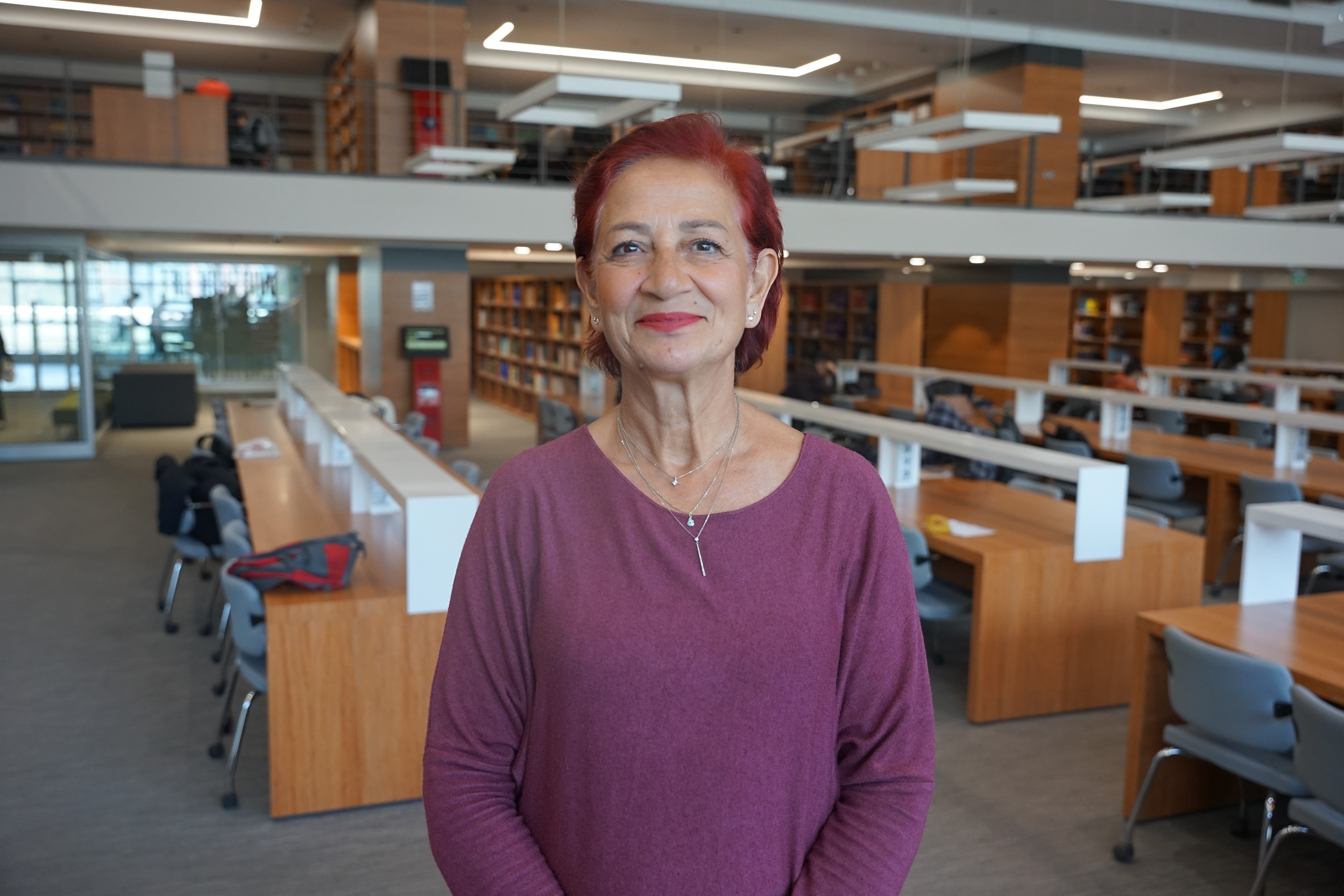
Prof. Dr. T. Gül Şendil, Head of the Department of Psychology at the Faculty of Humanities and Social Sciences, stated that children's healthy friendships have very important contributions to the development of social skills and said that children first learn the requirements of the society they live in and then the world within their friendships. Stating that children gain a sense of identity and belonging through healthy friendships, Şendil said, “Children can establish secure relationships, develop self-confidence, develop planning and problem-solving skills, learn to cope with stress, develop emotion regulation skills and show a healthy emotional and social development.”
Prof. Dr. T. Gül Şendil, Head of the Department of Psychology, Faculty of Human and Social Sciences, Istanbul Atlas University, evaluated the importance of friendship relationships in child development in a statement made on the occasion of July 30 Friendship Day.
Children are prepared for social life at birth
Drawing attention to the importance of establishing healthy interpersonal relationships, Prof. Dr. T. Gül Şendil said: “Just as living things in the biological universe need to be advantageous in order to sustain their existence, people in social life need to have healthy interpersonal relationships in order to lead a healthy life. In accordance with this very purpose, people prepare for social life by gradually expanding the relationship network that starts with their parents from the moment they are born, including siblings, close relatives, neighbors, peers and wider social relationships. They develop their social skills in proportion to the healthiness of these relationships.”
Children who develop social skills communicate effectively
Emphasizing the importance of social skills development in children, Prof. Dr. T. Gül Şendil said, “A child who develops social skills can communicate effectively with others, demonstrate socially acceptable behaviors or avoid unacceptable attitudes and behaviors, and exhibit behaviors that are beneficial both for themselves and for the society they live in.”
Healthy friendships give children a sense of identity and belonging
Stating that friendship relationships are very important in the social development of children, Prof. Dr. T. Gül Şendil said:
“Social skills and friendship relationships are intertwined. While the development of social skills determines the success in friendship relationships, friendship relationships also contribute to the development of social skills. Within friendship relationships, children first learn the requirements of the society they live in and then the requirements of the world. Through healthy friendships, children gain a sense of identity and belonging, establish secure relationships with others, develop self-confidence, improve planning and problem-solving skills, learn to cope with stress, develop emotion regulation skills, and develop healthy emotional and social development. In addition, through friendships, children develop healthy behaviors such as regular sleep, nutrition and exercise.”
Different experiences in peer and friend relationships
Noting that peer and friend relationships are two different concepts, Prof. Dr. T. Gül Şendil said, “Children talk about both peer and friend relationships, in fact, these two concepts should be distinguished from each other. Peer relationships, which include the child's relationship with the peer group, are one-way. Friendship, on the other hand, involves a mutual, voluntary and positive relationship between at least two children. Children have different experiences in peer and friend relationships. For example, a child with no friends may be accepted into a peer group, or a child with few friends may not always be guaranteed acceptance into a peer group. Acceptance by peers is a protective factor for a child's emotional social development. Children who are accepted by their peers can form close friendships, are more eager to participate in school activities, have high academic motivation and are more harmonious in their friendships.”
Parents have important duties
Prof. Dr. T. Gül Şendil stated that parents have responsibilities to support the development of friendship relationships, which are so important for children, and said, “Parents should provide their children with certain characteristics that will improve their social skills, both through the attitudes they adopt in raising children and as positive models. Among these gains, children can learn to control their emotions and impulses, respect the rights of others, take turns, speak, be patient, share, take responsibility, give reciprocal credit, solve their own problems, and gain the experience of loving and being loved.”
Parents should not intervene directly
Prof. Dr. T. Gül Şendil also stated that parents should create environments where their children can be with their peers and advised, “They should encourage them to choose their friends and guide them by establishing healthy communication when necessary instead of directly interfering in their relationships with their friends.”
İHA Haber Kodu: 20240729AW256767