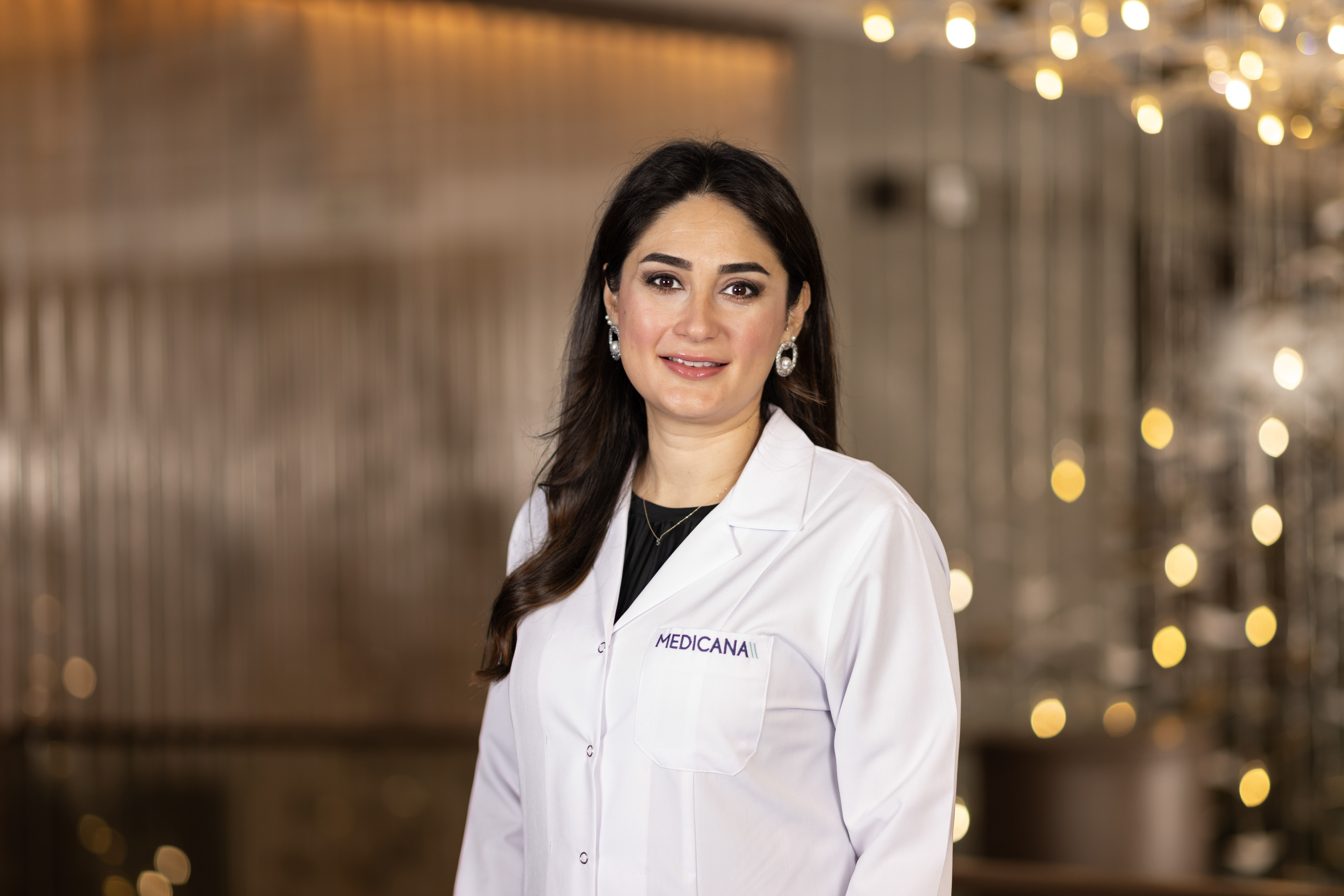
Healthy nutrition and weight control play a role in preventing breast cancer, just like other types of cancer. Dyt. Semahat Burcu Sel stated that overweight and obesity are among the risk factors for breast cancer, especially in the postmenopausal period and said, “Eating a diet rich in vitamins, minerals and antioxidants, preferring healthy fats and fibrous foods, as well as limiting the consumption of red meat, sugar and refined carbohydrates can help reduce the risk of breast cancer.”
Breast cancer occurs when cells in the breast tissue grow uncontrollably. Among the reasons that increase the risk of breast cancer are genetic and hormonal factors, age, overweight, sedentary life, giving birth early or not giving birth at all and radiation exposure.
Stating that “Breast cancer is among the cancer types for which nutrition follow-up and medical nutrition treatment is the most effective,” Dyt. Semahat Burcu Sel said, “Studies show that breast cancer patients maintaining their ideal weight and low body fat rates prevent cancer recurrence.”
Overweight or obesity can increase the risk of breast cancer
Pointing out that overweight and obesity are risk factors for breast cancer, especially in the postmenopausal period, Dyt. Semahat Burcu Sel said, “Sedentary life is also a factor that increases the risk. Healthy nutrition and weight control can help reduce the risk of breast cancer, as in other types of cancer.”
Dyt. Semahat Burcu Sel gave information about foods that help prevent breast cancer:
Eat a diet rich in vitamins, minerals and antioxidants
“Vitamins A, C and E can play a role in the fight against cancer by reducing cellular damage. To maintain bone health, foods containing calcium, vitamin K, phosphorus, potassium, magnesium, magnesium and zinc should be included in the daily diet. There are some studies showing that vitamin D levels are associated with breast cancer risk. It is important to take sunlight and foods rich in vitamin D (oily fish, dairy products). Antioxidants protect the body against free radicals, reducing cell damage and protecting against cancer. These substances are abundant in many vegetables and fruits. It is important to consume dark green leafy vegetables such as spinach, chard, kale, arugula, red-orange colored vegetables such as carrots, pumpkin, red peppers and fruits such as blueberries, strawberries, pomegranates, oranges, kiwis and apples.”
Consume fiber foods
“High fiber intake supports the digestive system, improves gut health and some research suggests it may reduce the risk of breast cancer. Whole grains such as quinoa, bulgur, oats, brown rice, legumes such as lentils, chickpeas and beans, and vegetables such as broccoli, zucchini and eggplant are rich in fiber.”
Prioritize healthy fats
“It is important to avoid saturated fats and trans fats and opt for healthy fats. Omega-3 fatty acids in particular have anti-inflammatory properties and may be protective against breast cancer. Choose olive oil for meals and salads. Avocados are also a rich source of healthy fats. Hazelnuts and walnuts are oily seeds rich in Omega-3. Salmon, sardines and mackerel are fish species rich in Omega-3.”
Red meat consumption should not exceed 500 grams per week
“Processed meats (salami, sausages, pepperoni) and excess red meat consumption can increase the risk of cancer. Therefore, it is important to limit the consumption of these foods. You can turn to lean protein sources such as chicken, turkey and fish. If you want to consume red meat, choose low-fat red meat from natural sources 2-3 times a week. Try to consume less than 500 g of red meat per week.”
Avoid sugar and refined carbohydrates
“Refined sugar and carbohydrates (white bread, white rice, sugary snacks) can cause blood sugar fluctuations, which can increase inflammation. Make sure that the daily amount of sugar does not exceed 20-25 grams. Eat whole grain products such as whole wheat bread instead of white bread and brown rice instead of white rice. Use natural sweeteners such as honey, dates or maple syrup in controlled amounts.”
Switch to alternatives to fatty dairy products
“Some studies have shown that high-fat dairy products may increase the risk of breast cancer. Turn to low-fat or vegetable milk alternatives. Vegetable milks such as almond milk and coconut milk can be preferred instead of milk.”
Make room for anti-inflammatory foods
“Foods that fight inflammation can help prevent the spread of cancer. Turmeric, a powerful antioxidant and anti-inflammatory, and ginger, which has anti-inflammatory properties, should be included in the diet. You can also consume 1-2 cups of green tea a day, which is rich in antioxidants and known for its anti-cancer properties.”
Pay attention to adequate fluid consumption
“Drinking enough water flushes your body of toxins and promotes overall health. Try to drink at least 2-3 liters of water a day. Herbal teas (unsweetened) or fresh vegetable juices can also be good sources of fluids. Since alcohol can increase the risk of breast cancer, it is important to avoid or completely stop consuming it.”
Dyt. Semahat Burcu Sel underlined that healthy eating habits can play an important role in reducing the risk of breast cancer and said, “However, nutrition alone is not a determining factor in preventing breast cancer. It is important to remember that genetic, hormonal and environmental factors are also important. Regular screenings and health checks for early diagnosis are very important against the risk of breast cancer.”
İHA Haber Kodu: 20241016AW309217