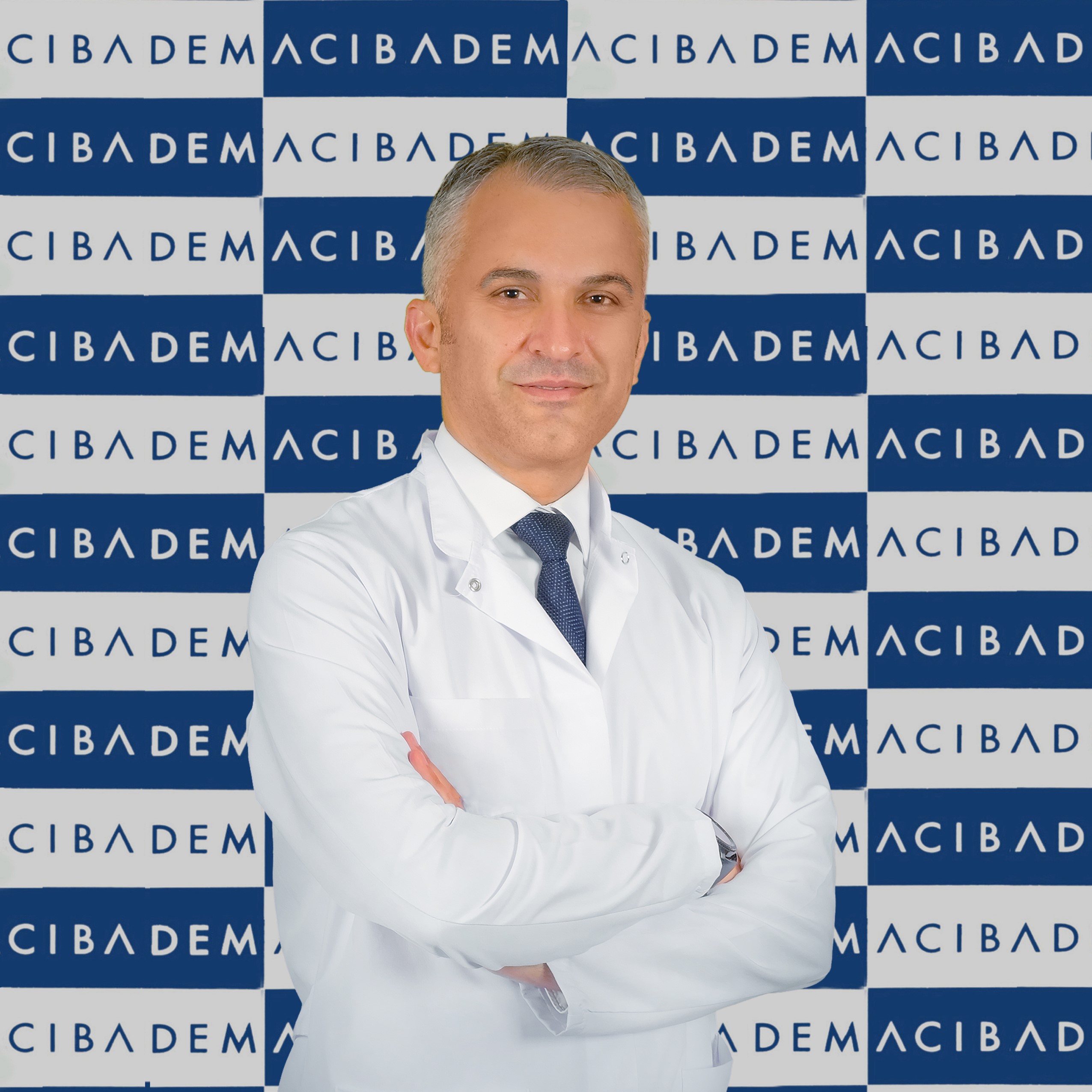
Hematology Specialist Assoc. Prof. Dr. Soner Solmaz, Hematology Specialist Assoc. Dr. Soner Solmaz said that health screenings, which are performed to detect possible health problems before obvious symptoms appear, are important checks in terms of preventive health.
Acıbadem Adana Hospital Hematology Specialist Assoc. Prof. Dr. Soner Solmaz stated that health screenings, which include a series of tests and examinations ranging from blood pressure and cholesterol levels to cancer symptoms and genetic predispositions, are effective in early diagnosis and improving quality of life.
Pointing out that hypertension, diabetes and some cancers, which progress silently and can cause significant damage before any symptoms appear, can be detected early thanks to these screenings, Assoc. Prof. Dr. Solmaz said, “Beyond disease detection, screenings play an important role in risk assessment. Many chronic diseases have identifiable risk factors such as family history, lifestyle choices and environmental exposures. Through comprehensive screenings, individuals can obtain important medical information about their personal risk profile. With this information, they can make informed decisions about lifestyle changes, preventive measures and early intervention strategies.”
“Screenings are quick and painless”
Pointing out that these screenings contribute to a healthier population, Assoc. Prof. Dr. Solmaz said that identifying and managing chronic diseases can also provide a significant benefit by reducing the burden of the health system and lowering health care costs. He underlined that early detection and treatment of conditions such as heart disease and stroke can prevent premature death and disability.
Pointing out that there is a misconception that these screenings are “unnecessary or time-consuming”, Assoc. Prof. Dr. Solmaz said that the benefits far outweigh the inconveniences; many screenings are quick and painless and are usually covered by insurance.
Stating that the scans should be tailored to individual needs and risk factors to increase their impact, Solmaz said, “Experts inform the person about the appropriate scans according to age, gender and family history. After these screenings, the person should take care to maintain a balanced diet, regular exercise and avoid harmful substances to complement the benefits of the screenings.”
“Cholesterol is one of the most common screenings”
Referring to cholesterol, which is common among the screenings, Assoc. Prof. Dr. Solmaz said, “The two most commonly known cholesterol, ‘bad’ cholesterol (LDL) and ‘good’ cholesterol (HDL) screening is done with a blood test. People with high cholesterol have a higher risk of cardiovascular diseases. Studies have shown that people who lower their high cholesterol can reduce their risk of heart disease.”
“Colon Cancer screening, one of the most common cancers, should not be neglected”
Informing that the presence of blood in the stool can be a harbinger of colon cancer, Assoc. Prof. Dr. Solmaz stated that it can also be caused by diseases unrelated to cancer, such as certain medications or foods, gastrointestinal bleeding or hemorrhoids; and that testing should be done from the age of 50.
“Women under the age of 65 should have a Pap Smear test”
Speaking about the Pap Smear test applied to women, Assoc. Prof. Dr. Solmaz said, “They are cell samples taken from the cervix to look for cellular changes that indicate cervical (cervical) cancer in women. Pap smear is an important screening test to detect cancer in sexually active women under the age of 65, usually at a stage when there are no symptoms. Some organizations also recommend HPV (human papillomavirus) DNA screening in certain populations during Pap smear.”
“Breast, colon and prostate screenings should be performed”
Stating that the blood test that measures the prostate specific antigen (PSA) level in the blood against prostate cancer, which is the most common prostate cancer in men, will provide data on prostate cancer, Assoc. Prof. Dr. Solmaz warned that the PSA level may be high for reasons other than cancer. For this reason, he stated that the PSA test should be performed every year after the age of 50 and evaluated by a specialist.
Solmaz, who recommends screening for colon cancer or colon polyps for everyone at the age of 50, earlier if there is a family history or other risk factors, said, “Apart from this, mammography screening for breast cancer is recommended every 1 to 2 years after the age of 50. This test is done in combination with a clinical breast examination. The American Diabetes Association (ADA) recommends that all adults, regardless of weight, be screened for diabetes or prediabetes at age 45. In addition, people without symptoms of diabetes should be screened if they are overweight or obese and have one or more additional diabetes risk factors.”
İHA Haber Kodu: 20240820AW270753