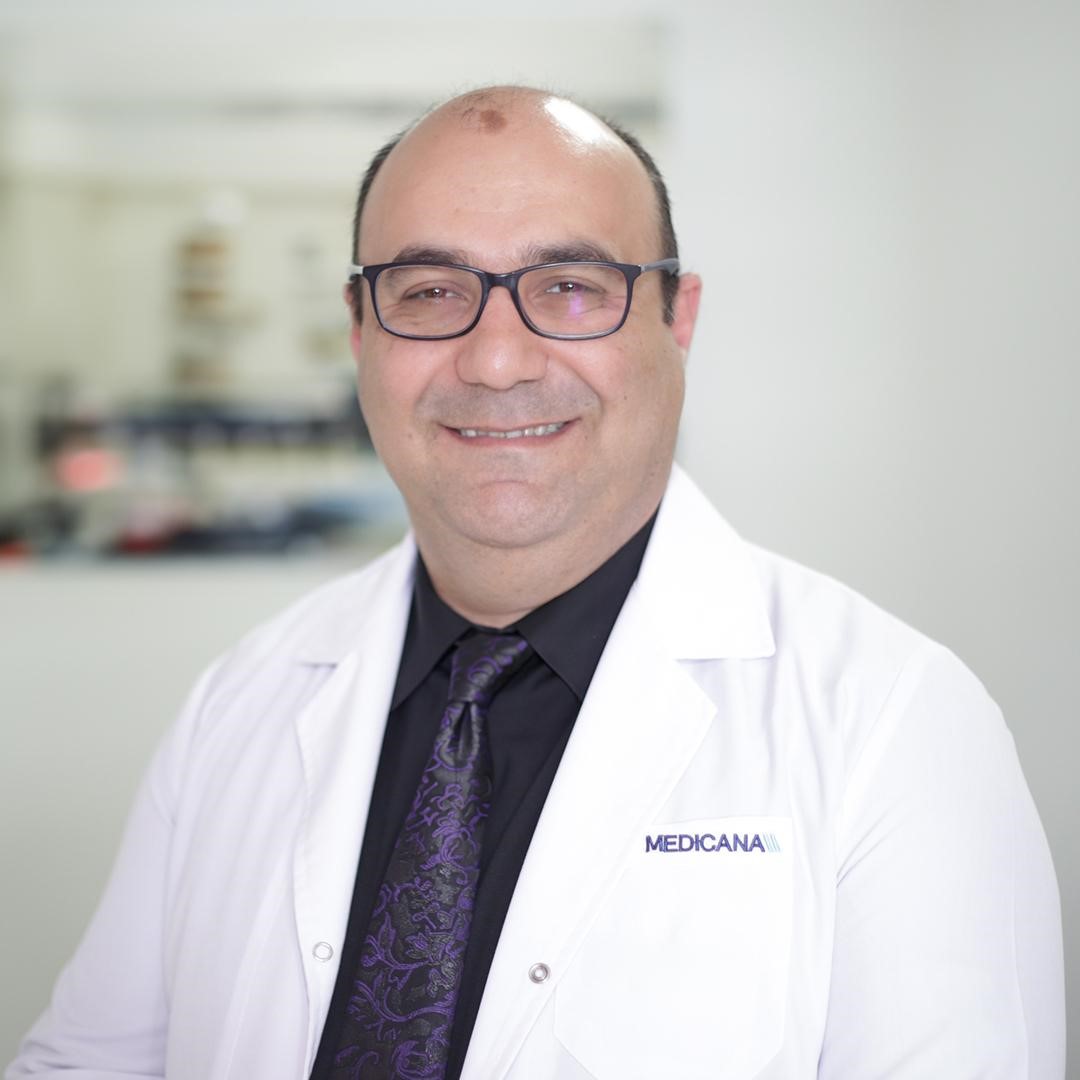
Pediatrician Dr. Mustafa Alper Aykanat said that one of the most important ways to protect children from school diseases is hand hygiene.
With the opening of schools, one of the biggest problems that worries parents is to protect their children from diseases. One of the Medicana Health Group Doctors, Uzm. Dr. Mustafa Alper Aykanat gave tips on ways to protect children from diseases.
Stating that hand hygiene is vital in preventing diseases, Medicana International Samsun Hospital Pediatrics Specialist Dr. Mustafa Alper Aykanat said, “Hands, which provide all kinds of relations with the environment in daily life, therefore carry the most microorganisms. Especially when hand hygiene is not paid attention to in crowded environments such as schools, children, whose body resistance is weaker than adults, face the risks of infectious diseases such as influenza, Hepatitis A and intestinal infections. Thousands of disease-causing microorganisms can be found even on seemingly clean hands. Influenza, jaundice, diarrhea-causing agents, intestinal parasites can spread from the mouth to the body through the hands. Children get sick more easily because their body resistance is weaker. For this reason, germs can be transferred even when hands are not washed properly, especially after using the toilet, and when erasers and pencils are exchanged between children at school. Disease-causing germs transmitted to these items by coughing and sneezing can be taken into the body through hands.”
“The best, most effective and cheapest method of disease prevention is hand washing”
Stating that cleanliness awareness should be created in childhood, Uzm. Dr. Mustafa Alper Aykanat said, “It is very important to create an awareness of cleanliness, especially from childhood. Children should be told about the ways of transmission of diseases, and personal hygiene, which is the primary method of protection, should be taught, especially the importance of hand washing should be emphasized. Personal hygiene habits are very important in the control of many infectious diseases. To reduce the risk of transmission of germs, hands should be washed frequently. Personal hygiene includes self-care practices to maintain one's health. Personal hygiene habits are very important in the control of many infectious diseases. The best, most effective and cheapest method of disease prevention is hand washing. Developing hand washing habits in children from an early age is very effective in preventing important diseases. Hands are especially used before and after meals, before and after toileting, after touching raw meat, chicken, fish and eggs, after touching spoiled food and garbage, after covering the mouth with hands during sneezing and coughing, after public transportation, money exchange, after using common phones, after close contact with cats, dogs and other animals, after close contact with cats, dogs and other animals, after using common toys.
How to wash hands
He also gave information about washing hands with the correct technique. Dr. Aykanat said the following:
“Hands are wetted with warm water. Soap is distributed over all surfaces of the hands and lathered well. Wrists, palms, fingers, between fingers, back of the hand and under the nails are rubbed vigorously for at least 1 minute. Rinse hands thoroughly. Dry hands with disposable paper towels, especially in public and public places. The faucet is turned off with the paper towel used for drying and the paper is thrown into the trash can.”
