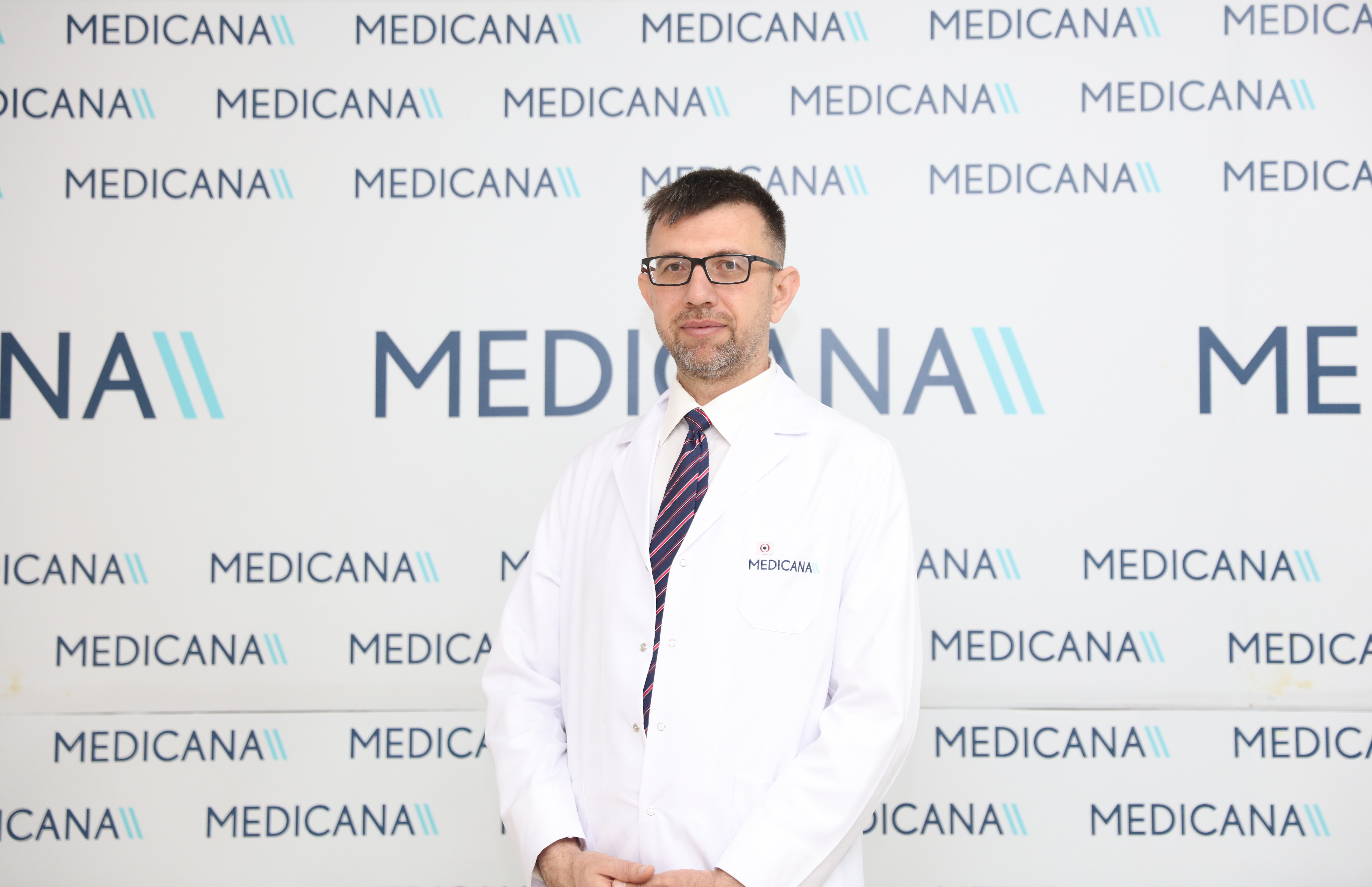
Tea and coffee are among the most consumed beverages in the world and in our country. Stating that tea and coffee consumed excessively during the day increases the symptoms of reflux, Gastroenterology Specialist Assoc. Prof. Dr. Bilal Toka emphasized that it is necessary to be more controlled when consuming these drinks, especially during periods when reflux complaints are active.
Medicana Health Group Gastroenterology Specialist Assoc. Dr. Bilal Toka made important warnings for reflux patients who love tea and coffee.
Tea and coffee trigger reflux
Stating that gastroesophageal reflux disease (GERD) is a clinical condition that occurs when stomach acid escapes back into the esophagus, Medicana Konya Hospital Gastroenterology Specialist Assoc. Prof. Dr. Bilal Toka said, “This pathological condition manifests itself with symptoms such as esophagitis, chest pain, burning sensation and difficulty swallowing. Tea and coffee are widely consumed beverages all over the world and there are various researches and theories about their effects on GERD. If reflux patients consume too much tea and coffee, the symptoms of the disease can become more severe. Reducing tea and coffee consumption, especially during treatment, also reduces complaints.”
Stating that more than one complaint can be seen together in reflux disease, and that usually malnutrition triggers reflux, Assoc. Prof. Dr. Bilal Toka continued as follows:
“Reflux is a disease where complaints usually start after meals. The acid levels of food can directly affect reflux. Reflux can cause symptoms such as heartburn, chest pain, burning sensation in the throat, cough and may play a role in the development of many other diseases such as chronic sinusitis and asthma. Reflux patients should carefully consume foods and beverages such as coffee, tea, onions, pickles, hot chili peppers, garlic, raw salads.
“Tea and coffee should not be consumed on an empty stomach”
Stating that excessive consumption of tea and coffee during the day increases the symptoms of reflux, Assoc. Prof. Dr. Bilal Toka emphasized that it is necessary to be more controlled when consuming these drinks, especially during periods when reflux complaints are active. Emphasizing that the type of tea and coffee and the way it is prepared are also important, Assoc. Prof. Toka said, “Decaffeinated or low-caffeine, lighter teas and non-dark coffee types should be preferred. Teas with longer brewing time may contain higher caffeine and tannins. Tea and coffee with high acid content should be avoided. Therefore, limiting your tea consumption and preferring lighter types may reduce reflux symptoms to some extent. The acid nature of coffee can also worsen reflux symptoms. Dark roasted coffees are known to have high levels of quinic acid. Consuming dark roasted coffee can irritate the gastric surface mucosa. Other products added to coffee (such as milk, sugar, cream) can also affect reflux symptoms. For example, adding milk to coffee can soften it and alleviate reflux symptoms, while adding sugar and cream to coffee can worsen symptoms. Turkish coffee is also very strong and contains grounds and can significantly increase reflux symptoms. In addition, consuming tea and coffee with meals can reduce the negative effects on the stomach, as consuming tea and coffee with meals will cause less stomach complaints than consuming them hungry.”
Noting that while traditional treatment methods include lifestyle changes, the use of various medications and surgical interventions, newly developed endoscopic antireflux treatments have brought about a revolution in the treatment of reflux, Assoc. Prof. Dr. Bilal Toka said, “With these methods, with a minimally invasive approach, endoscopic corrective interventions can be performed on structural disorders that predispose to reflux without the need for open surgery. The recovery period of patients is shorter than open surgical treatments. In addition, the need for hospitalization and general anesthesia is not required, which shortens the treatment period. Techniques such as endoscopic suture placement, argon or radiofrequency ablation, intra-reflux mucosectomy and fundoplication strengthen the muscles at the bottom of the esophagus and prevent stomach acid from escaping into the esophagus. Patients who receive personalized treatment with the right indications can soon realize that their complaints have decreased and their quality of life has improved.”
İHA Haber Kodu: 20240819AW270124