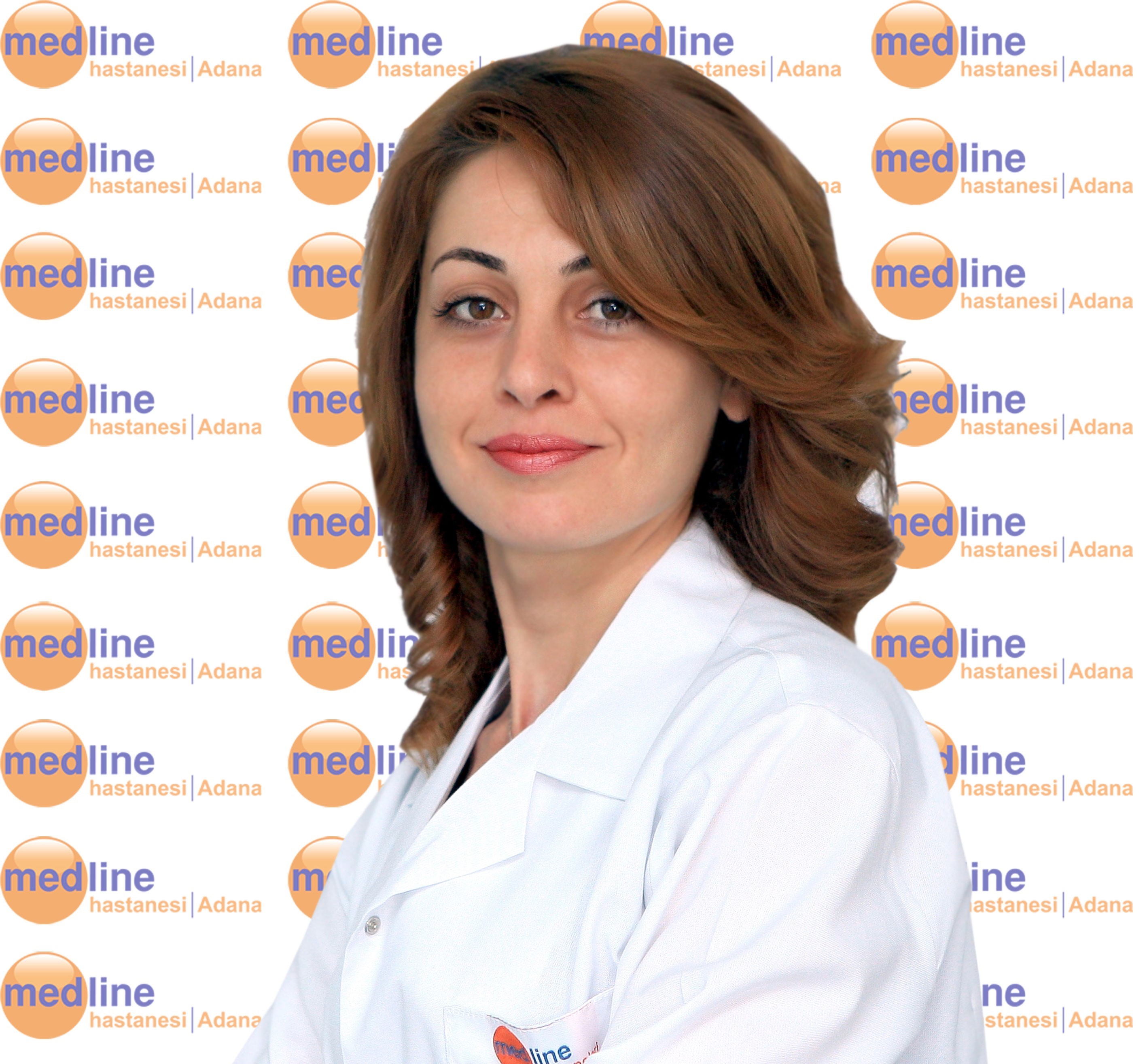
Internal Medicine Specialist Dr. Meriç Zeydan said that if care is not taken in extremely hot weather, undesirable consequences may occur for the elderly, those with chronic diseases and children.
Medline Adana Hospital Internal Medicine Specialist Dr. Meriç Zeydan pointed out that the high temperatures of the summer months not only overwhelm people, but can also cause some health problems. Noting that the successive heat waves, especially this year, have reached levels that endanger human health, Specialist Dr. Zeydan explained the most common health problems caused by high temperatures and the measures that can be taken.
Risk of heart attack
Stating that the human body loses fluid through sweating as well as urination in the summer months, Zeydan said, “On hot and muggy days, our heart has to pump more blood than usual to initiate sweating, which is the basic mechanism that cools our body. This increases the risk of stroke, rhythm disorders and heart attack for those with hypertension and arteriosclerosis and those who take medication for these diseases. In older individuals, due to the increased plaque load in the arteries, the vessels turn into a harder structure and there is a decrease in the feeling of thirst.”
Dr. Zeydan advised citizens to consume plenty of water to protect themselves from the risk factors that may arise from hot weather and said, “If possible, do not go out between 11.00 and 16.00 when the temperature is the highest. Wear light colored and cotton clothes. Eat light foods in your meals, without overdoing it,” Dr. Zeydan warned.
Diabetes patients are affected
Pointing out that with the intense sweating in the summer heat, an excessive amount of fluid and eloctrolytes, which are essential for the body, are lost, Zeydan said, “In addition, uncontrolled sugar also causes thirst in the body. For this reason, diabetic patients should not stay too long in the heat and should have their sugar measured at regular intervals throughout the summer.”
Dr. Zeydan continued as follows: “If you have diabetes, do not exert too much effort in hot weather, drink plenty of water and sugar-free drinks. Avoid foods with high glycemic index such as melons, watermelons and peaches, which are abundant in summer. The kidneys filter the harmful wastes of metabolism (urea, creatinine, uric acid, etc.) by diluting them with water and excrete them as urine. However, in individuals who drink less fluid than the daily requirement, the urine flow will slow down, making it easier to form urinary tract inflammation as well as stones. Kidney stones, which can sometimes be quite painful, can even cause kidney loss if left untreated. To prevent this, it is necessary to consume plenty of fluids. In addition, under normal conditions, an adult individual should urinate 6-7 times a day.”
Increased risk of skin cancer
Zeydan noted that the sun has many benefits such as providing vitamin D, which the human body needs, and said, “However, precautions must be taken to protect against the harmful effects of UV rays. Because UV rays have many long-term and short-term effects on the skin. These are in the form of painful burns, spots, peeling of dead skin in places where water collects, making the body open to infections, wrinkles and even cancer formation.” Dr. Zeydan drew attention to the importance of avoiding direct exposure to the harmful rays of the sun between 11.00-16.00 during the day and not using sunglasses sold under the stairs.
Brain functions slow down
Zeydan said that recent studies have shown that brain functions slow down in extremely hot weather, “As a result, thinking becomes difficult and problems with reasoning can occur. In addition, the heat increases the risk of the barrier between the blood and the brain, leading to protein and ion accumulation in the brain and subsequent inflammation. Extreme heat can also negatively affect mental health, leading to anxiety disorders and sleep disorders. In addition, heat and high humidity levels trigger migraine attacks.”
Specialist Dr. Zeydan recommended that cool and air-conditioned environments should be preferred, plenty of water and fluids should be consumed during the day and hats or umbrellas should be used when going outside.
İHA Haber Kodu: 20240808AW263357