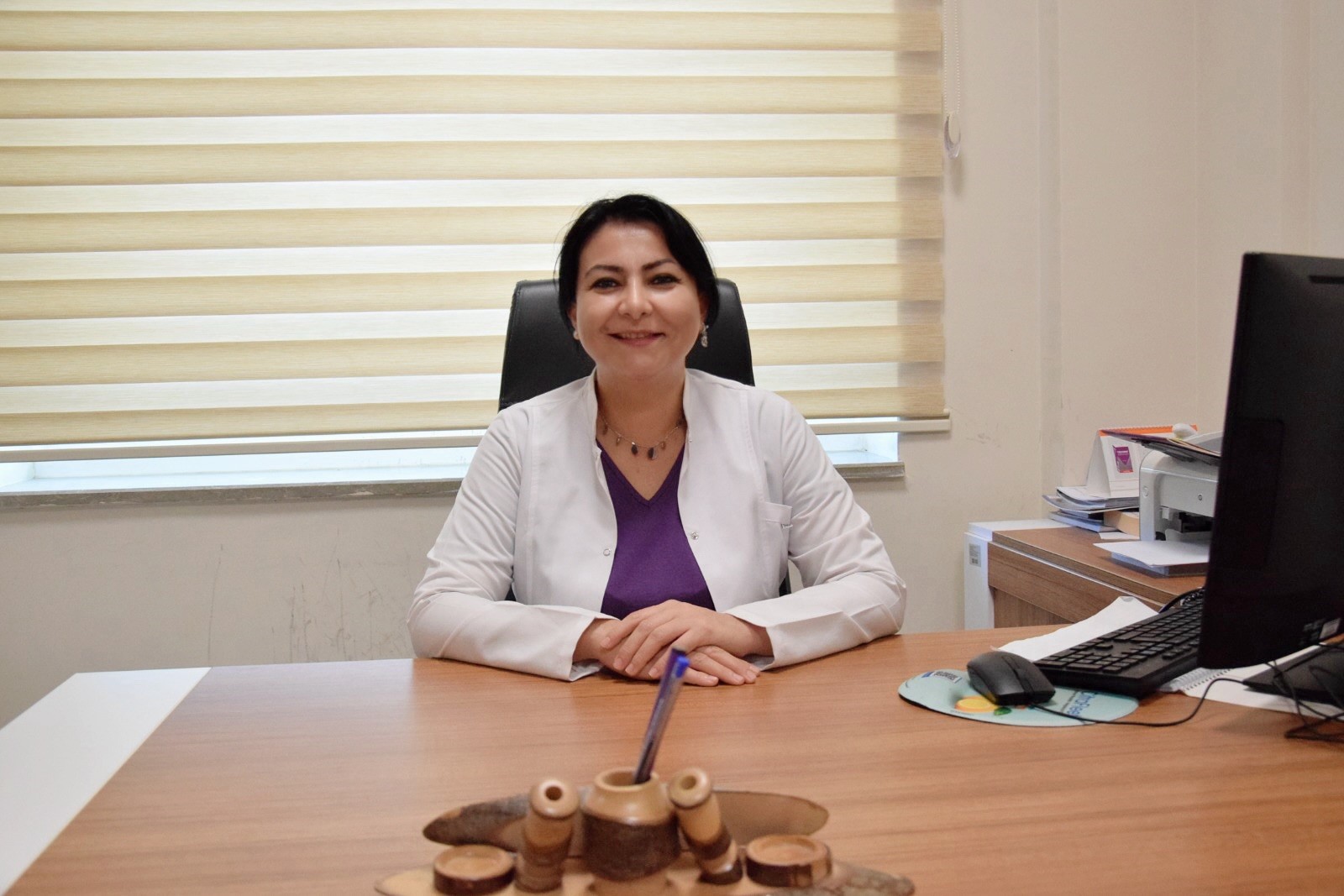
Düzce University Faculty of Medicine, Department of Infectious Diseases and Clinical Microbiology Dr. Lecturer. Prof. Dr. Dilek Akıncı gave information about the Monkeypox Virus (MPOX), which has been on the agenda in recent days.
Stating that the virus causes a flower-like disease, Dr. Dilek Akıncı stated that Mpox disease, formerly known as monkeypox disease, is not a new disease. Noting that the Monkeypox Virus has affected more than one hundred thousand people to date, Dr. Akıncı said, “It was detected in about 100 countries, including Turkey in 2022. 12 cases were reported from our country. For this reason, an emergency was declared by the World Health Organization in 2023, but it was taken under control with the necessary vaccines and measures and the emergency was terminated in 2023. But cases continued to be seen in small numbers. After 2023, an outbreak of the Soy 1 subtype 1b strain, which can cause a more severe disease, started in Africa. After this outbreak, more than 15,000 people became ill and more than 400 people died in the Democratic Republic of Congo alone from January 2024. For this reason, the World Health Organization declared a state of emergency for the Mpox outbreak again on August 14, 2024. However, no cases were seen in our country after the 2022 outbreak.”
Underlining that monkeypox virus (Mpox) is an infectious disease transmitted through close contact, Akıncı said, “Direct contact with skin rashes, body fluids or wounds of an infected person is the main route of transmission of the virus. Transmission can occur through skin contact, sexual intercourse or other physical contact. In the 2022 outbreak, sexual transmission was more common in men who had sex with men, whereas in the current outbreak it has been observed that it can also be transmitted through normal heterosexual intercourse. In addition, during prolonged face-to-face contact, respiratory droplets from an infected person can also be transmitted. The virus can also be transmitted through contact with infected people's clothing, bed linen or other personal items. Especially in Africa, biting, scratching or contact with bodily fluids of infected animals is another way of transmission.”
“It is thought that it will not reach as wide a mass as Covid-19”
Pointing out that the monkeypox virus (Mpox) is similar to smallpox, especially manifested by skin rashes and swelling of the lymph nodes, Akıncı said, “COVID-19 is a disease characterized by fever, cough and shortness of breath involving the respiratory tract. While respiratory transmission is more prominent in COVID-19, contact transmission is more common in Mpox virus. Mpox virus can also be transmitted by inhalation, but it does not spread as easily as COVID-19. For this reason, it is thought that it will not reach as large a mass as COVID-19. Because one of the reasons for the outbreak in COVID-19 was that there were undiscovered cases and they could transmit the virus to a greater distance through respiration. In Mpox virus, on the other hand, the most common transmission is seen in a close distance such as domestic or common living space.”
“The first symptom is usually fever”
Sharing the information that the symptoms of monkeypox disease appear 5-21 days after the virus is transmitted, Faculty Member Akıncı said, “However, as in most diseases, nonspecific findings such as fever, headache, muscle-joint pain, fatigue are seen at first. The first symptom is usually fever. Headaches can be severe, and muscle pain is common, especially in the back. The most important difference from some other rash diseases such as smallpox is swollen lymph nodes. One to three days after the fever, rashes appear, usually starting on the face and spreading to other parts of the body. These rashes start as lesions, then turn into fluid-filled blisters and then into pus-filled pustules. The pustules crust over and may leave scars when the crusts fall off. The most common diagnostic method is to take a swab sample from the lesions on the body and test it with the method we call PCR.”
Giving information about the measures that can be taken to protect against monkeypox virus, Dr. Akıncı pointed out that the virus focuses on reducing direct contact with infected people as it is based on transmission routes. Underlining the need to stay away from infected people and items such as personal items, clothes and sheets used by these people, Akıncı said, “It is important to wash hands frequently or use alcohol-based hand sanitizer, clean surfaces and personal items frequently. Caregivers or healthcare workers who care for infected people should use personal protective equipment such as masks, goggles and gloves. The most important factor to prevent the spread of the disease is the isolation of infected people.”
“There is no specific antiviral treatment for Mpox”
Stating that there is no specific antiviral treatment for monkeypox virus, Düzce University Faculty of Medicine, Department of Infectious Diseases and Clinical Microbiology Dr. Lecturer. Prof. Dr. Dilek Akıncı said, “However, some treatment methods are used to alleviate symptoms and prevent complications. Supportive treatment is mostly applied for pain, fever and itching. In severe cases and in immunocompromised individuals, antiviral drugs such as Tecovirimat can be used. This medicine is approved for the treatment of Mpox in the USA and Europe. However, it is not available in all countries. There are some vaccines that have been developed against smallpox and are thought to protect against the Mpox virus. However, vaccines are currently recommended for individuals who are at risk, such as those with immunocompromised diseases and healthcare workers or contacts.”
İHA Haber Kodu: 20240917AW289038