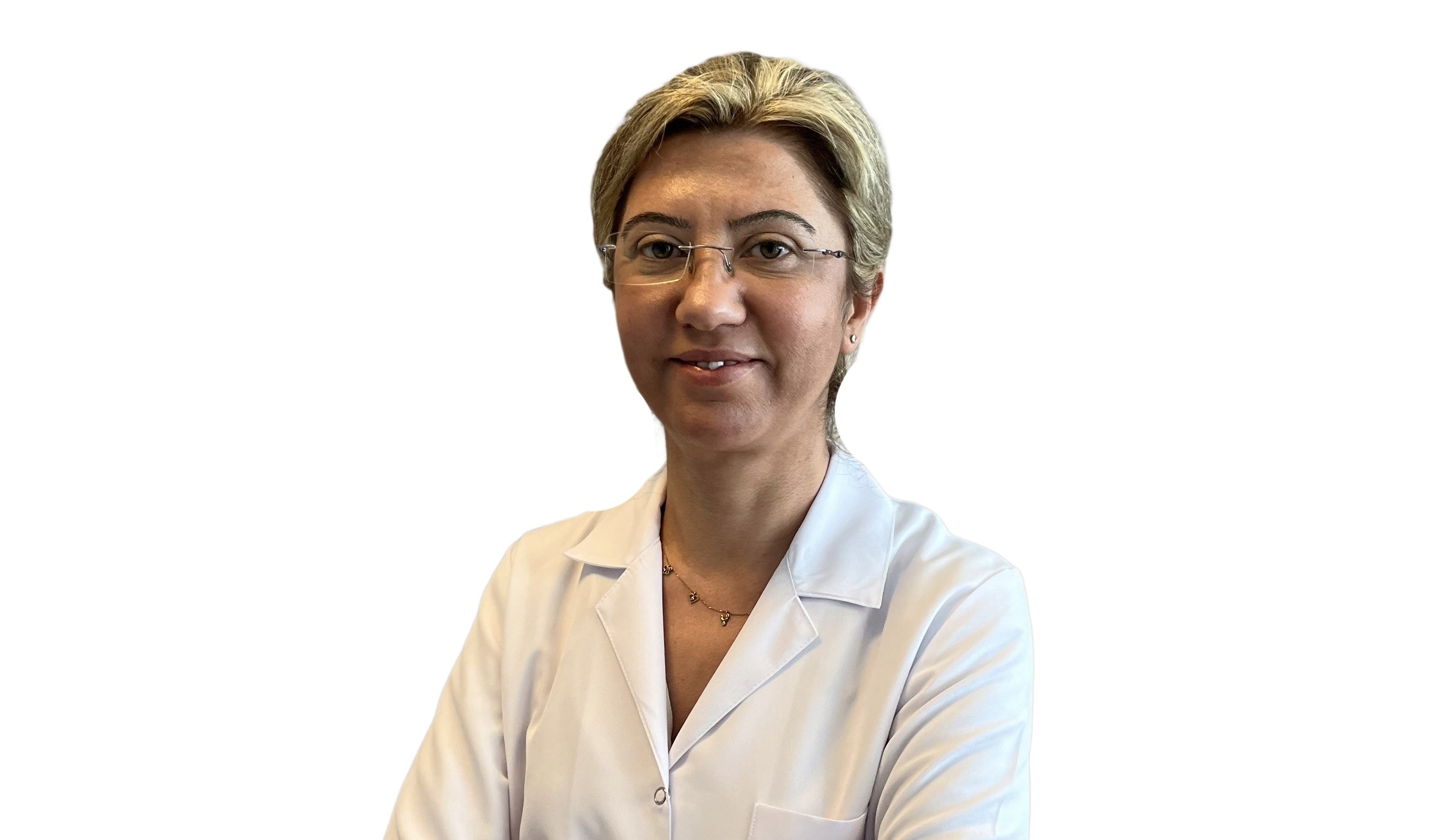
Medical Oncology Specialist Assoc. Prof. Dr. Özlem Nuray Sever stated that staying in the sun for a long time increases the possibility of skin cancer. Stating that 90% of cases are caused by the sun, she stated that there are different types of cancer. She pointed out that the incidence of melanoma has increased dramatically in the last 10 years. Stating that solarium also increases this risk, Sever said that moles on the body should be carefully monitored. He said that early diagnosis has increased in the treatment of skin cancer and that it is possible to cure cancer in this way. He mentioned important information about recommendations to prevent skin cancer and what to pay attention to in treatment.
Pointing out that the incidence of melanoma (skin cancer) has increased dramatically worldwide, Medical Oncology Specialist Assoc. Prof. Dr. Özlem Nuray Sever said, "This increase may be associated with higher levels of sun exposure, tanning, an increase in the aging population and improvement in skin cancer detection." Stating that skin cancer (melanoma) is increasing rapidly in the world, Medical Park Bahçelievler Hospital Medical Oncology Specialist Assoc. Prof. Dr. Özlem Nuray Sever said, "Although the incidence of skin cancer is increasing worldwide, mortality rates are starting to decline, possibly due to increased early detection studies and significant breakthroughs in advanced melanoma treatment. This increase may be associated with higher levels of sun exposure, tanning, an increase in the aging population and improvement in skin cancer detection."
Stating that skin cancer is a type of cancer caused by abnormal and uncontrolled growth of skin cells, Assoc. Prof. Dr. Özlem Nuray Sever said, "There are 2 main types of skin cancer; melanoma and non-melanoma. The two most common types of non-melanoma skin cancer are called Basal Cell Carcinoma (BCC) and Squamous Cell Carcinoma (cSCC)." "More than 90 percent of cases are sun-induced "Underlining that more than 90 percent of cases are caused by exposure to ultraviolet radiation from the sun, Assoc. Dr. Sever pointed out that this exposure increases the risk of all three main types of skin cancer. "Solarium also increases the risk "Underlining that exposure has increased due to the partial thinning of the ozone layer, Assoc: "In addition to the sun, solarium is another common source of ultraviolet radiation.
The sun usually affects fair-skinned people who burn easily. The harmful effects of the sun accumulate over time. The more you are exposed to the sun during your lifetime, the higher your risk of skin cancer. Although ultraviolet (UV) radiation is the most important risk factor, other identified risk factors include chronic arsenic exposure, radiation therapy, long-term immunosuppressive (immunosuppressive) treatment and some genetic factors.""Follow the moles on your body carefully "Pointing out that non-melanoma skin cancer can occur anywhere on the skin, Assoc. Sever stated that it is often found on the head, face, neck, back of the hands, arms and legs, and the reason for this is that these parts of the body are the parts most exposed to sunlight. Expressing that non-healing changes in the skin are seen in non-melanoma skin cancers, Assoc. Prof. Dr. Sever said, "These can usually be in the form of pink or red hard lesions, crusted or scaly lesions and bleeding lesions.
Among the symptoms of melanoma, dark-colored, bleeding lesions are more common. Sometimes melanoma can be mistaken for a normal mole. For this reason, follow-up of moles is important." "The incidence has increased in the last 10 years "Stating that the incidence of melanoma has increased dramatically worldwide and that mortality rates have begun to decline, possibly due to increased early detection efforts and significant breakthroughs in advanced melanoma treatment, Assoc. Prof. Dr. Sever said, "Since there are no BCC and cSCC records in most countries, the incidence is not clearly known.
However, we know that the incidence of both BCC and cSCC has increased in the last 10 years. This increase may be associated with higher levels of sun exposure, tanning, an increase in the aging population, and improvement in skin cancer detection." Suggestions to prevent skin cancer Stating that skin cancer can be prevented by protecting the skin from sunlight, Assoc. Prof. Dr. Sever listed the things that can be done to reduce the likelihood of developing skin cancer as follows: "Stay out of the sun in the middle of the day (from 10.00 to 16.00). Apply sunscreen and reapply frequently. Wear a wide-brimmed hat, long-sleeved shirt or long pants. Avoid tanning and solarium. Be extra careful near water, snow and sand.
Get vitamin D safely through food and vitamin D supplements. Choose a sunscreen that offers an SPF of 30 or higher, is water-resistant and provides broad-spectrum protection (protection against UVA and UVB rays). Apply sunscreen about 15 minutes before going outside. Reapply sunscreen every two hours or after swimming or sweating, according to the product label. "Things to consider in treatmentDoc. Dr. Sever explained the treatment of non-melanoma skin cancer, one of the types of skin cancer, as follows: "Surgery: Skin cancer is usually treated with surgery. Doctors can perform different types of surgery to treat skin cancer.Radiation therapy: Radiation kills cancer cells.
It can be used when surgery is not possible.Skin creams: Medicines in these creams can kill cancer cells.Photodynamic therapy: Photodynamic therapy kills cancer cells. In this therapy, the doctor uses a special cream and a special light to treat skin cancer. "Assoc. Prof. Dr. Sever listed the treatments that doctors may recommend for certain types of non-melanoma skin cancer that cannot be treated as follows: "Immunotherapy: Immunotherapy is the term used to describe drugs that work with a person's immune system to stop cancer from growing: Targeted therapy is the term used to describe a group of drugs that only work on cancers with certain characteristics.
These drugs usually work by blocking a specific protein or molecule. "Referring to how melanoma will be treated, Assoc. Prof. Dr. Sever said the following: "Most people with melanoma have one or more of the following treatments, depending on the stage:Surgery: Melanoma is usually treated with surgery to remove the cancer. Most people need more surgery, even if the biopsy appears to have removed the entire abnormal area. During surgery, the doctor may also check nearby lymph nodes to see if the melanoma has spread throughout the body. Immunotherapy Targeted therapy. Radiation therapy. Chemotherapy: Chemotherapy is the medical term for drugs that kill cancer cells or stop their growth."
İHA Haber Kodu: