Medicana Urology Department Doctor Op. Dr. Aghayev: “Obesity and ethnicity increase the risk of prostate cancer”
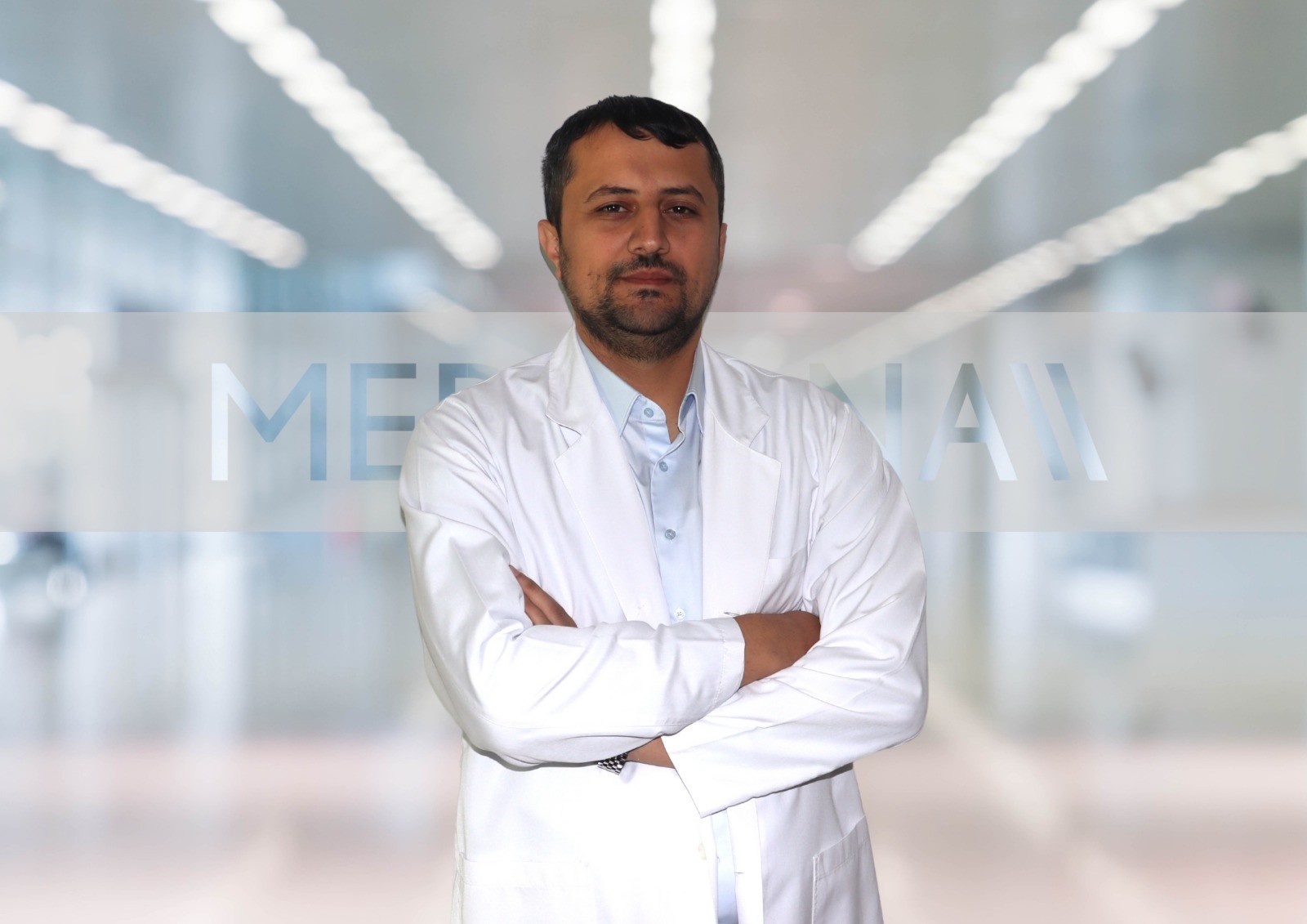
Dr. Anar Aghayev from Medicana Health Group Urology Department stated that factors such as age, genetic predisposition, ethnicity and obesity increase the risk of prostate cancer.
Op. Dr. Anar Aghayev from Medicana Health Group Urology Department made statements about prostate cancer. Stating that approximately 1.4 million men worldwide are diagnosed with prostate cancer every year and deaths due to this disease are over 375 thousand, Aghayev said that a similar picture is seen in Turkey, and that one in every 12 men in Turkey encounters prostate cancer at some point in his life.
Stating that the awareness of prostate cancer in the society is not at the desired level, Aghayev said, “Although the symptoms of prostate cancer in general are in the form of urinary system symptoms, it can include a wide range of symptoms such as back pain and upper respiratory system problems depending on the spread of cancer cells in advanced prostate cancer. Some people may even have no symptoms at all. In general, the most common symptoms of prostate cancer originating from the urinary system include pain and burning during urination, difficulty starting urination, frequent urination at night, intermittent urine flow, blood in urine or semen, feeling of not being able to empty the bladder completely, painful ejaculation. It should be kept in mind that all these symptoms can also occur in benign prostate enlargement and with the effects of other diseases on the urinary system. For this reason, regular prostate checks are vital.”
“Obesity increases the risk of prostate cancer”
Drawing attention to the risk factors of prostate cancer, Aghayev stated that factors such as age, genetic predisposition, ethnicity and obesity increase the risk of prostate cancer. Stating that the risk is higher especially in people with a family history of prostate cancer, Op. Dr. Aghayev also underlined that studies have revealed that prostate cancer is more common in black men. Stating that nutrition can also affect the risk of prostate cancer, Aghayev said that foods such as green tea, spinach and kale reduce the risk, while excessive alcohol consumption can increase the risk.
PSA test is an important tool for diagnosis
Giving information about the methods used in the diagnosis of prostate cancer, Dr. Aghayev continued his speech as follows:
“One of the most important tests for early diagnosis is the PSA (Prostate Specific Antigen) test. This test is an important tool for assessing the risk of prostate cancer. Finger rectal examination is also of great importance in detecting prostate cancer. In addition, Multiparametric Prostate MR Imaging provides a clearer evaluation of the prostate. In this method, the patient is given intravenous contrast material and MRI is performed and the lesions in the prostate can be graded in terms of cancer. This method has become a routine procedure before prostate biopsy. Prostate biopsy, one of the diagnostic methods, is performed by sampling tissue from the rectum or perineum under ultrasound or MR guidance in order to obtain definitive results in cases where test results indicate prostate cancer.”
“Treatment options are determined individually”
Stating that many different methods can be applied in the treatment of prostate cancer according to the condition and stage of the disease, Anar Aghayev said, “Methods such as surgery, radiotherapy, hormone therapy and chemotherapy are used according to the stage of the disease. In the early stages, regular follow-up of the patient with a method called active follow-up is also an option. Surgical treatment is often preferred in early stages. Radical prostatectomy surgery, in which the entire prostate is removed, can be performed open, laparoscopically or robotically.”
“Regular follow-up increases the chance of early diagnosis”
Finally, drawing attention to the risk of recurrence of prostate cancer, Op. Dr. Aghayev said, “The earlier prostate cancer is diagnosed, the higher the success of treatment. It is possible to completely get rid of the disease with regular checks, early diagnosis and timely intervention. The important thing is that all men have regular check-ups after a certain age.”
İHA Haber Kodu: 20240914AW287286