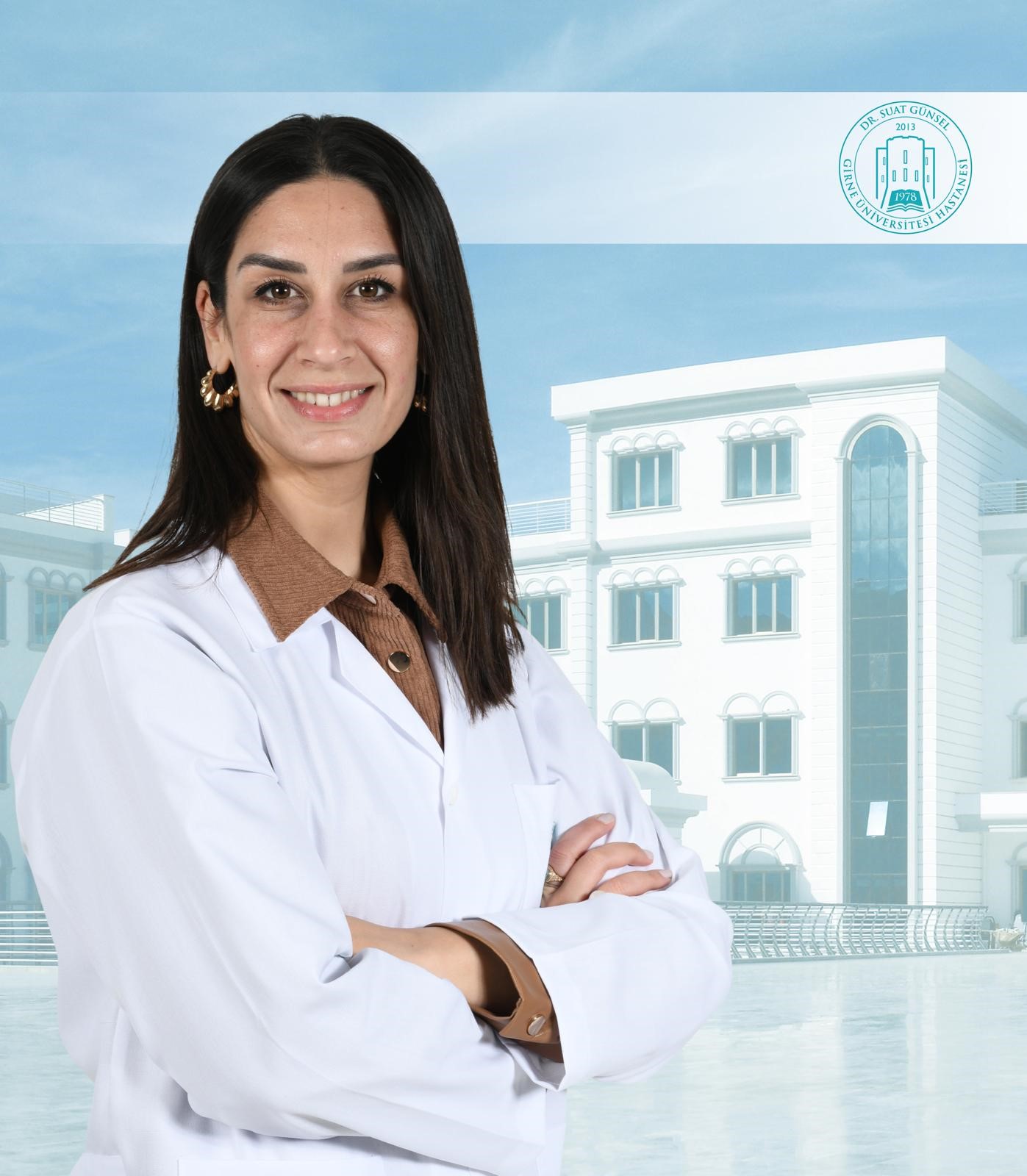
Making a statement on World Alzheimer's Day, Dietitian Fatoş Nadiroğlu said that the Mediterranean diet provides a natural shield against Alzheimer's.
Alzheimer's, one of the most common dementia diseases today, is known for causing a decrease in thought, memory and behavioral functions. There is no definitive treatment for the disease, which starts with the death of brain cells and progresses from mild forgetfulness to serious symptoms that make daily life difficult. However, many habits that can be included in daily life can reduce the risk of Alzheimer's. The Mediterranean diet is one of these habits.
Dr. Suat Günsel University of Kyrenia Hospital Specialist Dietitian Fatoş Nadiroğlu pointed out that the Mediterranean diet plays an important role in preventing Alzheimer's disease and slowing its progression with her statement on “World Alzheimer's Day”. Stating that genetic and environmental factors as well as social and psychological factors and lifestyle are effective in the emergence of Alzheimer's disease, Uzm. Dyt. Nadiroğlu said, “Saturated fatty acids, excessive alcohol, smoking and high-calorie diets are among the factors that increase the risk of Alzheimer's. However, the Mediterranean diet stands out with its protective effect against the disease and in reducing the risk factors of the disease.”
Strong protection against Alzheimer's with a Mediterranean diet
Emphasizing that the Mediterranean diet provides a slowdown in the course of Alzheimer's disease, Uzm. Dyt. Nadiroğlu drew attention to the content of this nutrition model. Stating that plant sources such as fruits, vegetables, whole grains, legumes, olive oil, oily seeds such as fish, walnuts, hazelnuts, fermented dairy products and white meat are the basic elements of the Mediterranean diet, Uzm. Dyt. Nadiroğlu said, “Research shows that a nutritional model based on these foods is effective in preventing Alzheimer's.”
How should nutrition be planned in advanced Alzheimer's patients?
Reminding that in the later stages of Alzheimer's, patients have difficulties in skills such as speaking and performing daily tasks, Uzm. Dyt. Nadiroğlu touched on the factors that patient relatives should pay attention to in the nutrition process. “It is important that meals are served on simple and distraction-free, patternless plates. In addition, devices such as televisions or tablets should not be turned on during meals.”
It is important to make sure that the patient swallows the food as it is. Dyt. Nadiroğlu said that the temperature of the food should be controlled and hard-to-chew foods should be cut into small pieces or pureed. Stating that senses such as taste, hunger and thirst may weaken with the progression of the disease, Uzmanm. Dyt. Nadiroğlu stated that malnutrition and muscle weakness may occur in this case. She added that a multidisciplinary approach should be followed with health professionals such as doctors, dieticians and physiotherapists during the treatment process.
İHA Haber Kodu: 20240921AW292060