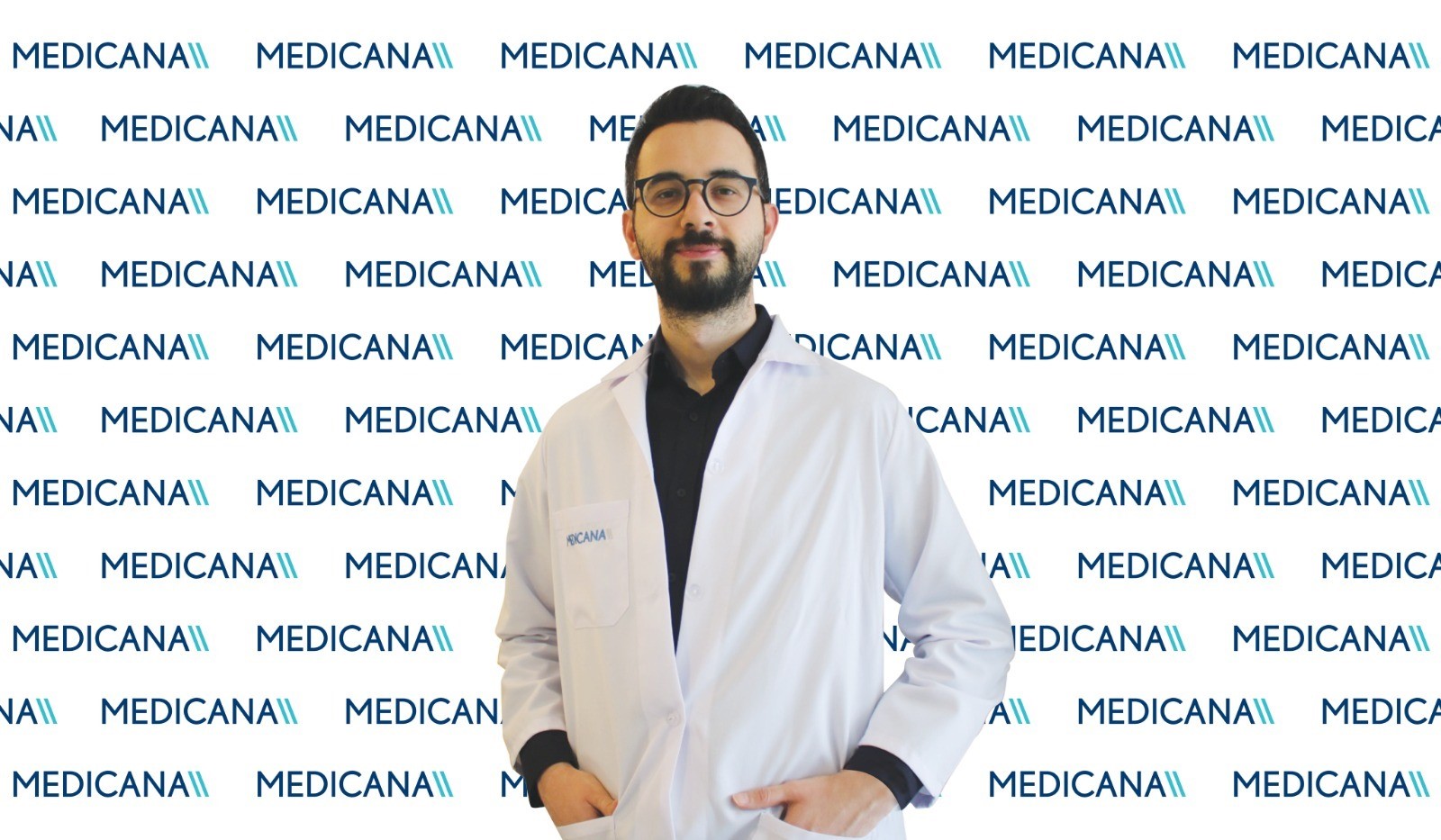
Psychiatry Specialist Dr. Ömer Öz stated that in the first processes when the diagnosis of the disease is learned, expectations such as the person to remain calm, strong and upright can make people feel more under pressure, and said that the best thing that can be done to human pain is to be sensitive to that pain and to bear the pain together.
Dr. Ömer Öz, Psychiatry Specialist at Medicana Bursa Hospital, said, “Most people interpret this disease situation that has happened to them as a result of the information they have heard from their environment and acquired in the past and determine their reactions accordingly. In this respect, the name 'cancer' includes the connotations of 'a painful and hopeless path' as a label in society. It is difficult for most people to put their future plans on the shelf and immediately adapt to treatment from the moment they first hear about it. This is because people want to maintain their current peaceful state, they want to activate their control mechanisms in order not to be worse than they are now, and they ignore a disease state. It takes a certain amount of time to adapt, in other words, to take the time to think about questions such as what the treatment process will be like, how the person's future will be shaped, how they will relate to other people. In the early stages of learning about the diagnosis, expectations that the person should remain calm, strong and upright may make people feel under more pressure. Because it can be a normal reaction to be in a state of anxiety, sadness and panic as a human being in challenging situations.”
Stating that one of the biggest difficulties of a cancer diagnosis is the thought of being thrown into a permanent uncertainty, Öz said, “One has to be informed about a lot of processes such as examinations, surgeries, pathology results, chemotherapy process, whether he/she can return to work or not, the risk of infection, and this new information is not information learned to pass an exam or to increase the level of culture, but information that directly concerns one's own life. Each day of hospitalization can trigger a different level of tension and anxiety. Having physicians, nurses and healthcare professionals who can support you in this process and provide you with information will make it easier for you to get rid of the uncertainties in your mind. The best thing we can do for human suffering is to be sensitive to it and to bear it together. Physicians, healthcare professionals and patient relatives have a great responsibility in this regard. The question marks in their minds can be factors that push people into uncertainty and cause despair about the treatment, so it is important not to hesitate to ask questions to get detailed information and to know your process. While asking these questions, it is important to remember that each person is different from each other and treatment processes may vary, so what happens to another person is only a guess, not a certainty that it will happen to you.”
Pointing out that after receiving a cancer diagnosis, most people experience resentment and regret for some reasons in their past lives, Öz said, “Blaming oneself or the environment is quite common. Yes, if you had done some things differently in your past life, maybe you would be in a different situation now. However, the scenarios that you dream of and believe that the situation you believe will be better now is just a guess. If it is not possible to change this now, looking at what we can do from now on, embracing our treatment, and trying to keep our human relationships healthy will provide a longer-term benefit. After a cancer diagnosis, there may be questioning and disappointment that life is not fair, that you do not deserve what has happened to you. However, with your changing life, the things you are happy about and feel good about also begin to change and transform. Knowing that the situation we are in is actually a process that happens to us in the course of nature, over which we have no control, can reduce our rebellion and anger about it. The only thing we have control over is our own behavior, and taking ownership of the treatment and following the recommendations of the physicians will make us feel more confident in the course of the disease. On the other hand, the most important thing for the relatives of the patient during the cancer treatment process is to respect the patient's decisions and try to listen to them without getting tired. Although sometimes insistent and coercive treatments or behaviors are required for the benefit of the person, it is very important to explain this to the person at a level he/she can understand and to convey to the other party the reason for this request. Other people's looks, words and behaviors have a great impact on people diagnosed with cancer, so it is good for both parties to be able to convey that we respect the other person and that we care about their decisions. Having a disease should not mean that the decisions that that person can make about his/her life disappear.”
Stating that cancer diagnosis should not be seen as a 'hopeless path' with the hope that the ever-evolving medicine will save millions of lives in cancer treatment, Öz said, “I would like to state that receiving psychological support during the disease process can be beneficial in reducing the difficulties of the disease. Our aim in treatment is not to eliminate the pain, not to make people unresponsive to their illnesses, but to try to explain to the other side that illnesses are something that happens to us against our will, that although it hurts, it can teach us a lot. We should know that it would be beneficial for the person himself/herself and his/her relatives to get support from a specialist for people who have mental difficulties due to a cancer diagnosis.”
