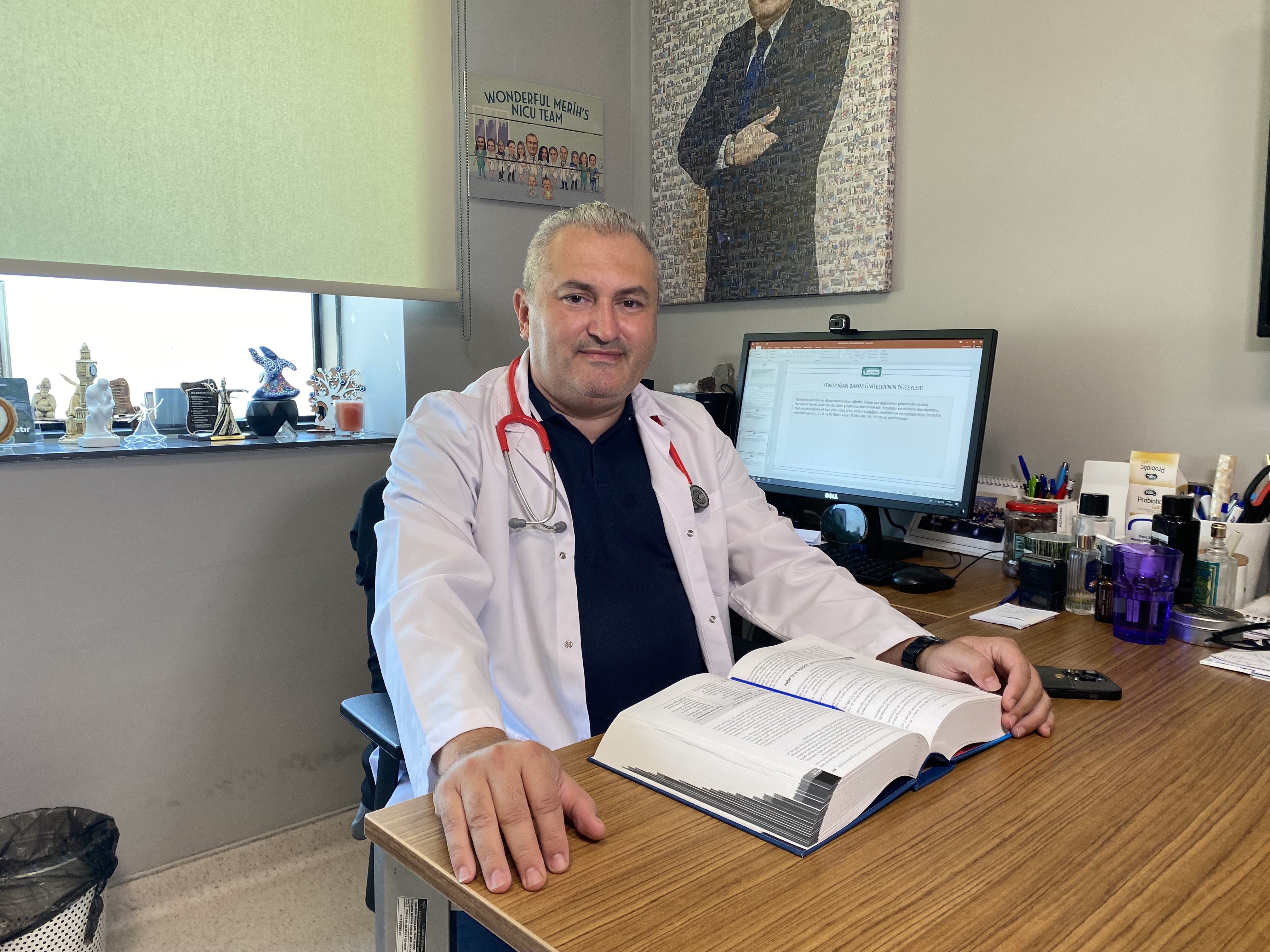
Stating that breast milk should be in the first place in infant nutrition, Neonatologist Prof. Dr. Merih Çetinkaya said, “Studies conducted in our country have shown that giving substances that the baby's body cannot digest and the baby's kidneys cannot excrete, which we call complementary foods from the 2nd month onwards, causes both the growth of those babies to lag behind and the emergence of many allergic diseases. Breast milk is actually the first vaccine of a baby, breastfeeding the baby within the first 1 hour, feeding the baby only with breast milk for the first 6 months, starting complementary foods after the 6th month and continuing to feed the baby with breast milk at least until the age of 2.”
Breast milk, which is the basis of the newborn baby's nutrition, provides great gains for both mother and baby. Experts frequently emphasize that breast milk is very important for the healthy growth and development of the baby, providing the emotional bond between mother and baby, protecting against many diseases, as well as reducing the risk of food allergies, eczema and asthma. Prof. Dr. Merih Çetinkaya, Head of the Newborn Clinic at Başakşehir Çam and Sakura City Hospital, gave information on many issues such as the use of breast milk and complementary feeding. Drawing attention to the importance of feeding the baby exclusively with breast milk for the first 6 months, Prof. Dr. Çetinkaya made important warnings to mothers and expectant mothers.
“Exclusive breastfeeding for the first 6 months”
Stating that no product can replace breast milk, Newborn Specialist Prof. Dr. Merih Çetinkaya said, “As soon as the babies are born, the mother and the baby should come together within the first 1 hour to ensure that the baby is breastfed and the baby should be fed exclusively with breast milk for the first 6 months, and after the 6th month, complementary foods should be started and breastfeeding should continue at least until the age of 2. Breast milk is actually a baby's first vaccine, it protects the baby against many infections with the antibodies it contains. At the same time, it contains many different components, these can be summarized as the most important nutrient that ensures the proper growth of the baby, the development of the baby's brain functions and protection against many diseases in the future.”
“Any complementary nutrition started early can cause many allergic diseases
Prof. Dr. Merih Çetinkaya stated that the issue of working mothers sometimes not being able to devote enough time to their babies is a frequently discussed issue in the world and said, “It is defined as breastfeeding inequality. There are ongoing studies on how to improve issues such as working mothers not being able to devote enough time to their babies, not having enough leave or not having areas where they can breastfeed and express milk in the places where they work. Our country continues to support working mothers at the level of our ministries. I strongly recommend that they continue breastfeeding for 6 months. When a baby is breastfed, it is not even necessary to give water because the content of breast milk, with its nutrients and other components, is sufficient for the growth of that child. If the baby's growth continues at the appropriate rate, it is extremely important to give breast milk alone until the 6th month. If you give it earlier, I can say that it is much more likely to cause diseases, especially allergic reactions, if it is started early because the baby's intestines and digestive system are not fully ready for these foods and cannot digest them. Studies conducted in our country have shown that mothers actually continue breastfeeding up to 16 months, but from the 2nd month onwards, giving substances that cannot be digested by the baby's body and excreted by the kidneys, which we call complementary foods, causes the growth of those babies to lag behind and also causes the emergence of many allergic diseases. From the 6th month onwards, we know that it is not enough for the baby to grow, so we say that we should start complementary feeding in the 6th month. We want them to trust the content of breast milk. The content of breast milk is organized in a way to ensure the growth of a baby, and it is extremely important for them to know that they cannot meet this with the supplementary foods they give. I would like to remind once again that any complementary feeding started early may have side effects on the baby, especially many allergic diseases, and that their intestines and kidneys and other organ systems are not sufficient to digest and excrete them.”
