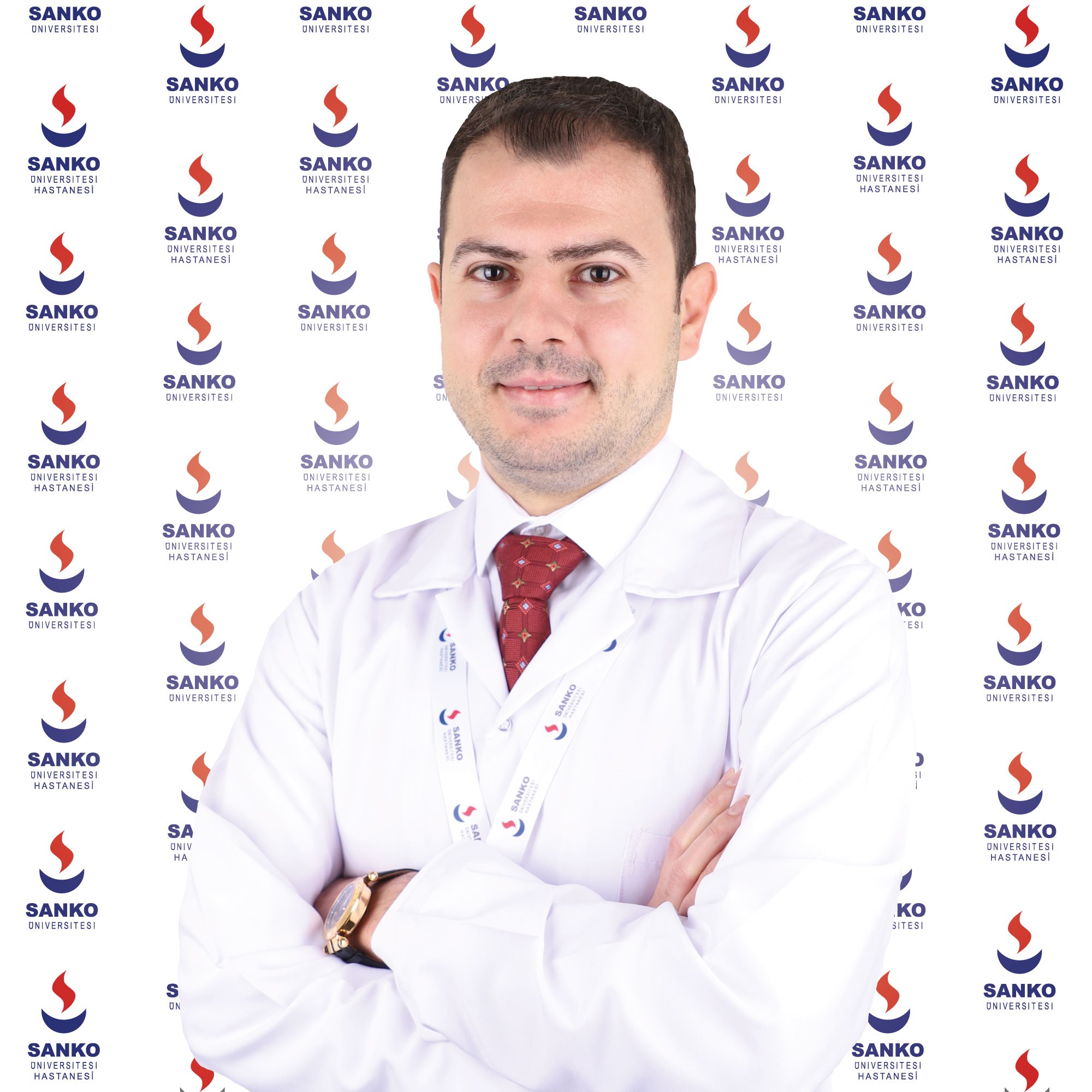
SANKO University Faculty of Medicine, Head of the Department of Physical Medicine and Rehabilitation, Dr. Lecturer. Member Mehmet Emre Kurtgil said that osteoporosis, which is characterized by low bone mass and deterioration of bone structure, leads to deterioration of bone strength and increased risk of fracture.
Making a statement on October 20 World Osteoporosis Day, Dr. Lecturer. Prof. Dr. Kurtgil stated that osteoporosis and osteoporosis-related fractures are common causes of disability and loss of life in older adults.
Reminding that osteoporosis causes over 8.9 million fractures annually worldwide and that an osteoporosis-related fracture occurs every 3 seconds, Dr. Assist. Prof. Dr. Kurtgil said, “Approximately one tenth of 60-year-old women, one fifth of 70-year-old women, two fifths of 80-year-old women and two thirds of 90-year-old women are affected by osteoporosis, which is estimated to affect 200 million women worldwide.”
Prof. Dr. Assist. Prof. Dr. Kurtgil pointed out that one in every 3 women over the age of 50 and one in every 5 men over the age of 50 will experience osteoporotic fractures. “Osteoporosis occurs either due to a decrease in bone formation or an increase in bone destruction or when both conditions are seen together,” said Dr. Assist. Prof. Dr. Kurtgil stated that while osteoporosis is mostly seen in elderly patients due to a decrease in bone formation, osteoporosis is seen in postmenopausal women due to an increase in bone destruction.
Providing information about the conditions that increase the risk of osteoporosis, Dr. Lecturer. Prof. Dr. Kurtgil noted the following: “Female gender, advanced age, menopause, presence of osteoporosis in the family, very low weight compared to height, low calcium and vitamin D-containing nutrition, long-term use of certain medications, especially cortisone, a sedentary lifestyle or prolonged bed rest, alcohol and cigarette use, chronic diseases, rheumatic diseases and cancer are conditions that increase the risk of osteoporosis”.
Osteoporosis symptoms
Stating that osteoporosis is considered a silent disease because it usually does not give any symptoms until the first fracture occurs, Dr. Lecturer. Prof. Dr. Kurtgil continued as follows: “Fractures can cause chronic pain, disability, depression, decreased quality of life and increased incidence of loss of life. Back and waist pain, shortening in height, easy fracture of bones, deformities of the spine, especially hunchback, are symptoms of osteoporosis. Osteoporosis-related fractures are most common in the spine, second most common in the hip and third most common in the wrist. Spinal fractures are a harbinger of future fracture risk. Hip fractures usually occur after a fall. Spinal fractures in the back can cause restrictive lung disease and worsening of lung function in those with pre-existing lung disease. Spinal fractures in the lumbar region can cause gastrointestinal symptoms such as early satiety, decreased appetite, abdominal pain, constipation and bloating.”
Diagnosis and screening
Emphasizing that the World Health Organization defines osteoporosis using bone mineral density and T score, Dr. Lecturer. Prof. Dr. Kurtgil said: “Bone mineral density measurement is performed using dual-energy x-ray absorptiometry (DXA) in the hip and spine. Bone mineral density measurement is recommended for all women entering menopause and all women over the age of 65. Bone mineral density measurement is also recommended for all young people and men with risk factors for osteoporosis. It is recommended to measure bone mineral density once a year for those with low bone mineral density and undergoing treatment, and once every 2-3 years if there are no risk factors and bone mineral density is normal”.
Treatment
Explaining that osteoporosis is a treatable and preventable disease, Dr. Lecturer. Prof. Dr. Kurtgil said, “Our aim in treatment is to prevent fracture formation by improving bone quality and strengthening the bone. Nutrition, exercise, risk reduction and drug treatments are used in osteoporosis.”
Prevention
Pointing out that healthy adults should be counseled to prevent osteoporosis, Dr. Lecturer. Prof. Dr. Kurtgil stated that prevention strategies include nutrition, exercise and lifestyle factors. Stating that adequate calcium and vitamin D intake is necessary in the diet, Dr. Assist. Prof. Dr. Kurtgil said, “Calcium-rich nutrition such as yogurt and cheese consumption, which are milk and dairy products, is important. Sardines, salmon, lentils, beans, almonds, hazelnuts, peanuts, green leafy vegetables, sesame, dried fruits are among the foods that contain high calcium. The recommended calcium intake for postmenopausal women and men over the age of 70 is 1200 mg/day. The most important source of vitamin D is the sun. It is necessary to sunbathe for 15 minutes between 11.00 -15.00 hours. However, if the sun is not sufficiently utilized, it may be necessary to take vitamin D supplements. The recommended daily intake of vitamin D is 600 to 800 IU. Many older adults, especially those with low dietary intake or those at risk of vitamin D deficiency (e.g. patients who do not go out of the house), benefit from supplementation.”
Exercise
Emphasizing that exercises should be done especially against gravity and load-bearing exercises, Dr. Lecturer. Prof. Dr. Kurtgil said, “Walking on flat ground for 30 minutes at least 3 days a week is one of the ideal exercises for osteoporosis. In addition, muscle strengthening exercises for the back and waist, balance exercises can be added to the exercise program.”
İHA Haber Kodu: 20241019AW311466
