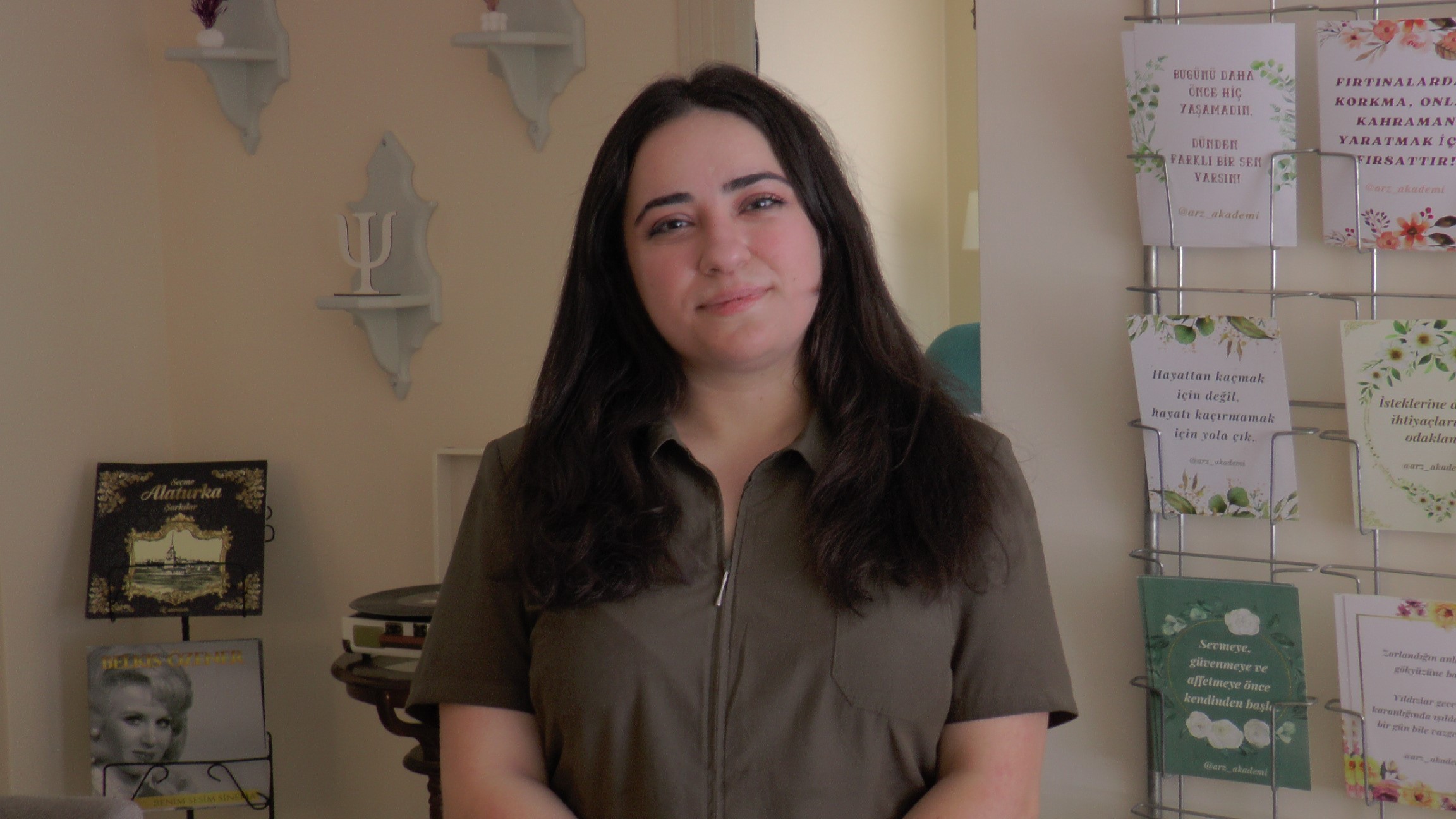
Expert Psychologist Arzu Hamurcu said that psychological symptoms can be seen in people during the transition from summer to winter and said, “The decrease in daylight can cause depression by causing a decrease in hormones.”
Stating that the most important reason for the symptoms is the decrease in daylight, Expert Psychologist Arzu Hamurcu said, “In summer, there is actually a seasonal transition with the hot weather leaving its place to winter and cold weather. As symptoms of this seasonal transition, we see many symptoms such as low energy, weakness, difficulty in focusing, slowdown in daily activities, apathy, increase or decrease in appetite, decrease or increase in sleep, which we see most psychologically. One of the biggest reasons for this is actually related to the decrease in daylight. In other words, our hormones are affected by less secretion of melatonin and serotonin hormones and we may become more sleepy. We can develop our routines that are more reluctant and lose more of our focus. At this point, we say that seasonal depression can be seen in many people, but we can underline that it is temporary. This can be a symptom of depression that will last 2-3 weeks as much as possible. If a longer form of this is seen, it should not be neglected to go to a specialist or doctor and get treatment.”
Hamurcu said that in case of depression, an emotion diary can be kept and the emotions felt can be noted, “When we look at what we can do at home or what we can do outside to overcome this ourselves; one of the most important points is to keep ourselves social and active, that is, to be able to return to our routines as much as possible and most importantly to benefit from daylight. Staying in sunny areas as much as possible, making more use of daylight, exercising regularly, eating regularly, keeping our sleeping hours at a regular interval will actually make us happier and less likely to get depressed. In the same way, you can keep an emotion diary. This is one of the techniques that we recommend and that works very well. What we call an emotion diary is actually noting in a notebook which emotion we are in during the day. This can also be something that can be done at the end of the day. You can keep a small notebook at that moment and write in that notebook at that moment. The important thing is to write down which emotion you are in and what triggers this emotion and then move on to the next emotion. The thing to realize in this is that these emotions are temporary. We are the sky and our emotions are the weather. At this point, we actually care about not giving in to the weather.”
İHA Haber Kodu: 20240906AW282195