Prof. Dr. Arslan: “It is possible to visualize and treat heart vessels with coronary angiography”
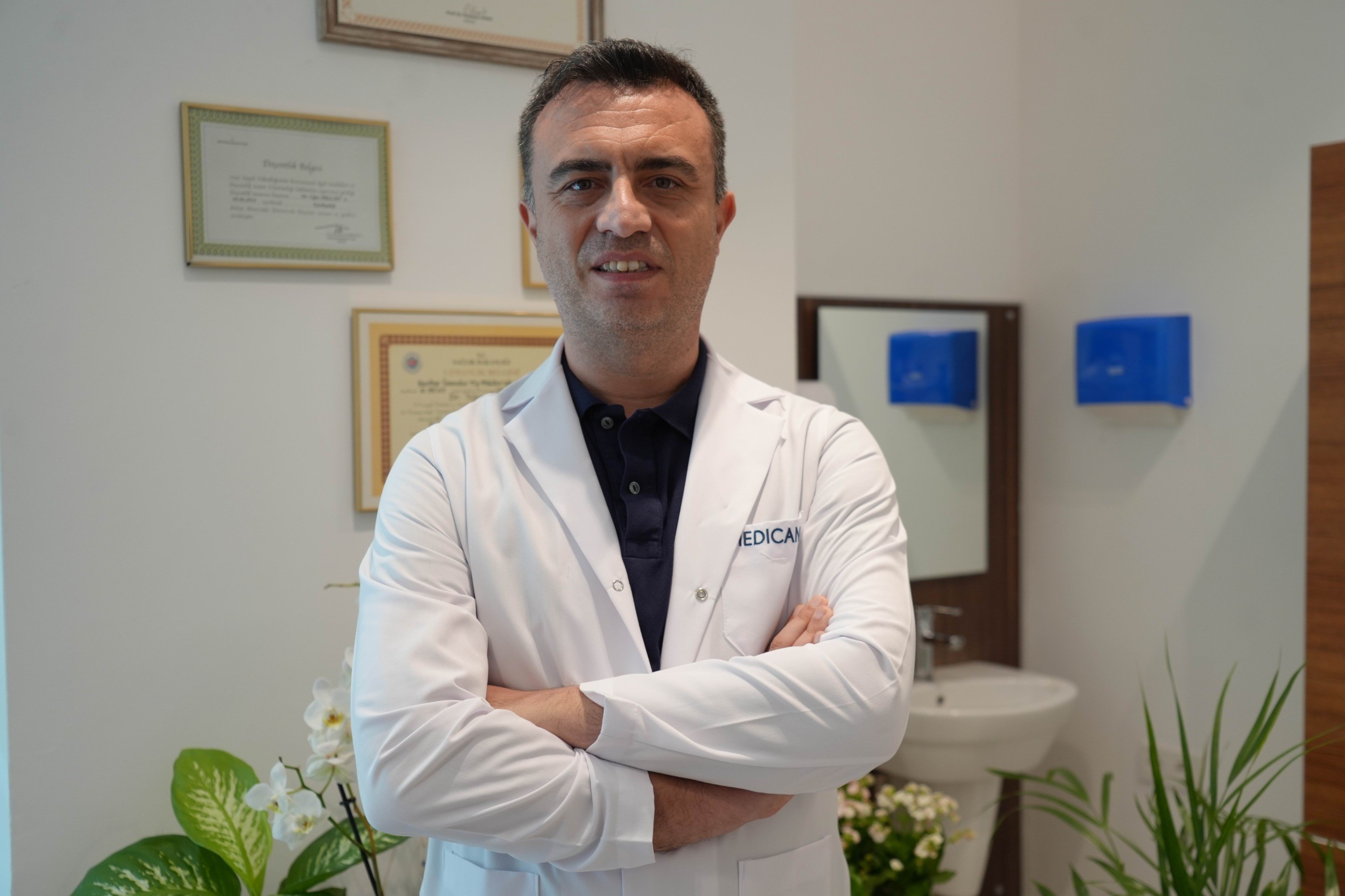
Cardiology Specialist Prof. Dr. Uğur Arslan said that with a 1O-minute coronary angiography procedure, stenoses in the heart vessels can be visualized and balloon or stent treatment can be applied to the stenotic areas.
Coronary angiography is a method used to show stenoses in the heart vessels. The method, which is applied to visualize the heart vessels through a catheter, especially by entering through the groin or arm veins, is frequently used by specialist physicians. Prof. Dr. Uğur Arslan, one of the Doctors of Medicana Health Group, made explanations about the benefits of coronary angiography and to whom it can be applied.
“Coronary angiography procedure takes about 10 minutes”
Within 10 minutes, the heart vessels are imaged and the necessary treatment can be applied to the narrow parts, said Prof. Dr. Uğur Arslan, Cardiology Specialist at Medicana International Samsun Hospital, “It is a method we usually apply in patients with chest pain and heart attack. Simultaneously, if lesions that can be opened with a balloon or stent are detected, it can also be used for treatment during the procedure. As with any invasive procedure, coronary angiography also has risks. However, coronary angiography can now be performed with very low risks. The coronary angiography procedure takes about 10 minutes. It can be performed in outpatient clinic conditions or in patients who apply to the emergency room after determining suitability.”
“It can be done through the groin or arm”
Stating that the procedure can be easily performed by entering through the groin and arm, Prof. Dr. Uğur Arslan said, “Coronary angiography is a procedure that can be performed on every patient. However, of course, the feasibility and risks of the procedure vary from patient to patient. For example, patients with impaired renal function have a higher risk. Of course, since the procedure is an interventional procedure, it has its own risks, but in general, coronary angiography is a procedure that can be performed with low risk. Another advantage of the procedure is that if we detect severe stenosis, those stenoses can be opened with methods we call stents or balloons.”
“Overweight people are at higher risk of heart attack”
Providing information about the factors that trigger a heart attack, Prof. Dr. Arslan said, “A heart attack usually occurs with a sudden onset of severe pain in the chest due to a sudden blockage in the heart vessels. There may be sweating, this pain may hit the arm, neck or stomach. The patient may develop fear of death. Sometimes we have patients who come with different complaints. Especially diabetics and elderly patients may come with different complaints. Some may have abdominal pain as the first complaint, such as shortness of breath. Sometimes patients can have a heart attack without any complaints. Factors that increase the risk of heart attack can be divided into two as environmental factors and personal factors. Smoking is a particularly important risk factor for heart attack. Patients with hypertension and diabetes have a high risk of heart attack. It has also been shown that people with a family history of heart attack at an early age have a high risk of heart attack. Patients with high cholesterol, obesity and overweight are also at higher risk of coronary artery disease and heart attack.”
