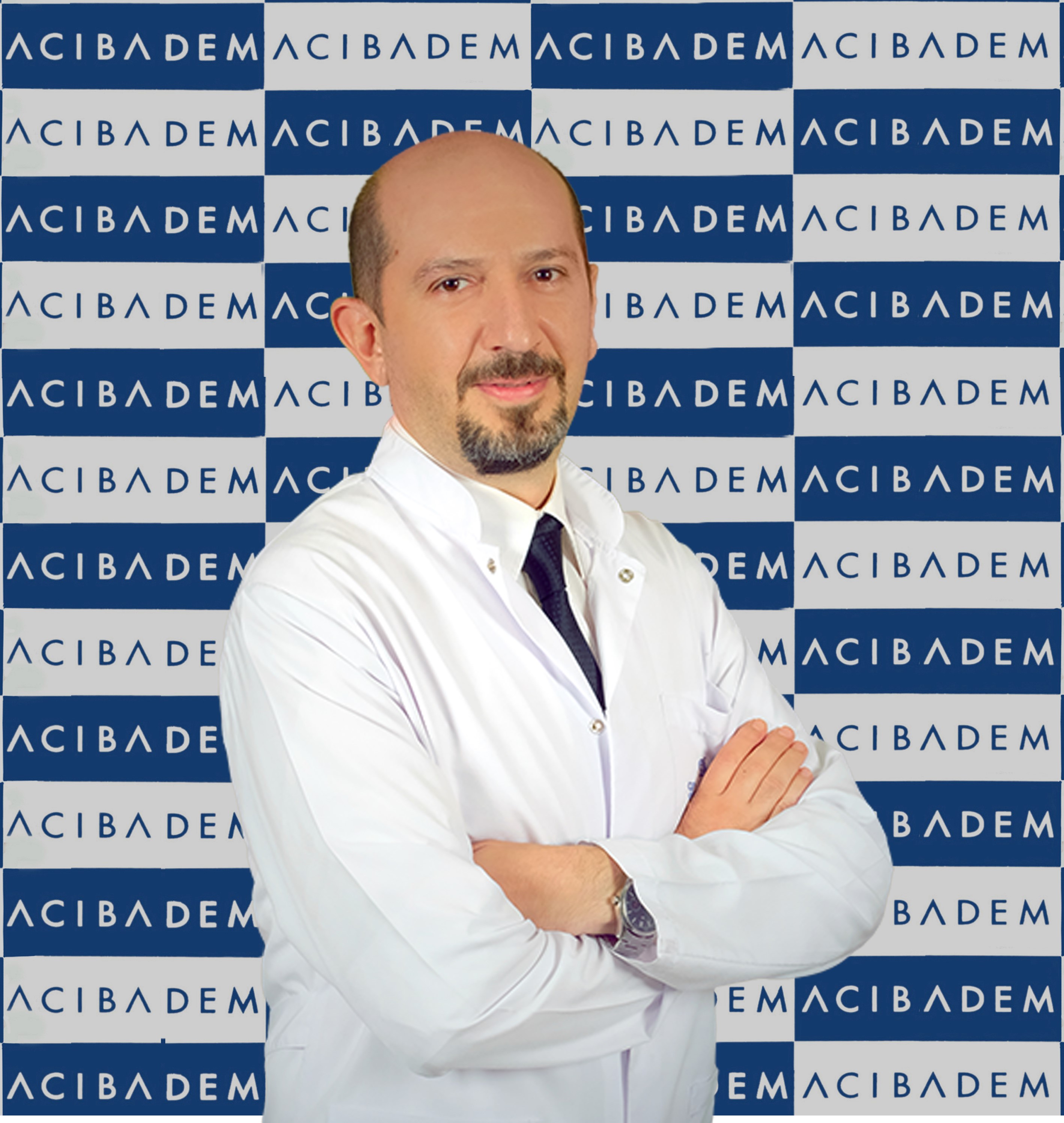
Endocrinology Specialist Prof. Dr. Emre Bozkırlı pointed out that thyroid nodules, which are common in the society, are usually detected by chance, and said that most of these nodules are benign and followed up without medication, while 3 percent of them may turn into thyroid cancer over time.
Acıbadem Adana Hospital Endocrinology Specialist Prof. Dr. Emre Bozkırlı gave important information about the thyroid glands, which secrete thyroid hormones that are vital for all body functions, are butterfly-shaped and located in the neck region.
Stating that the inner tissue of the thyroid gland is normally homogeneous, Prof. Dr. Bozkırlı said that masses that are different in structure from the surrounding thyroid tissue and can be distinguished radiologically from the surrounding tissue are called “nodules”. He pointed out that although the incidence of these masses in the society is determined as 3 to 7 percent in manual examination, this rate increases to 35-45 percent when radiological methods, especially ultrasonography, are used. He stated that people with thyroid nodules usually consult a doctor with the complaint of swelling in the neck, but they are detected incidentally during radiological examinations such as ultrasonography, tomography and magnetic resonance imaging performed for other diseases.
“Most of them are asymptomatic and small”
Pointing out that the incidence of thyroid nodules increases with age, Prof. Dr. Bozkırlı said, “The most feared situation in clinical practice is that these masses are malignant. Since most of these lesions are benign masses, it is possible to simply follow up the patients after a good evaluation in most patients. Thyroid nodules may be single or multiple. When the structures of thyroid nodules are examined, some of them may be solid, some may be filled with liquid and some may be solid-liquid mixed. Similarly, their sizes are variable. While the majority of them are small masses that do not give any symptoms, a few of them may be large masses that can put pressure on other anatomical organs in the neck.”
“First of all, it should be checked whether it is benign or malignant”
Prof. Dr. Bozkırlı warned that approximately 3 percent of thyroid nodules may develop into thyroid cancer over time and said, “The most important situation to be decided when a thyroid nodule is detected is the proper differentiation of benign or malignant. It is important to take the history of the patients appropriately in differential diagnosis. In children, older men, patients with a history of radiotherapy to the head-neck region, patients with a family history of thyroid cancer, and people exposed to ionizing radiation in childhood and young adulthood, the likelihood of nodules becoming cancerous is high. Apart from these; In the presence of fast-growing nodules, in the presence of accompanying hoarseness, in patients accompanied by compression diagnoses such as shortness of breath-cough and difficulty swallowing, it should be considered that thyroid nodules may be malignant.”
“If there is a nodule, blood test and ultrasonography are performed”
Stating that a blood test is performed to evaluate thyroid functions in patients with thyroid nodules, Bozkırlı stated that according to the results of this test, it is determined whether the patient needs drug treatment and the imaging to be performed in the next stage is planned.
Noting that ultrasonography is the most commonly used imaging method, Prof. Dr. Bozkırlı said that when evaluated by an experienced physician, serious information can be obtained about whether the nodule is benign or malignant. He added that ultrasonography can give an idea about many issues such as the location, shape, dimensions, borders, content, compression diagnoses and blood supply characteristics of the nodule.
“Biopsy has no side effects”
Stating that the next stage of examination is biopsy, Prof. Dr. Bozkırlı said, “Thyroid fine needle aspiration biopsy is a procedure consisting of taking a few drops of sample by entering the thyroid nodules with a needle, usually under ultrasound guidance, and is a very useful diagnostic method with no side effects expected when performed in appropriate hands. According to the results, it is decided whether the patient needs surgery or not.”
Stating that there is no drug treatment for thyroid nodules, but radioactive iodine treatment can be applied in hormone-secreting thyroid nodules, Prof. Dr. Bozkırlı explained that according to the biopsy results, the operation is brought to the agenda in cases with a high probability of malignancy. Prof. Bozkırlı added that patients whose biopsy results are benign are continued to be followed up by ultrasonography at intervals of 6 months to 1 year and radiofrequency ablation method has become increasingly preferred in recent years.
Prof. Dr. Bozkırlı underlined that nodular thyroid diseases are very common in the society and stated that most cases can be followed without medication when evaluated by experienced specialists. He stated that treatment methods such as radioactive iodine therapy, surgery and radiofrequency ablation are used in patients who need treatment.
