Prof. Dr. Cumhur Aydemir; “The health of babies is at serious risk if the heel prick test is refused”
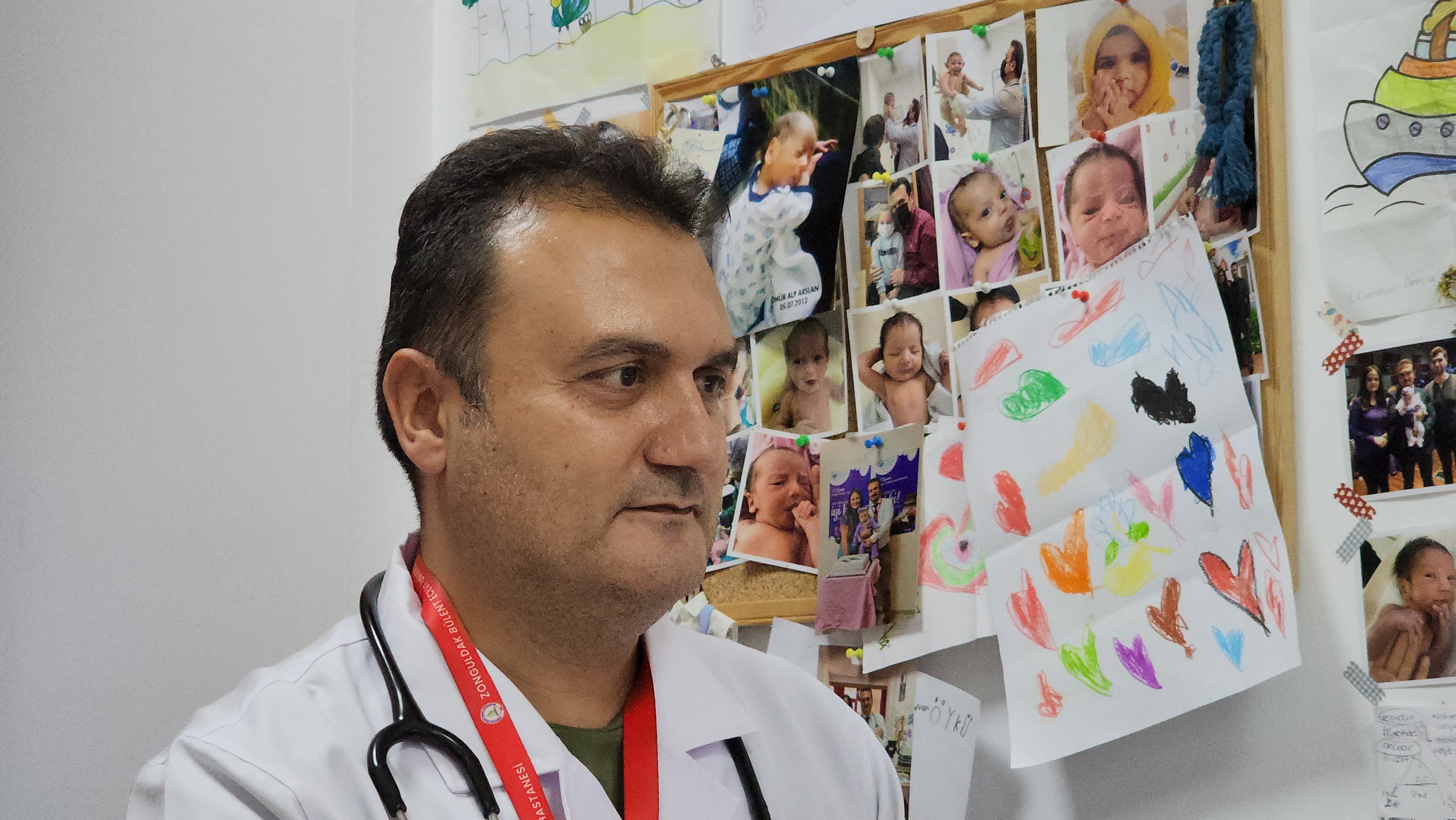
Prof. Dr. Cumhur Aydemir, Professor of Pediatrics at Zonguldak Bülent Ecevit University Faculty of Medicine, stated that the health of babies is at risk if the heel prick test is refused.
Last August 20, the Kars Family Court ruled in favor of the family on the grounds that “the positive consequences of heel prick testing on the child's right to life and health protected by the Constitution have not been proven by medical authorities, and a possible diagnosis and treatment is still controversial by medical authorities.” Prof. Dr. Cumhur Aydemir, Professor of Pediatrics at Zonguldak Bülent Ecevit University Faculty of Medicine, pointed out that some families have recently tended to refuse this test and stated that this poses serious risks to the health of babies. However, Aydemir pointed out that the main purpose of heel prick blood collection plays an important role in the diagnosis of important disorders such as biotinidase deficiency, cystic fibrosis, hypothyroidism and SMA (Spinal Muscular Atrophy). The heel prick screening test is known as one of the mandatory national screening systems for newborn babies in the first days after birth.
Prof. Dr. Aydemir explained how this test is performed as follows:
“In our national screening system, heel blood screening is one of the mandatory tests in newborn babies in the first days after birth. It is a test performed by taking a few drops of blood from the heel of newborn babies in the hospital where they are born and dropping it on blotting paper. Within the national screening system, six diseases are screened in our country. The tests on blotting papers made by dropping heel blood are carried out in a single center of the Ministry of Health, and for many years, heel wing searches have been carried out with the latest six diseases, starting with a single disease from the beginning. Phenylketonuria, Congenital Hypothyroidism, Cystic Fibrosis, Biotinidase Deficiency, Congenital Adrenal Hyperplasia, and finally, as a current disease, the muscle disease we call SMA has been added to this heel blood screening.”
The aim of the test is early diagnosis and treatment
Aydemir stated that a few drops of blood taken allows early diagnosis of severe diseases that may occur in children at a later age, and that this test aims to start early diagnosis and treatment rather than being preventive. Aydemir added the following:
“The main purpose of taking heel prick blood in these diseases in our national screening system is to ensure early diagnosis of diseases and to enable early diagnosis and treatment of these diseases, which can be very serious diseases in the future, by taking a single drop of heel prick blood. Rather than preventing diseases, our aim here is to recognize them early and start early treatment of the disease we detect in the heel blood. In other words, since these diseases are diseases that affect both the hormone system, brain development in the future and the general development of the child, it is very important to be able to start treatment in the early period in terms of affecting the growth, development, neurological and disease frequency of babies in the future.”
“Refusing the heel prick test jeopardizes the future of babies”
Stating that inaccurate information has been spread by some people interested in alternative medicine recently, Aydemir emphasized that this could have dangerous consequences. Prof. Dr. Aydemir pointed out that such inaccurate information may have an effect similar to the reservations against vaccines in the past and said that this situation may have serious negative effects on the healthy development of children in the coming years. Stating that they received a large number of heel blood refusals from the courts in the Zonguldak region as an expert, Aydemir concluded his words as follows:
“In recent years, especially in the last six months, unfortunately, families have been refusing to take heel blood by accessing this information through different channels with no scientific justification that it affects some hormones when blood is taken from the heel with some false information that is put forward by some alternative experts in our country and has no medical justification, people who are not medically qualified in our country, who do not have the authority and ability to practice medicine. In the last six months in particular, we have been receiving a large number of heel prick refusals from the courts in our region as expert witnesses. Just like the increasing refusal of vaccination in the past and today, unfortunately, if we do not prevent this, it will have serious side effects on the healthy development of our babies in the future and we will start to face serious health problems.”
Aydemir added that not performing heel prick screening in newborn babies and performing it in later processes may lead to difficulties in diagnosis.
İHA Haber Kodu: 20240906AW281941