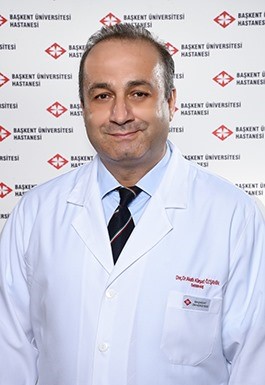
Prof. Dr. Akatlı Kürşat Özşahin noted that the tests performed within the scope of check-up are important in analyzing the general functioning of the body and detecting potential health problems in advance.
Başkent Hospital Adana Dr. Turgut Noyan Application and Research Center Family Medicine Department Head and check-up responsible Professor Doctor Akatlı Kürşat Özşahin said that check-up is a health screening that enables timely intervention by detecting the risks of almost all diseases that exist in an organ or tissue but do not yet give clinical findings that threaten life.
Prof. Dr. Akatlı Kürşat Özşahin emphasized that although there are different ideas around the world, it is generally necessary to have a check-up every 3 years until the age of 40 and every year after the age of 40, “This comprehensive screening to evaluate the general health of the body consists of a series of tests and examinations determined according to the age, gender, familial risk factors, lifestyle and current health status of the person. Many tests such as blood tests, urinalysis, liver function tests, kidney function tests, cholesterol levels, blood pressure measurements, ECG, chest radiography and further tests when deemed necessary can be performed as part of a check-up. These tests are important for analyzing the general functioning of the body and detecting potential health problems in advance.”
Stating that the medical intensity of check-ups performed under the age of 40 and check-up programs performed over the age of 40 are different, Prof. Dr. Özşahin said, “In a man over the age of 40, especially colonoscopy is routinely performed and it is recommended to be repeated every 5 years, but if it is performed once under the age of 40 and it is normal, it is natural to wait until the age of 50. We also have different tests for men and women. In women, mammography and pap smears are used to screen for cancers in special regions, and in men over the age of 50 who smoke, tests related to some breakdowns in the largest vessel coming out of the heart, which we call abdominal aorta, are applied in the foreground. In check-up programs, we never have a single disease or a single parameter that appears as a single problem. Naturally, at the end of the check-up programs, the patient may need to be followed up and treated by many competent units. As Başkent University, we record the patients we take into the check-up program in a tracking system, notify them when it is time for routine screening and invite them to the relevant department.”
Prioritize your health
Prof. Dr. Özşahin pointed out that check-ups are very important because they allow many diseases to be detected at an early stage without any symptoms. “Especially serious diseases such as cancer, diabetes, hypertension, cardiovascular diseases have a much better chance of treatment when diagnosed at an early stage. Check-ups not only detect existing diseases, but also reveal potential risk factors. By taking precautions against these risk factors, future illnesses can be prevented. In addition, according to the test results, personalized health recommendations can be offered. Lifestyle changes such as regulating eating habits, exercise planning, controlling smoking and alcohol consumption play a critical role in protecting health and preventing diseases.”
Stating that regular check-ups are one of the most effective ways to protect health and prevent future health problems, Özşahin said, “Remember, health cannot be neglected. Pay attention to your health, have your check-ups done regularly and open the doors to a longer, healthier life. As Başkent University Adana Dr. Turgut Noyan Application and Research Center, we are always with you to protect your health and improve your quality of life. Do not neglect your health, do yourself a favor by making your check-up appointment as soon as possible.”
İHA Haber Kodu: 20240814AW266957