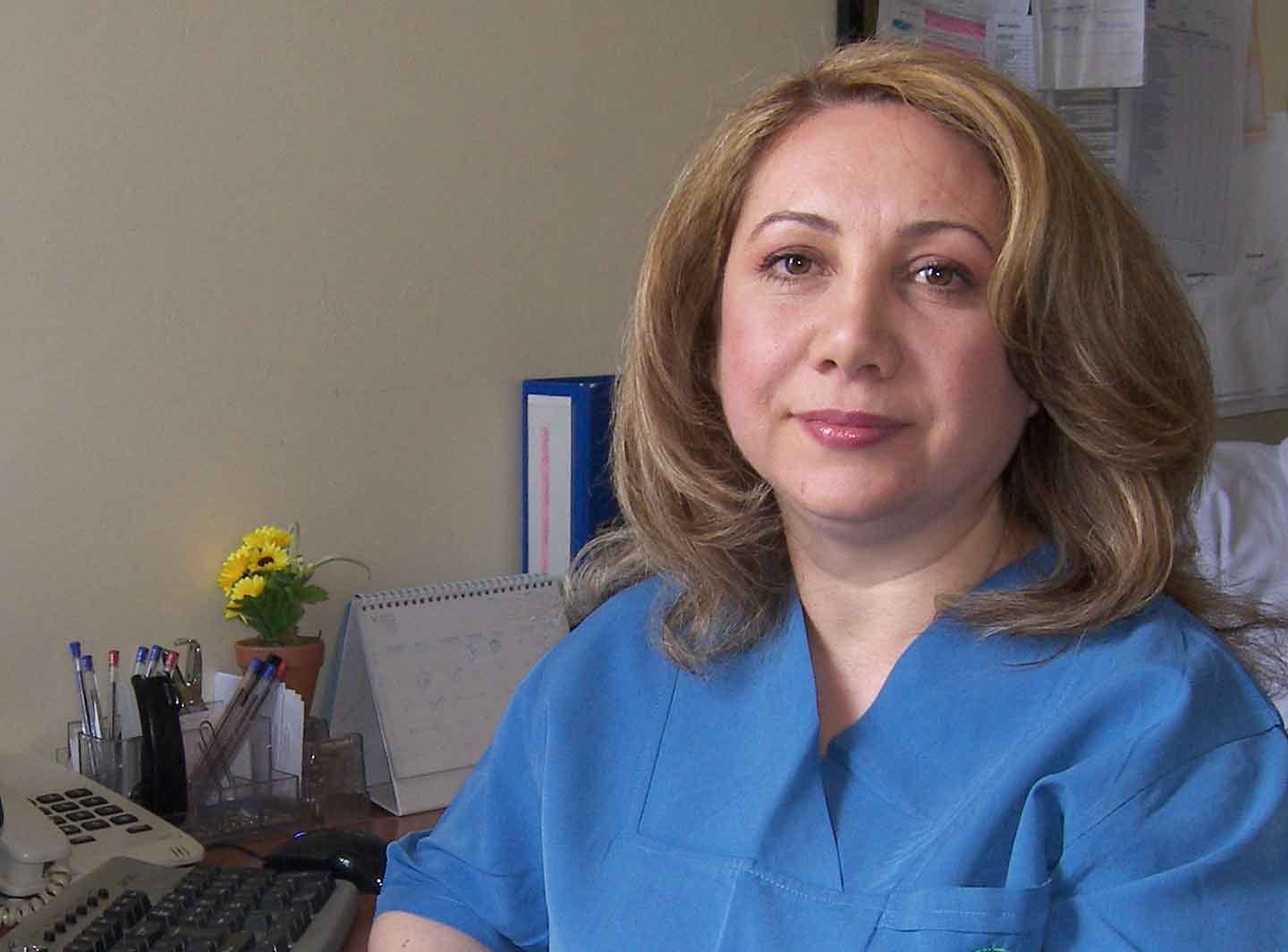
Prof. Dr. Tülin Akarsu Ayazoğlu, Head of Intensive Care Department at Balıkesir University Faculty of Medicine, made a statement on the occasion of World Sepsis Day. Prof. Dr. Ayazoğlu stated that all people have a great role in preventing the disease.
Pointing out that sepsis is a serious health problem that occurs when the body's excessive response to an infection damages its own tissues and organs, Prof. Dr. Tülin Akarsu Ayazoğlu gave information about the diagnosis, treatment and prevention processes of the disease.
“What is Sepsis?”
Prof. Dr. Tülin Akarsu Ayazoğlu, Head of Intensive Care Department of Balıkesir University Faculty of Medicine, said, “Sepsis is a serious health problem that occurs when the body's excessive response to an infection damages its own tissues and organs. Without early diagnosis and treatment, sepsis can lead to shock, multiple organ failure and death. Sepsis is the fatal end stage of many infectious diseases, including viral infections such as COVID-19.”
“A major health crisis worldwide”
Commenting on the global impact of sepsis, Ayazoğlu said, “Sepsis is a major health crisis worldwide. Every year, 47 to 50 million people experience sepsis and at least 11 million of these cases result in death. This means that one person dies every 2.8 seconds due to sepsis. Worldwide, 20 percent of deaths are associated with sepsis, and the mortality rate varies between 15 and 50 percent from country to country. Most surviving patients have to struggle with the long-term effects of sepsis.”
“Sepsis risk increases if not diagnosed early”
Providing information about the common causes of sepsis, Prof. Dr. Tulin Akarsu Ayazoğlu said, “Sepsis can be caused by various microorganisms such as bacteria, fungi, viruses and parasites. Pathogens such as seasonal flu viruses, dengue virus, avian and swine flu viruses, Ebola and yellow fever viruses can also cause sepsis. Sepsis usually develops as a result of worsening respiratory, gastrointestinal and urinary tract infections or wounds and skin infections. Since such infections are often underdiagnosed at an early stage, the risk of sepsis increases.”
“Symptoms of sepsis”
Ayazoğlu, who wants the public to be informed about the symptoms of sepsis, said: “Speech disorder or confusion, excessive shivering, muscle aches and high fever, decreased urination, severe shortness of breath, fear of death and spots or pallor on the skin come to the fore in the symptoms of the disease. If you are experiencing these symptoms and have a confirmed or suspected infection, you should immediately contact a healthcare provider.”
“It has negative effects on life”
Commenting on the effects of sepsis on the health system, Prof. Dr. Tulin Akarsu Ayazoglu said, “Sepsis represents a major health problem in both developed and developing countries. It creates a huge burden on intensive care units and the high cost of the treatment process puts a serious pressure on the health economy. The loss of labor force and decrease in productivity experienced by individuals with sepsis after treatment also have negative effects on social life.”
“Elderly individuals and those with weak immune systems should pay attention”
Commenting on the risk factors of the disease and the increasing number of cases, Ayazoğlu said, “Elderly individuals and people with weakened immune systems are more vulnerable to the risk of sepsis. The prevalence of respiratory tract infections in the winter months may increase sepsis cases. With the increase in the elderly population, sepsis cases are expected to increase. Sepsis can progress from infection and bacteremia to sepsis and septic shock, which can lead to multiple organ dysfunction syndrome (MODS) and death.”
“Ways to prevent the disease”
Noting that the ways to prevent sepsis should be known by all segments of society, Prof. Dr. Ayazoğlu said, “The most effective way to prevent sepsis is to prevent infections. You can achieve this as follows: Vaccination, clean water supply, hand hygiene, prevention of hospital-acquired infections, safe delivery, and increasing sepsis awareness, early diagnosis and timely treatment can help manage sepsis effectively. Some advances in modern medicine can weaken our immune system, increasing the risk of serious diseases such as sepsis. People undergoing cancer treatment, those on immunosuppressive drugs and people with chronic diseases such as diabetes are at higher risk. In addition, minimally invasive surgery and advanced intensive care methods can increase the risk of sepsis in elderly patients.”
“Vaccination and hygiene are very important”
Stating that vaccines and hygiene are of great importance, Ayazoğlu said, “Young children and the elderly are more susceptible to pneumococcal bacteria infections. Pneumococcal vaccines provide effective protection against these bacteria and reduce infections by creating “herd immunity”. Patients without a spleen should be vaccinated against pneumococcal and other bacteria and informed about the risks of infection. Misuse of antibiotics leads to antibiotic resistance, increasing the risk of sepsis. Targeted and careful use of antibiotics can help prevent resistance. In addition, improving hygiene standards, clean water supply and vaccination programs play a critical role in preventing infections.”
Emphasizing that sepsis has a high mortality rate, Prof. Dr. Ayazoğlu said, “Sepsis is a life-threatening condition and can lead to high mortality rates. World Sepsis Day reminds the importance of raising public awareness and making improvements in health systems to emphasize the importance of sepsis and reduce the effects of this disease. Early diagnosis, effective management and preventive measures are critical to protect the health of both individuals and communities. Your contribution in preventing sepsis can be great.”
İHA Haber Kodu: 20240913AW286818