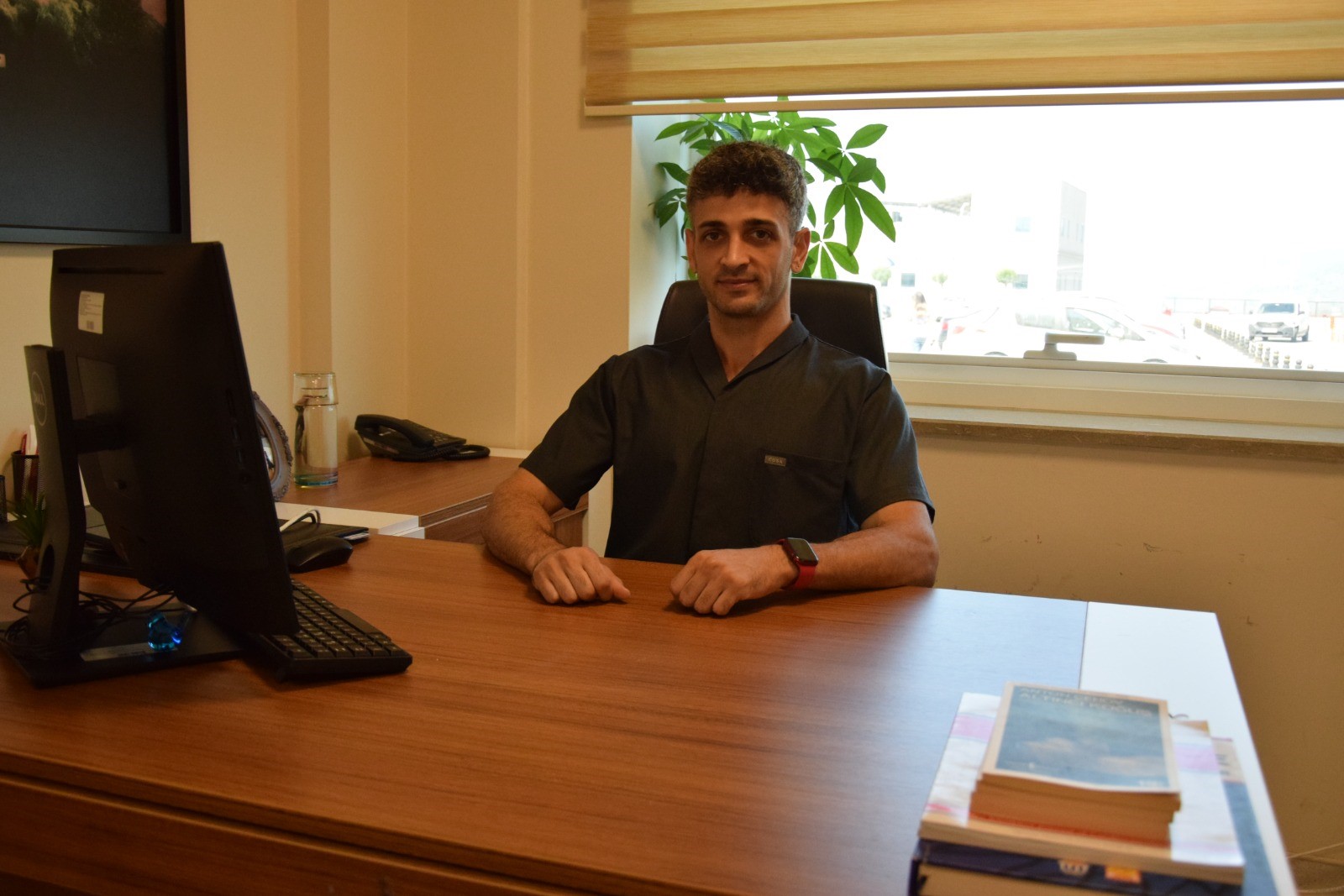
Prof. Dr. Ahmet Egemen Sayın said, “The most common symptom of a heart attack is chest pain, but there may also be symptoms such as shortness of breath, palpitations, fainting, and changes in consciousness.”
Düzce University Faculty of Medicine, Department of Cardiology Dr. Lecturer. Prof. Dr. Ahmet Egemen Sayın gave information about the things to be considered for the protection of heart health in the summer months. Stating that complaints such as chest pain, shortness of breath, palpitations, fainting, fainting and thirst can be exacerbated in individuals with heart diseases during the summer months, Dr. Lecturer. Prof. Sayın said, “People with these complaints may develop sudden and fatal heart diseases such as heart attack, arrhythmia, low blood pressure / shock.”
Giving information about the effects of high temperature and humidity on heart health, Sayın said, “As the temperature and humidity increase, the heart needs to pump more blood to the skin to keep the body at the appropriate temperature. The heart tries to beat stronger and more frequently. This increases the workload of the heart. Patients with heart disease such as heart failure, rhythm disorder, high blood pressure, cardiovascular disease, patients who use diuretics and vasodilators due to heart disease, obese, elderly people are in a more risky group than normal people in terms of being affected by high heat and humidity.”
“Heart patients should avoid heavy exercise”
Stating that they generally recommend exercise for non-advanced heart patients in order to protect heart health, Dr. Ahmet Egemen Sayın said, “We recommend exercises that do not require serious effort (walking, light jogging, cycling, swimming) by providing adequate fluid intake, protecting from the sun, taking care not to get dehydrated in the cooler hours of the day outside the 11:00-15:00 range. Heart patients should avoid midday and heavy exercise at high temperatures.”
“Adequate and balanced nutrition protects heart health”
Sharing information about the recommended diet for heart patients in the summer season, Dr. Sayın said, “Adequate and balanced nutrition protects heart health. We recommend that patients with hypertension and heart failure eat a low-salt diet, patients with cardiovascular disease and high cholesterol should not consume cholesterol-containing foods (red meat, butter, internal fat, eggs) more than necessary, and instead focus on Mediterranean-type nutrition (white meat, salads, cereals, olive oil), and patients with rhythm disorders should avoid caffeine-derived content (tea, coffee, energy drinks) and alcoholic beverages that can increase heart rate.”
Watch out for these when traveling
Giving tips to protect heart health while traveling during summer holidays or long journeys, Dr. Sayın continued his statement as follows: “During long journeys, it is important for heart patients to carry their medications in their original packaging, in a way that they will not be affected by the sun, and to continue taking them at the recommended dosage and frequency. Since the legs of the patients will remain immobile and fixed for a long time on long journeys, there is a risk of clot formation in the leg and this clot can be thrown into the lungs as an embolism. It may be useful for patients at risk of embolism to move their legs as much as possible in travel vehicles, take frequent breaks during travel, exercise their leg muscles by walking during breaks and use blood thinners when recommended by their doctor. It is also necessary to protect from the sun as much as possible while traveling. It may be important to know the cardiac hospitals and cardiologists, if any, in the region where you will be traveling. Oxygen content decreases at higher altitudes, it is risky for serious heart patients to live in very high altitude settlements as it may increase heart-related complaints.”
“The most common symptom of a heart attack is chest pain”
Drawing attention to heart attack symptoms and emergency measures, Dr. Lecturer. Prof. Sayın said, “The most common symptom of a heart attack is chest pain, but there may also be symptoms such as shortness of breath, palpitations, fainting, and changes in consciousness. 112 Emergency Call Center should be called for people with sudden and severe onset of these complaints. For a heart attack patient with the risk of sudden death, first aid may need to be applied by people with experience in the vicinity and intervention with nearby automatic heart shocker devices.”
“Wear loose, cool clothes and wear a hat and sunglasses”
Concluding his statement with preventive measures for heart health in summer, Düzce University Faculty of Medicine, Department of Cardiology, Dr. Assist. Prof. Dr. Ahmet Egemen Sayın concluded his statement as follows: “In addition, heart patients should wear loose, cool clothes and hats-sunglasses if they are going outside, if they are going to sit outside, they should sit in the shade or under an umbrella during cooler hours, eat light meals, avoid hot and heavy meals, and prefer cold drinks instead of hot drinks.”
İHA Haber Kodu: 20240805AW261042