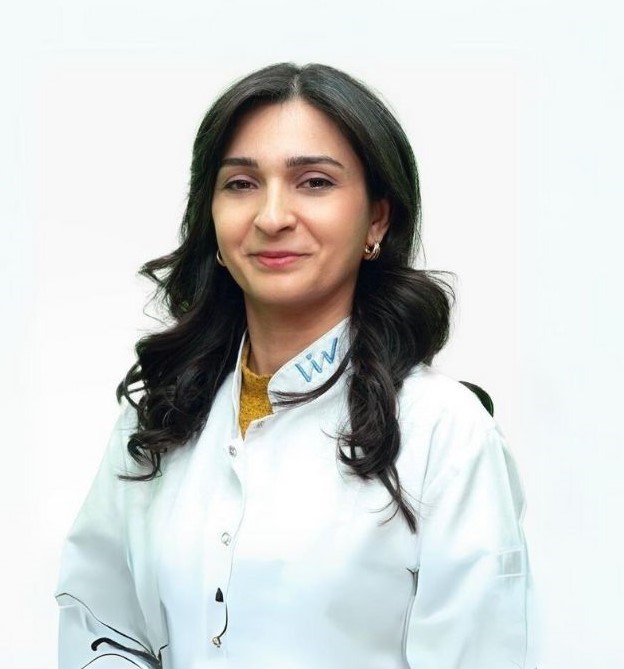
Stating that regular follow-up by the doctor is vital during pregnancy, Gynecology and Obstetrics Specialist Opr. Dr. Nigar Allahverdiyeva said, “When your doctor checks you regularly, he or she can detect problems early and apply the necessary treatments in time for you to have the healthiest pregnancy possible. Studies have shown that in pregnancies where prenatal checks are not performed on time, the likelihood of the baby having a low birth weight increases three times.”
From Liv Hospital Samsun Gynecology and Obstetrics Clinic, Opr. Dr. Nigar Allahverdiyeva informed about pregnancy follow-up. Making warnings to expectant mothers, Opr. Dr. Nigar Allahverdiyeva said, “When you learn that you are pregnant, a new routine will be added to your life: regular prenatal checks. There is an air of excitement in all of these checks. You will hear your baby's heartbeat for the first time and learn your estimated due date. During the check-ups, your doctor will monitor your and your baby's health, give nutrition and activity recommendations, explain what awaits you during labor, and inform you about how to care for and feed your newborn baby.”
“Control during pregnancy is important”
Underlining that the follow-up intervals for a healthy pregnancy vary according to the gestational weeks, Opr. Dr. Allahverdiyeva shared the following information:
“We recommend that you have your checkups once a month until the 28th week, once every 2 weeks in the 28-36th gestational week, and once a week after 36 weeks. During the controls, your weight and blood pressure are measured, blood and urine tests are performed, the growth of your baby and the amount of amniotic fluid are measured by ultrasound examination. How often we see you during pregnancy depends on your individual health status. If you had any health problems before you became pregnant or if problems arise during your pregnancy, we may want to see you more frequently, and we may need additional tests to assess your and your baby's well-being.”
“Pregnant women over 35 have an increased risk of chromosomal diseases in their babies”
Opr. Dr. Allahverdiyeva mentioned in which risky situations pregnancy follow-ups are performed at strict intervals. Dr. Allahverdiyeva said, “The risk of chromosomal diseases in babies of pregnant women aged 35 and over increases. They also have a higher risk of complications during pregnancy. If you have pre-existing health problems; if you have a history of diabetes or high blood pressure; if you have other health problems such as asthma, lupus, anemia or obesity, close follow-up is required. Medical problems that develop during pregnancy also require close monitoring. These include pre-eclampsia or pregnancy-related high blood pressure and gestational diabetes that occurs during pregnancy. If you are at risk of preterm labor, have a history of preterm labor or start to show signs of preterm labor, you need to be followed more closely.”
“Half of twins are born prematurely”
Pointing out that multiple pregnancies are also special pregnancies that require more frequent follow-up, Opr. Dr. Allahverdiyeva said, “Although there are no problems in the follow-up and delivery of many twin pregnancies, multiple pregnancies require extra attention and care. Unlike singleton pregnancies, you may gain more weight, so we will inform you about exactly how much weight you should gain, what kind of food you should eat and what supplements you should take. Preterm labor, i.e. labor that starts before 37 weeks, is our biggest health concern in twin pregnancies. Babies born prematurely have a higher risk of health problems than babies born term. About half of all twins are born prematurely. Therefore, we will review the signs of preterm labor with you and follow up for signs of preterm labor during your prenatal visits.”
“High risk of high blood pressure, anemia and gestational diabetes in multiple pregnancies”
Underlining that the risk of high blood pressure, anemia, gestational diabetes and cesarean section increases in multiple pregnancies compared to singleton pregnancies, Opr. Dr. Allahverdiyeva said, “It is important to follow the follow-up program recommended by your doctor for the health of both you and your baby. When your doctor checks you regularly, he or she can detect problems early and apply the necessary treatments in time for you to have the healthiest pregnancy possible. Studies have shown that in pregnancies where prenatal check-ups are not done on time, the baby is three times more likely to have a low birth weight.”
İHA Haber Kodu: 20240808AW263114