Sepsis remains an important and often overlooked global health problem in both developed and developing countries. According to the Global Burden of Disease Sepsis Report, sepsis affects 49 million people annually and causes 11 million deaths.
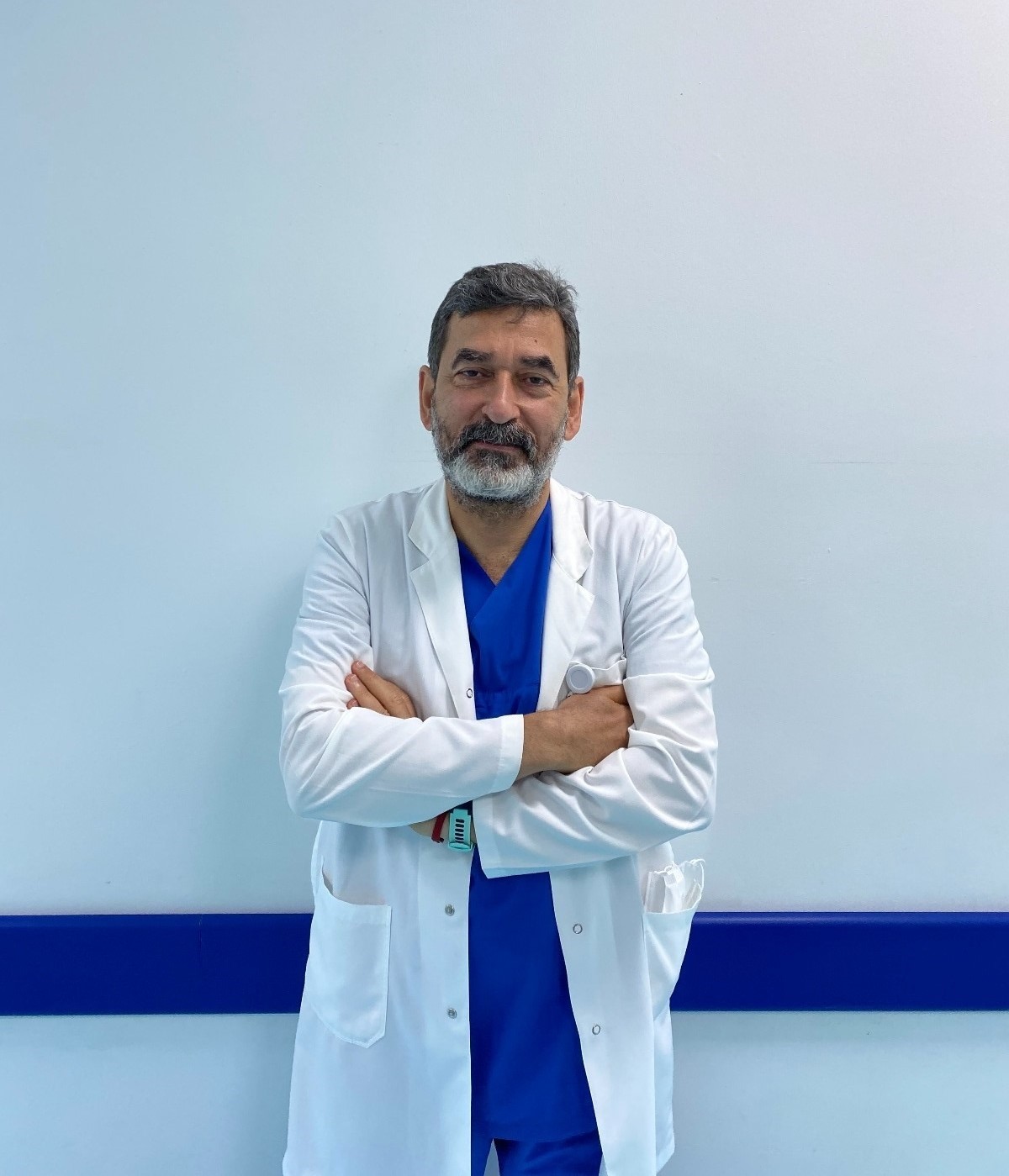
Prof. Dr. Tuğhan Utku, President of the Turkish Society of Intensive Care Medicine, pointed out that this serious disease is wrongly considered as just an infection and said, “Sepsis is not a simple infection; it is a complex syndrome that leads to organ failures.”
Stating that sepsis is a syndrome that can lead to an irregular immune response to infection and the failure of many organs, Utku said: “Most sepsis is community-acquired, but the mortality rates and treatment costs of sepsis cases in hospitals are much higher. Scientific efforts have been underway for years to defeat sepsis, but the complexity of the disease makes treatment difficult. The only life-saving approach in sepsis is early diagnosis and effective treatment.”
Reminding that the United Nations has called on member states to develop national action plans for the prevention, diagnosis and treatment of sepsis, Utku said, “Even in high-income countries, progress in the fight against sepsis is slow and efforts are still insufficient. One of the most important reasons why sepsis goes untreated is antibiotic resistance. According to the US Centers for Disease Control and Prevention (CDC), one person dies every 15 minutes due to antimicrobial resistance. Antibiotic resistance has become one of the biggest threats to our healthcare system. This problem has fatal consequences, especially for the elderly and those with chronic diseases. Antibiotic resistance is one of the biggest challenges in the treatment of sepsis. In particular, drug-resistant microorganisms known as superbugs increase the risk of sepsis by causing incurable infections. Worldwide, one person dies every 15 minutes due to antibiotic resistance. By 2050, this number is expected to rise to 10 million deaths annually. Even after sepsis is treated, there is a serious decrease in the quality of life of patients. Post-sepsis syndrome (PSS) affects 50 percent of sepsis survivors. Physical and psychological problems can persist for a long time.”
Utku reminded the targets set by international authorities to reduce the global burden of sepsis and said, “It is possible to reduce the spread of sepsis with hygiene, access to clean water, vaccination programs and early diagnosis systems.”
İHA Haber Kodu: 20240914AW287246