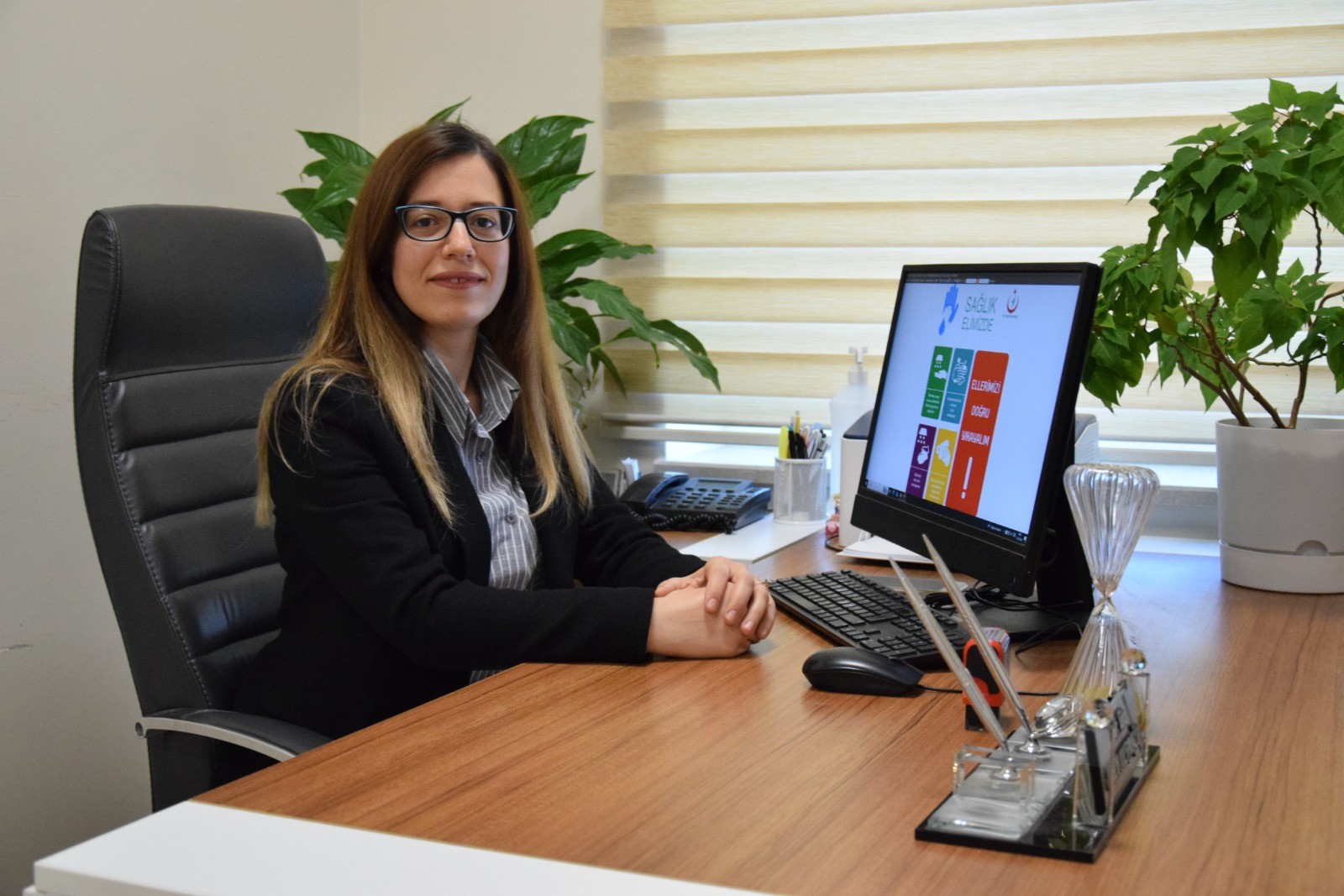
Düzce University Faculty of Medicine, Department of Physical Medicine and Rehabilitation Faculty Member Assoc. Prof. Dr. Tuba Erdem Sultanoğlu gave information on the occasion of “October 20 World Osteoporosis Day” to raise awareness about the prevention, diagnosis and treatment of osteoporosis.
Stating that osteoporosis, known as osteoporosis, is the most common metabolic bone disease in which bones weaken and the risk of fracture increases with the decrease in mineral density in the content of bone tissue, Assoc. Prof. Dr. Sultanoğlu said, “Osteoporosis is an important global health problem that causes 8.9 million fractures worldwide every year. One third of women over 50 years of age and one fifth of men develop fractures due to osteoporosis for the rest of their lives. The development of fracture due to osteoporosis negatively affects the health status of the person.”
“Since it progresses silently, it does not cause any symptoms in the early period”
Stating that osteoporosis does not cause any symptoms in the early period because it progresses silently, Sultanoğlu said, “Despite the decrease in bone density, it is generally difficult to detect the disease unless bone fracture or cracking occurs. Bones with osteoporosis are more fragile and weak than normal bones. Due to the loss of calcium from the bone, the mass and strength of the bone decreases. Bones can break easily due to the slightest accident or injury. If osteoporosis progresses, a number of symptoms appear when bone damage begins. The most common symptom of osteoporosis is pain in the lower back and back due to micro fractures in the weakened bone. Other common symptoms include shortened stature due to unrecognized spinal fractures, hunching (kyphosis), posture disorders such as head tilting forward and shoulders dropping. There may be digestive problems such as pain, breathing difficulties and discomfort, early satiety and bloating due to posture disorder.”
“It is one of the most important health problems”
Noting that although osteoporosis can be seen at any age, it usually occurs in adults, Assoc. Prof. Dr. Sultanoğlu said, “It is one of the most important health problems whose incidence increases with advancing age. Since it is silent, it is important to evaluate individuals at risk of developing osteoporosis and to diagnose it early before fractures, the most important bad result of the disease, occur. Osteoporosis is not only a disease of women but also affects men. However, women are more likely to develop osteoporosis than men. Menopause accelerates bone breakdown and increases the risk of osteoporosis. The most common type of osteoporosis is postmenopausal osteoporosis caused by estrogen deficiency. Osteoporosis is caused not only by aging, gender and hormonal changes, but also by other factors. White skin, short stature and thin build, a history of osteoporosis-related fractures in parents or siblings, previous spinal fractures, insufficient intake of calcium, phosphorus and vitamin D, unhealthy diet, being underweight, not getting enough sunlight, spending most of the day sedentary or sitting, excessive caffeine consumption, smoking and excessive alcohol use increase the risk of osteoporosis.”
Sultanoğlu added that osteoporosis can also develop due to many diseases and medications used and said, “These are called secondary osteoporosis. This is a problem seen in both women and men and should be prevented/treated. For example, cortisone, thyroid hormone, antiepileptics, antidepressants, anticancer drugs can increase the risk of osteoporosis. Osteoporosis can be caused or accompanied by certain diseases. Thyroid diseases, kidney diseases, diabetes, rheumatoid arthritis, celiac disease, cancer, chronic liver disease and chronic obstructive pulmonary disease are among these diseases.”
“Fractures are painful and impair quality of life”
Pointing out that osteoporosis has become an increasingly important health problem with the prolongation of human life and aging of the population all over the world, Assoc. Prof. Sultanoğlu said, “Thinning of the bone structure and deterioration of bone quality is the inevitable result of aging. It is important to detect the disease early before fractures develop and to suspect osteoporosis with screening for this, and if osteoporosis has developed, a personalized treatment plan is important. We know that the risk for a second fracture increases after the first fracture. Osteoporosis-related fractures are painful and impair quality of life. They can even be serious enough to threaten life. For this reason, regular exercise appropriate to the age and physical condition of the individual, avoiding sedentary life, regulation of eating habits, balanced nutrition, use of green leafy vegetables with a richer content of potassium, calcium, magnesium and vitamin C, which are necessary for bone health, adequate and regular calcium intake for all age groups starting from childhood, adequate intake of vitamin D and protein, and review of risk factors, Not smoking, avoiding excessive alcohol and caffeine consumption, being at an appropriate body weight, taking precautions against the risk of falling (such as not keeping objects on the floor that will cause the foot to trip or slip, using non-slip mats, fixing carpets, having handrails to hold on to stairs and corridors, adequate lighting, using assistive tools such as canes / walkers, preferring house shoes instead of slippers) are protective measures against the risk of osteoporosis and fracture development. Our physical therapy and rehabilitation practices aim to provide the necessary comfort and support to patients who are immobile for a long time, both in bone health and in maintaining their daily life activities.”
“All women over the age of 65 and men over the age of 70 should be screened for osteoporosis”
Stating that evaluation in terms of risk factors, physical examination, measurement of bone mineral density by bone densitometry, necessary laboratory tests and radiographs are used in the diagnosis of osteoporosis, Assoc. Prof. Dr. Sultanoğlu said, “Bone densitometry is the imaging test we use most frequently for diagnosis. While bone density can be measured easily and painlessly, the amount of radiation exposed is very low. In case of low bone density measurement in any area, care should be taken in terms of osteoporotic fracture development. Therefore, all women over the age of 65 and all men over the age of 70 should be screened for osteoporosis by bone densitometry. Women under 65 years of age who are in menopause or in the process of entering menopause and men under 70 years of age should be evaluated by a physician for osteoporosis and fracture risk and should be screened if necessary.”
“The most important point is to make an individualized treatment plan when planning osteoporosis treatment”
Stating that they use various drugs that have proven efficacy for treatment and reduce the risk of fracture, Assoc. Prof. Dr. Sultanoğlu said, “Depending on the condition of the person, there are drugs that can be administered orally, intravenously (serum) or under the skin through the arm. The most important point is to make an individualized treatment plan when planning osteoporosis treatment. Treatment success increases with the evaluation of individuals with osteoporosis and fracture risk by a physician, initiation of treatment without wasting time if necessary, monitoring the risk of fracture development and drug compliance, our non-drug treatment recommendations and regular physical activity.”
Emphasizing that “Osteoporosis, which progresses silently because it does not cause pain as long as there is no fracture, is a preventable and treatable disease”, Düzce University Faculty of Medicine, Department of Physical Medicine and Rehabilitation Faculty Member Assoc. Prof. Dr. Tuba Erdem Sultanoğlu said, “With ‘World Osteoporosis Day’ on October 20, we aim to increase awareness on this issue for better bone health. Postmenopausal women and men over the age of 50 should be examined for osteoporosis risk factors. I recommend that our patients be screened for osteoporosis before fracture development in order to make an early and accurate diagnosis of osteoporosis and to make an individualized treatment plan.”
İHA Haber Kodu: 20241018AW310849
