Stating that every expectant mother is a low-risk pregnant woman, experts emphasize the importance of staying under the control of a physician until birth, even if there are no problems.
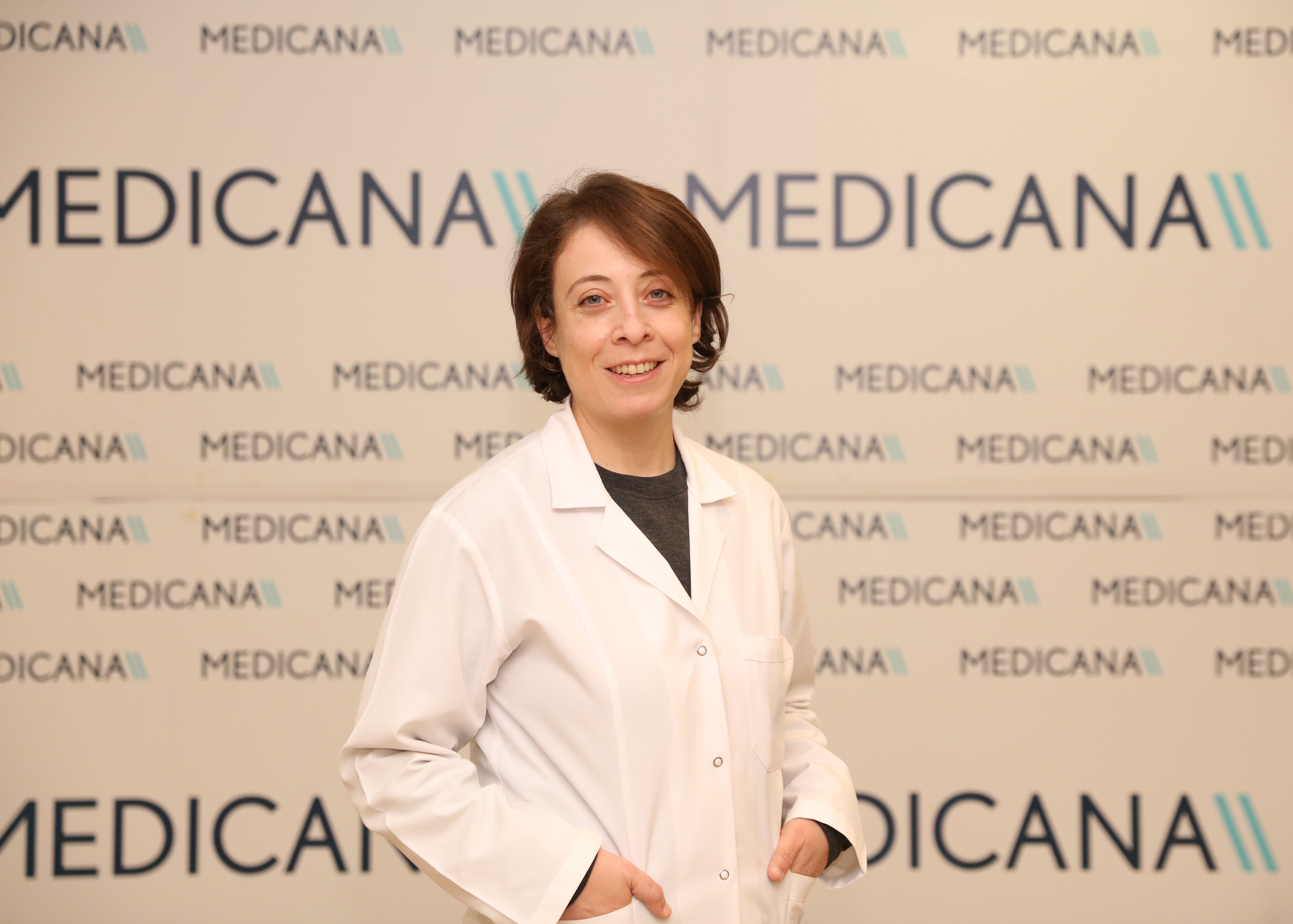
According to World Health Organization data, approximately 830 women die every day due to preventable causes related to pregnancy and childbirth. Stating that all kinds of unexpected, unforeseen medical and obstetric conditions for the health of the mother or the baby are considered high-risk pregnancies, Medicana Health Group Gynecology and Obstetrics / Perinatology Specialist Prof. Dr. Sibel Özler emphasized the importance of staying under the control of a physician until birth to prevent possible complications in this process called “risky pregnancy”. Stating that a pregnant woman is at risk during pregnancy, birth and delivery, Prof. Dr. Özler said that the conditions that constitute high-risk pregnancy vary.
Diseases categorized as high-risk pregnancy
Worldwide, 20 million women are experiencing high-risk pregnancies. For women with high-risk pregnancies; It is aimed to reduce maternal and infant mortality, to provide adequate prenatal care, early diagnosis, treatment and delivery, as well as delivery and postpartum specialist care. Stating that specific diseases that occur in the mother during pregnancy pave the way for serious complications for mother and baby in the short and long term, Medicana Konya Hospital Perinatology Specialist Prof. Dr. Sibel Özler said: “Hypertensive disorders, diabetes, kidney disease, autoimmune diseases, thyroid disease, infertility, obesity, adolescent pregnancy or first pregnancy after the age of 35. Sibel Özler said, “Hypertensive disorders, diabetes, kidney disease, autoimmune diseases, thyroid disease, infertility, obesity, teenage pregnancy or first pregnancy after the age of 35, alcohol, drug use, multiple pregnancy, gestational diabetes, pre-eclampsia and eclampsia, and many other maternal conditions are included in the high-risk pregnancy category.
Explaining that risky pregnancies can be detected in the first months of pregnancy, Prof. Dr. Sibel Özler said, “Hypertensive disorders and cardiovascular diseases during pregnancy are the leading causes of pregnancy-related maternal mortality. Preeclampsia develops in 10 percent of women with hypertension before pregnancy. 1-2 percent of these patients are exposed to hypertensive crisis at some point in their lives.
Prof. Dr. Sibel Özler, who informed that pre-eclampsia is a disease characterized by new-onset hypertension and organ damage that occurs after the 20th gestational week of pregnancy, said: “Preeclampsia is usually associated with adverse fetal outcomes such as preterm birth, increased fetal growth restriction and respiratory distress syndrome, bronchopulmonary dysplasia, retinopathy of prematurity, necrotizing enterocolitis, neurodevelopmental delay and fetal or neonatal death. In the future, the mother may have cardiovascular, metabolic, cerebrovascular diseases and an increased risk of early death due to these diseases.
“The consequences of pre-eclampsia are long-lasting”
Preeclampsia, a complication seen during pregnancy, is a problem that generally leads to high blood pressure that occurs with pregnancy. Emphasizing that the consequences of pre-eclampsia are long-term, Perinatology Specialist Prof. Dr. Sibel Özler said, “In studies, the risk of vascular disease increases in women after pre-eclampsia. It has been observed that there is an increase in the risk of cerebrovascular disease, heart disease, dyslipidemia, ischemic heart disease, cardiovascular diseases in mothers who had pre-eclampsia during pregnancy.”
Prof. Dr. Sibel Özler emphasized that attention deficit/hyperactivity disorder and diabetic diseases are seen in children born to mothers with pre-eclampsia in the long term. Emphasizing that necessary precautions should be taken for both the expectant mother and the baby to survive this process in the best way, Prof. Dr. Sibel Özler continued as follows:
“Every expectant mother is a low-risk pregnant woman. Even if there are no problems, you should stay under the control of a physician until birth. Because the mother's abdomen is a closed box and this closed box can be full of surprises. In order to have a healthy pregnancy, regular check-ups should be done. In regular controls, measures should be taken to prevent the occurrence of negative consequences during pregnancy. Attempts should be made to minimize the short and long term complications that may occur during pregnancy and after birth in terms of both mother and baby.”
İHA Haber Kodu: 20241022AW313343
