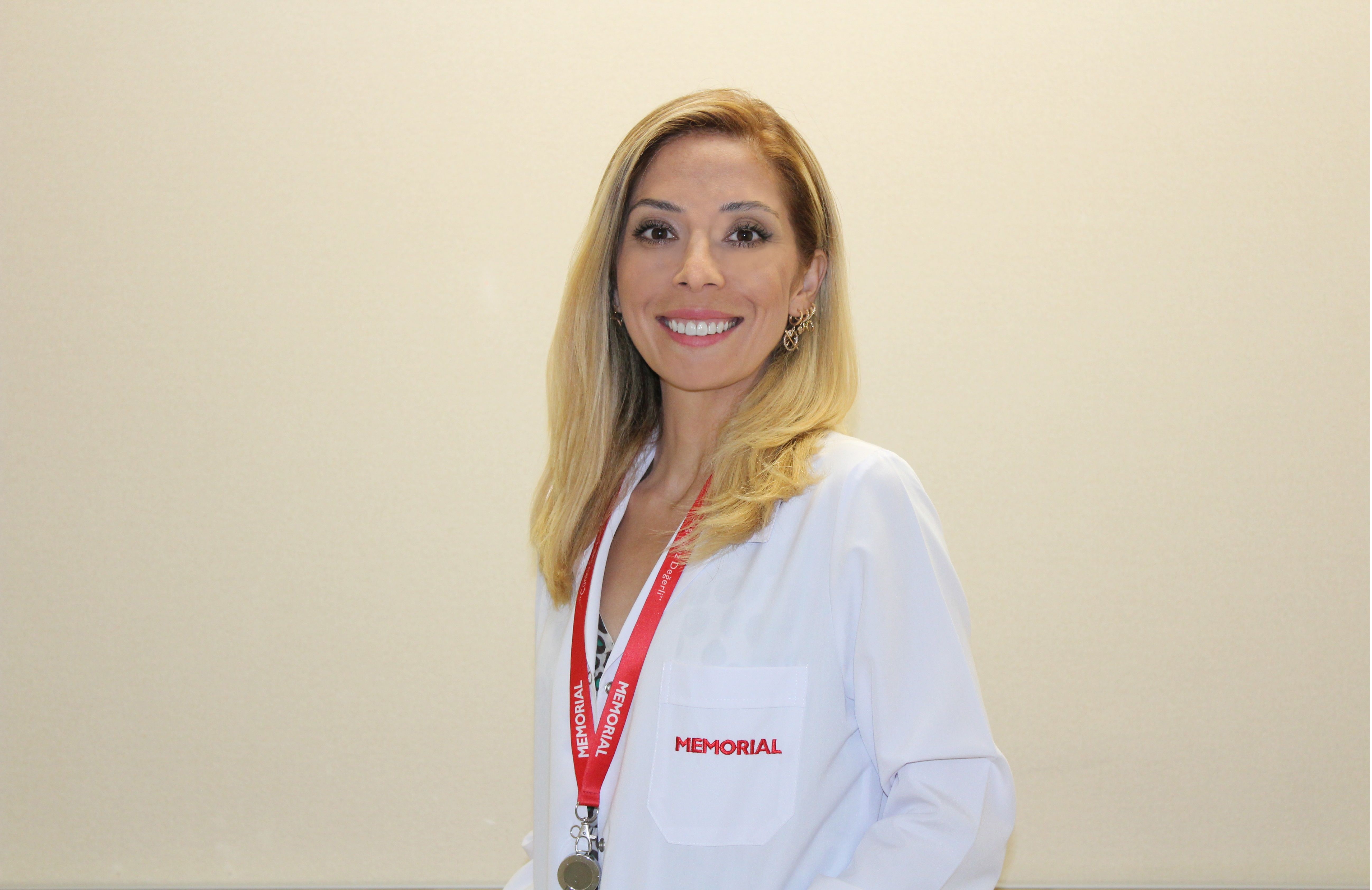
Dr. Ayşe Yener Güçlü, Physical Therapy and Rehabilitation Specialist working in a private hospital in Antalya, explained the ways to prevent osteoporosis on the occasion of “October 20, World Osteoporosis Day”. Pointing out that osteoporosis can be seen not only in the elderly but also at any age. Dr. Ayşe Yener Güçlü said, “Osteoporosis is a ‘silent’ disease where there are usually no symptoms and the disease is not recognized until a bone is broken.”
Memorial Antalya Hospital Department of Physical Therapy and Rehabilitation, Specialist. Dr. Ayşe Yener Güçlü shared the precautions to be taken against osteoporosis, popularly known as bone search, within the scope of “October 20 World Osteoporosis Day”.
“The disease progresses insidiously”
Specialist Dr. Ayşe Yener Güçlü stated that osteoporosis, which causes back pain, night cramps and easy bone fractures, is a bone disease that develops when bone mineral density and bone mass decrease or when the structure and strength of the bone changes. Güçlü continued as follows:
“These symptoms are the most well-known symptoms of osteoporosis, popularly known as osteoporosis, which means the loss of density and deterioration of the structure of the bones in the body. Osteoporosis can be seen not only in the elderly but also in all age groups and can seriously reduce the quality of life. Osteoporosis can lead to a decrease in bone strength that can increase the risk of fractures. Osteoporosis is a 'silent' disease where there are often no symptoms and the disease is not recognized until a bone breaks. Osteoporosis is the leading cause of fractures in post-menopausal women and older men. Fractures can occur in any bone but are most common in the hip bones, vertebrae in the spine and the wrist.”
Risk factors
Uzm. Dr. Ayşe Yener Güçlü listed the risk factors in osteoporosis as follows:
“Since women have less bone tissue, their risk of developing osteoporosis is also higher. Risk factors include a diet low in calcium, vitamin D deficiency, lack of sufficient physical activity, genetic predisposition, smoking, alcohol and caffeine consumption that accelerate the decrease in bone mass, long-term high-dose use of certain medications (steroids) and some chronic diseases. Common symptoms of the disease are low back and back pain, shortening in height, fractures in the spine, hunching in the back, rounding of the shoulders, fractures in the ribs, wrist and hip bones.”
“Bone density measurement may be necessary after the age of 40 in women and 50 in men”
Stating that after the 40s, especially due to hormonal changes in women, the bone gradually loses its mass, Uzm. Dr. Ayşe Yener Güçlü said, “Bones in the body are structures that structurally support muscles, protect vital organs and store calcium. The periods when bone mass is at the highest levels are in the 30s and 40s. After the 40s, hormonal changes, especially in women, cause the bone to gradually lose mass. This loss accelerates with menopause. Measurement between the ages of 40-45 before menopause is important for determining pre-menopausal values. Although bone resorption is rare in men compared to women, in the presence of risk factors, it may be necessary to measure bone density at the age of 50 and above.”
“It is useful to do it in the same center”
Underlining that the first step to be taken to prevent serious health problems is regular bone density measurements, Uzm. Dr. Ayşe Yener Güçlü said, “The most accurate application in bone density measurement, which can be performed with various radiological methods, is the measurement made using X-rays from the lower spine bones and the head and neck part of the thigh bone with the help of the ‘Dexa’ device. In a scan to determine bone density, X-rays are given to the patient for a very short time. The radiation received during the procedure is similar to the daily natural radiation intake and is very safe for the patient. Bone mass measurement can also be used in children in the presence of risk factors and helps diagnosis. In healthy women, measurements should be repeated every 1.5-2 years starting in their 40s. However, in people who are at risk or undergoing treatment, measurements should be performed at more frequent intervals as directed by the doctor. On the other hand, since the patient's results obtained in each measurement may vary according to the device; it will be beneficial to have regular measurements performed in the same center.”
İHA Haber Kodu: 20241018AW310755