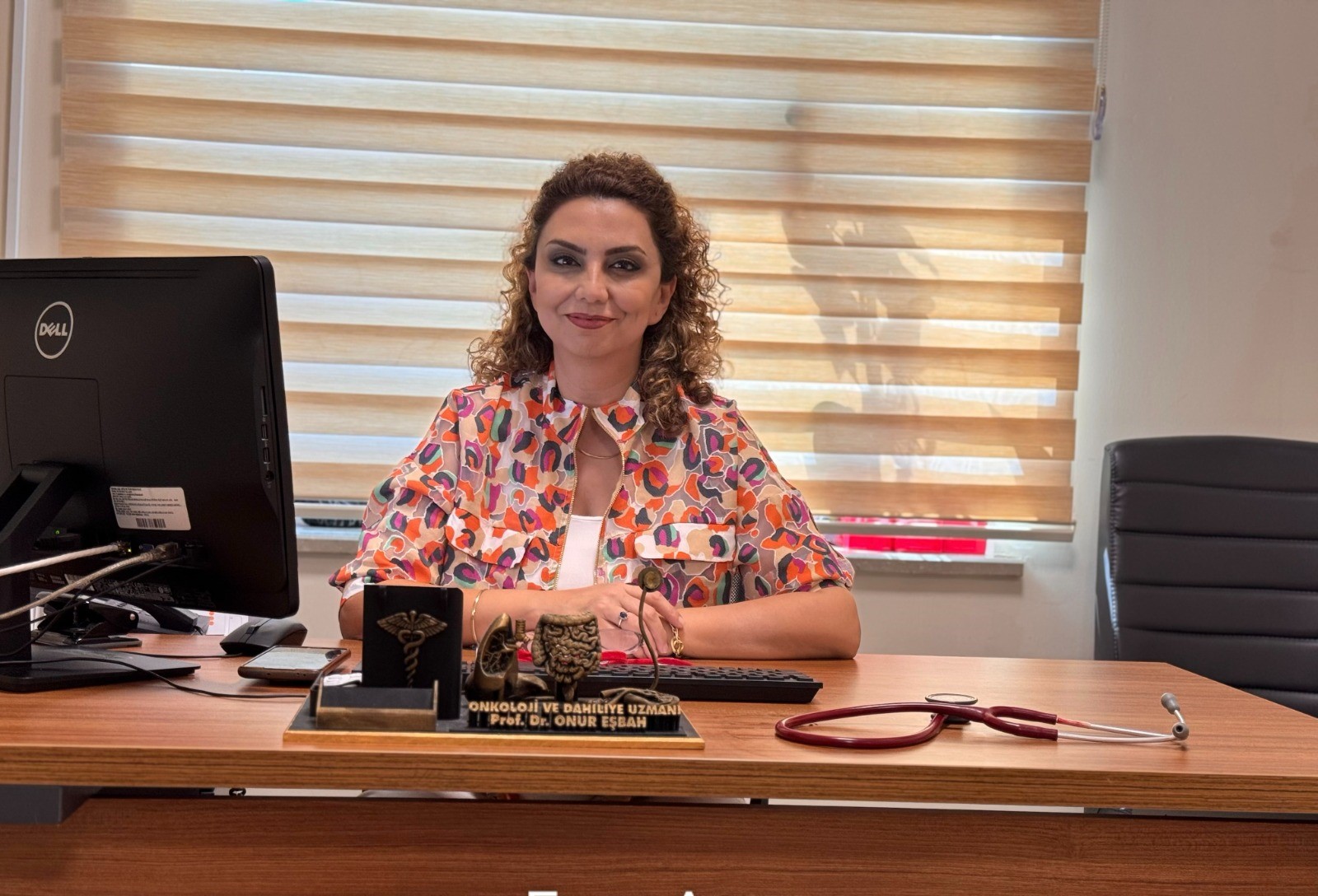
Prof. Dr. Onur Eşbah made a statement on the occasion of breast cancer awareness month and emphasized that breast cancer is the type of cancer that is seen in one in every eight women and has the highest risk of being caught.
Düzce University Faculty of Medicine Internal Medicine and Medical Oncology Specialist Prof. Dr. Onur Eşbah made important statements on the occasion of breast cancer awareness month. Prof. Dr. Onur Eşbah, who started his words by emphasizing that breast cancer is the type of cancer seen in one in every eight women and has the highest risk of being caught, said that this type of cancer occurs as a result of the DNA of some cells in the tissues that make up the breast mutating and dividing and multiplying uncontrollably.
Emphasizing that breast cancer is not yet a preventable disease, but the importance of early diagnosis, Prof. Dr. Onur Eşbah listed the reasons that increase the risk of breast cancer as obesity, never having given birth, sedentary life, alcohol consumption, starting menstruation at an early age and entering menopause at a late age (breast tissues are exposed to high hormone levels for a longer period of time), carrying genetic BRCA 1-2 mutation, having a family history of breast cancer.
Ways to reduce the risk of breast cancer
Onur Eşbah also made statements about the methods of preventing breast cancer and said, “Breast cancer is a multifactorial disease. Various measures can be taken for some of these factors to prevent cancer. For example, eating habits and overweight increase the risk of breast cancer as well as many other diseases. To reduce this risk, it may be effective to reduce daily fat consumption, limit alcohol consumption, avoid smoking, and engage in regular physical activity. Having children and breastfeeding also reduce the risk of breast cancer. For every 12 months of breastfeeding, the risk of breast cancer decreases by approximately 4 percent.”
The most risky group under the threat of breast cancer
Emphasizing that the most risky group is those who carry the genetic BRCA-1-2 mutation, Eşbah said, “The incidence of breast cancer in women with BRCA gene mutation can be 80-85 percent. The risk of second breast cancer in women who have this mutation and have breast cancer is approximately 50-60 percent. In addition, the risk of ovarian cancer is accepted to be between 45-50 percent.”
How is it treated? Can herbal products be used?
Stating that treatment is initiated according to the characteristics and stage of the cancer, Prof. Dr. Eşbah said, “The treatment plan is usually created by a multidisciplinary team. One of the most important goals is not to impair the quality of life while giving treatment. In the treatment of breast cancer, surgery, drug treatment called chemotherapy, radiotherapy, targeted therapies, immunotherapy and hormone therapies are used alone or in combination depending on the condition of the patient and the disease. I would like to emphasize that there is no herbal product that has made it into the oncology literature and has been scientifically proven to be beneficial for breast cancer.”
Oncology unit also serves the region
Reminding that Düzce University Hospital serves patients as a medical oncology clinic, Prof. Dr. Onur Eşbah said, “Unfortunately, our patient numbers are quite high. As an oncology clinic, we continue to serve our patients in our outpatient chemotherapy center and in the inpatient ward of our hospital. I would also like to emphasize that we provide our oncological treatments with robotic drug preparation system without touching hands, minimizing human factor errors. Apart from Düzce province, we also serve the region as an oncology unit. Among the cities that apply to our department the most; I can count Bolu, Zonguldak, Ereğli, Alaplı, Sakarya's Hendek district. I can say that we provide 19 thousand 50 outpatients and 5 thousand 30 chemotherapy treatments annually and these numbers increase every year.”
Emphasizing again that early diagnosis is life-saving, Düzce University Faculty of Medicine Internal Medicine and Medical Oncology Specialist Prof. Dr. Onur Eşbah concluded his statement by reminding women over the age of 40 not to neglect their examinations and annual mammograms.
İHA Haber Kodu: 20241001AW298503