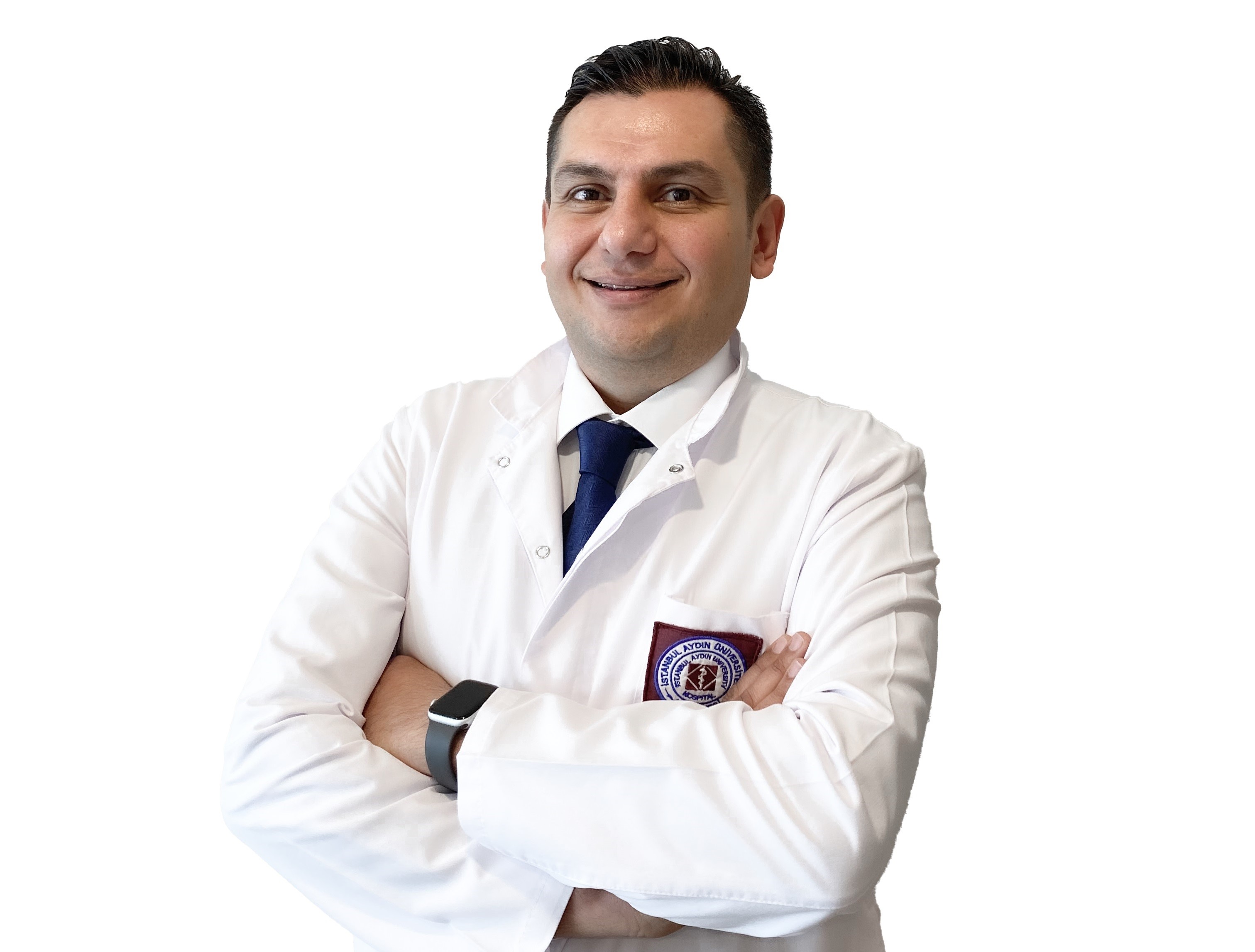
Underlining that a healthy and balanced diet is important for people diagnosed with prostate cancer, Urology Specialist Assoc. Prof. Dr. Hüseyin Cihan Demirel said, “It is important for prostate cancer patients to consume vegetables and fruits. Especially antioxidant-rich foods such as tomatoes and broccoli are recommended. Whole grain products and legumes facilitate digestion. Red meat and saturated fats should be reduced.”
Stating that prostate cancer is a type of cancer caused by the uncontrolled proliferation of malignant cells in the prostate gland in men, Urology Specialist Assoc. Prof. Dr. Hüseyin Cihan Demirel from IAU VM Medical Park Florya Hospital gave warnings due to Prostate Cancer Awareness Day.
Stating that the prostate is part of the male reproductive system, located just below the bladder and is an organ surrounding the urethra that allows urine to be expelled, Assoc. Prof. Dr. Hüseyin Cihan Demirel said that prostate cancer often progresses slowly and may not give symptoms in its early stages.
“Incidence has increased in Turkey”
Underlining that prostate cancer is one of the most common types of cancer among men in Turkey, Assoc. Prof. Dr. Demirel said, “Thousands of new cases are detected every year. There has been an increase in prostate cancer cases in recent years. The reasons for this increase include the aging of the society, increased access to health services and increased awareness. In addition, the more widespread use of PSA tests has also increased early detection rates.”
“50 years and above are at risk”
Pointing out that prostate cancer is more common in men over the age of 50, Assoc. Prof. Dr. Demirel said, “However, the risk increases even more in men aged 65 and over. Prostate cancer may be more aggressive in men in this age group. Although the likelihood of prostate cancer at a young age is low, it can be seen at an earlier age in people with genetic predisposition. In rare cases, prostate cancer can also be seen at a young age. Generally, young men with a family history of prostate cancer or carrying genetic mutations can get this type of cancer at an earlier age.”
“Symptoms of prostate cancer”
Stating that although prostate cancer usually does not show obvious symptoms in its early stages, symptoms such as difficulty urinating or weak urine flow, burning or pain during urination, blood in the urine, pain in the back, hip or pelvic area, pain during ejaculation, urinary incontinence and bone pain (in case of metastasis of cancer) may occur in the later stages, Assoc. Prof. Dr. Hüseyin Cihan Demirel stated that some of these symptoms may be related to conditions other than prostate cancer, so people who notice these symptoms should definitely consult a doctor.
“Risk factors should be considered”
Pointing out that although the exact causes of prostate cancer are not fully known, there are some risk factors, Assoc. Prof. Dr. Demirel listed them as follows:
“Age: Prostate cancer is more common in men aged 50 and over.
Family history: Men with a family history of prostate cancer have a higher risk of developing this cancer.
Genetic factors: Mutations in the BRCA1 and BRCA2 genes can increase the risk of prostate cancer.
Hormones: High testosterone levels can make latent prostate cancer more aggressive.
Lifestyle: Smoking, unhealthy diet and a sedentary lifestyle are factors that increase the risk of prostate cancer.”
“Diagnosis can be made with 4 different methods”
Underlining that early diagnosis of prostate cancer is an important life-saving factor, Assoc. Prof. Dr. Demirel stated that prostate cancer can usually be diagnosed with the following methods:
“PSA test (Prostate Specific Antigen): A high PSA level in the blood test may indicate the possibility of prostate cancer.
Finger rectal examination (PRM): The doctor checks the prostate with a finger and evaluates whether there is abnormal growth.
Imaging methods: Methods such as MRI and ultrasound are used to detect the size and spread of the tumor. In addition, methods such as PSMA-PET and bone scintigraphy are used to look for distant organ and bone metastases.
Biopsy Standard or targeted samples of prostate tissue are taken and examined under a microscope to check for cancerous tissue. ”
“High survival rate in early diagnosis”
Pointing out that prostate cancer is usually a slowly progressing type of cancer and that many patients continue to live for many years after diagnosis, Assoc. Prof. Dr. Demirel said, “When diagnosed early, the rate of treatment and the patient's completely healthy life is quite high. However, advanced prostate cancer that has metastasized may have higher mortality rates. In general, although prostate cancer is the second most common cancer in men, mortality rates are lower than some other types of cancer.”
“Most commonly used treatment modalities”
Stating that the treatment of prostate cancer varies according to the stage of cancer, the general health status and age of the patient, and that the appropriate treatment method for each patient is personalized by the doctor, Assoc. Prof. Dr. Demirel shared the following information about the commonly used treatment methods:
“Active follow-up: In early-stage and slowly progressing cancers, regular monitoring may be preferred instead of treatment.
Focal Therapy: It is a treatment method in which only the cancerous tissue inside the prostate is treated with various methods.
Surgery: Radical prostatectomy, in which the prostate is completely removed, is a common treatment method. Radiotherapy: Radiation is applied to the tumor area to kill the cancer cells. Hormone therapy: Hormones that trigger cancer growth are suppressed.
Chemotherapy: In advanced cancers, drug treatment is applied to prevent the spread of cancer.”
“Nutrition should be taken into consideration in prostate cancer”
Underlining that a healthy and balanced diet is important for people diagnosed with prostate cancer, Assoc. Prof. Dr. Demirel made the following suggestions that can support the treatment process:
“Vegetable and fruit consumption: Especially foods rich in antioxidants such as tomatoes and broccoli are recommended.
Fiber foods: Whole grain products and legumes facilitate digestion.
Fat consumption: Reducing red meat and saturated fats is recommended. Foods rich in omega-3 fatty acids should be preferred.
Dairy products: Some studies have shown that excessive consumption of dairy products may increase the risk of prostate cancer. Therefore, these products should be consumed in a balanced way.”
