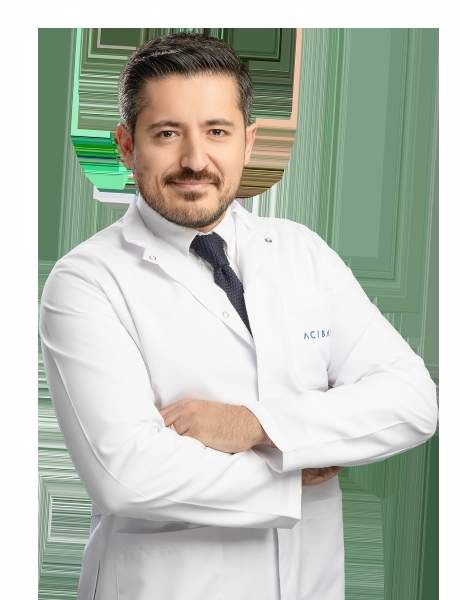
Gynecologist Kağan Açıkgözoğlu stated that tubal obstruction in women is one of the causes of infertility and drew attention to the problems that cause obstruction or impaired function. Stating that previous infection or surgical procedure, chocolate cysts, sexually transmitted diseases, ectopic pregnancy can lead to tubal obstruction, Uzm. Dr. Açıkgözoğlu said, “It is possible to repair blocked tubes laparoscopically (closed) or laparotomically (open).”
Acıbadem Kent Hospital Gynecology and Obstetrics Specialist Dr. Kağan Açıkgözoğlu made explanations about “tubal obstruction”, one of the causes of reproductive problems seen in women. Stating that the diagnosis of this condition that prevents pregnancy can be clearly diagnosed and there is a chance of repair, Uzm. Dr. Açıkgözoğlu gave the following information: “Tubal obstruction is an important factor among the causes of reproductive problems. We call the tubes that come out of both sides of the uterus and connect the ovaries and the uterus as fallopian tubes. Every month in a healthy woman, one egg (oocyte) from the right or left ovary passes through these tubes and reaches the uterus. Unfortunately, infertility as a result of obstruction or impaired function of the tubes is known as tubal factor. There are many causes, but the most common cause of tubal-related infertility is infections, other common causes are endometriosis (chocolate cyst), pelvic inflammatory disease (infections of the ovaries, tubes, uterus and surrounding soft tissues), sexually transmitted diseases (most commonly chlamydia and gonorrhea), ectopic pregnancy and previous surgical history. As a result, all of these can cause damage to the tubes in women. After a comprehensive gynecological examination in these patients, we can clearly diagnose the problem in the uterus and fallopian tubes with hysterosalfingography, also known as uterine film.”
Treatment is decided on a patient-specific basis
Stating that making a patient-specific decision about treatment is the best approach, Uzm. Dr. Açıkgözoğlu said, “In some cases, it is of course possible to repair the tubes laparoscopically (closed) or laparotomically (open). In the group of patients who do not respond to this method, IVF treatment can be applied. In the case of fluid accumulation in the tubes, which we call hydrosalpenx, which occurs in some patient groups, the fluid accumulated in the tube can flow into the uterus and reduce the chance of pregnancy. Therefore, in these cases, the relationship between the tube and the uterus is cut or the tube can be removed by laparoscopy before performing IVF treatment.”
İHA Haber Kodu: 20241016AW309009