Urology Specialist Op. Dr. Yüzgeç: ''If urinary system stone disease is not treated, the kidney may rot''
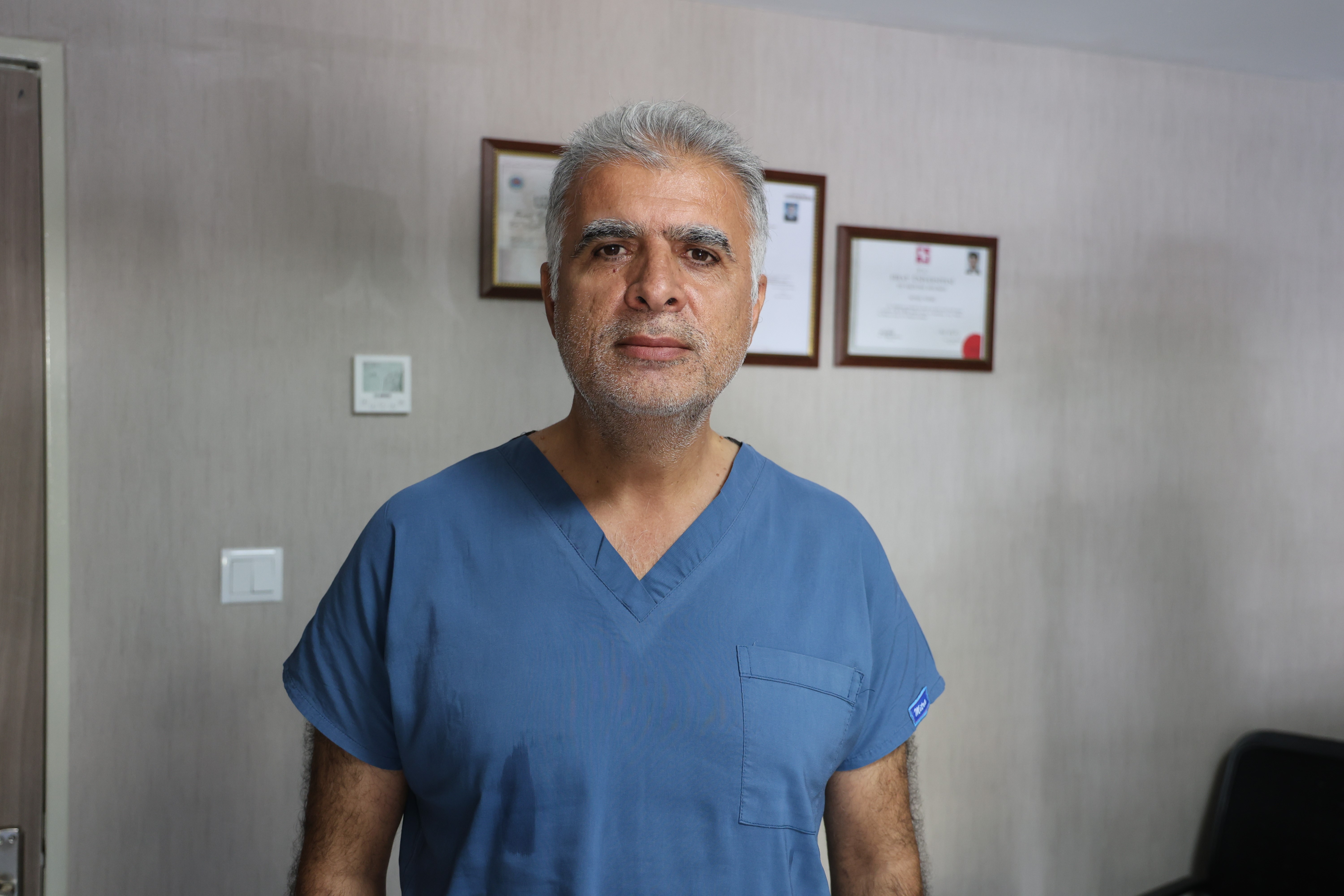
Medilines Hospital Urology Specialist Op. Dr. Veysel Yüzgeç, who made evaluations about urinary system stones, said, “Stone disease is more common in men and in the 30s, but we can even see it in newborn children. It is a serious disease. If it is late or if treatment is not done and necessary interventions are not made, it can rot the kidney. That is why there are many people who have lost their kidneys.”
Urology Specialist Op. Dr. Veysel Yüzgeç made evaluations about urinary system stones. Urology Specialist Op. Dr. Veysel Yüzgeç, who stated that urinary system stones can be anatomically in the kidney, said, “It can be in the urinary canal we call ureter, that is, between the kidney and bladder, in the bladder. It can be in the channel we call urethra after the bladder. Symptoms and treatment may vary depending on its location, size and shape. Generally, patients complain of severe pain that starts from the side and radiates to the groin. Nausea and vomiting, burning and darkening of urine are usually present. Urinary tract stone diseases are more common in people who have previously passed stones or have a family history of stone problems. Stones are more common in people who eat a protein-rich diet, work in hot regions, work at a desk, are sedentary, drink less water and have frequent infections. We recommend that people with these risks for stone formation undergo an annual urinary system check-up. Treatment depends on the location, size and shape of the stone. The treatment can be performed with endoscopic and closed methods called PNL or open surgery. Even if the stone is removed after treatment, the patient is still likely to have stones again. We provide the patient with the necessary information about eating and drinking, especially in the preventive treatment part, so that the patient does not have stones. Patients should consume less meat and meat products, milk and dairy products. On the contrary, they should increase their water consumption and reduce salt. Salt is one of the reasons that increase stone formation. Stone disease is more common in men and people in their 30s, but it can be seen even in newborn children. It is a serious disease. If it is late or if treatment is not given and necessary interventions are not made, it can rot the kidney. There are many patients who lose their kidneys because of this. Stone pain usually starts from the side, hits the groin, progresses with nausea and vomiting, and is severe and colicky. In painless stone diseases, the stone is usually seen by chance while investigating another disease, in these patients, the damage to the kidney can be more serious. They are insidious and more dangerous. We recommend that our patients undergo an annual check-up without waiting for this stage. In these times, especially in urban life, access to natural water is not always possible. The added chlorine value, the cleanliness of the water, whether there are microbes or not are also important issues in terms of kidney stones. In terms of hard water and soft water, no significant difference was found between hard water and soft water in multicenter scientific studies. Anatomical structure, genetic structure, lifestyle and living in a hot climate zone are more effective in stone diseases.”
İHA Haber Kodu: 20240906AW281872