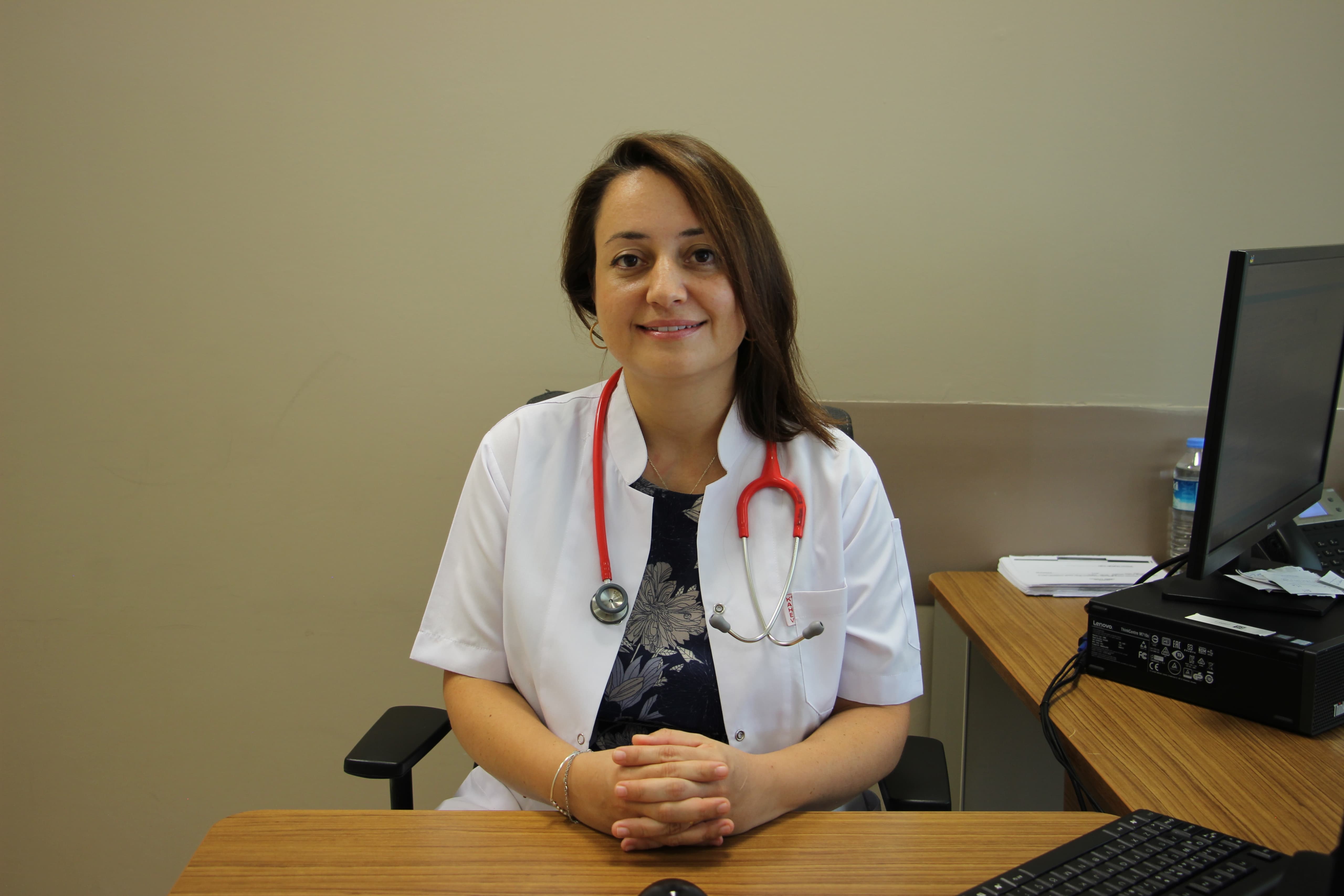
Dr. Didem Durmaz İşançlı, Pediatric Infectious Diseases Specialist at Elazığ Fethi Sekin City Hospital, gave information about pediatric infectious diseases and emphasized that childhood vaccinations should be done when necessary.
Stating that infectious diseases are the name given to diseases caused by microorganisms such as bacteria, viruses, parasites and fungi, Uzm. Dr. İşançlı said that these microorganisms enter the body in different ways such as mouth, skin, digestive and respiratory tract and cause infectious diseases. Uzm. Dr. İşançlı said, “Infectious diseases are among the leading reasons for children to apply to the polyclinic. The most common infectious diseases are upper respiratory tract infections such as throat infections, ear infections, gastrointestinal infections and urinary tract infections. We also frequently see lower respiratory tract infections, although they vary according to the seasons. These infections should be evaluated by a pediatric infectious diseases specialist in cases where they do not respond to first-line treatments or require further examination and treatment. For example, fever lasting longer than five days, recurrent fever or fevers whose focus cannot be understood and the cause cannot be found despite examination and tests should be evaluated by a pediatric infection physician. Again, if we do not get the desired response to treatment in lymph node enlargement, which is a frequent reason for application to polyclinics, the pediatric infectious diseases specialist evaluates the patient in terms of infections that may cause this. Apart from these, especially babies born to mothers living with HIV, which we know as human immunodeficiency virus, follow-up treatment of children living with HIV, resistant infections developing in these children, vaccination of these children, resistant infections developing in children whose immune system is suppressed due to the drugs they use or due to certain diseases, and vaccination plans of these children are also carried out by us. In addition, immunosuppressive drugs may need to be started in children due to some diseases, and the patient should be evaluated by a pediatric infectious disease physician before these drugs are started and should be evaluated by a pediatric infectious disease physician at regular intervals throughout the use of these drugs. There are a number of infectious diseases transmitted from animals to humans. We call these zoonoses. Brucellosis, which is especially common in our region and is transmitted by consuming milk and dairy products of sick animals, tularemia, which is transmitted by contact with game animals, and diseases transmitted by tick bites, especially Crimean Congo Hemorrhagic Fever, are evaluated and followed up by the pediatric infectious diseases specialist. Again, the treatment and follow-up of tuberculosis disease, which is more commonly known as tuberculosis among the public, which can affect all organs in our body, especially the lungs, is carried out by us. Infectious diseases can affect all organs in our body, nervous system, respiratory system, digestive system, tissues such as skin and bone tissue. In such cases, if there is no response to the first-line antibiotic treatments we often use, or if these infections are caused by microorganisms that have developed resistance to antibiotics, it will be appropriate to organize treatment and follow-up by a pediatric infection physician. In order to protect children from infectious diseases, we can protect children from infectious diseases by paying attention to precautions such as not getting too close to sick people, not entering crowded environments too much, especially when we encounter increased infections in the winter season, especially in accordance with the Ministry of Health vaccination calendar.
İHA Haber Kodu: 20240731AW258008