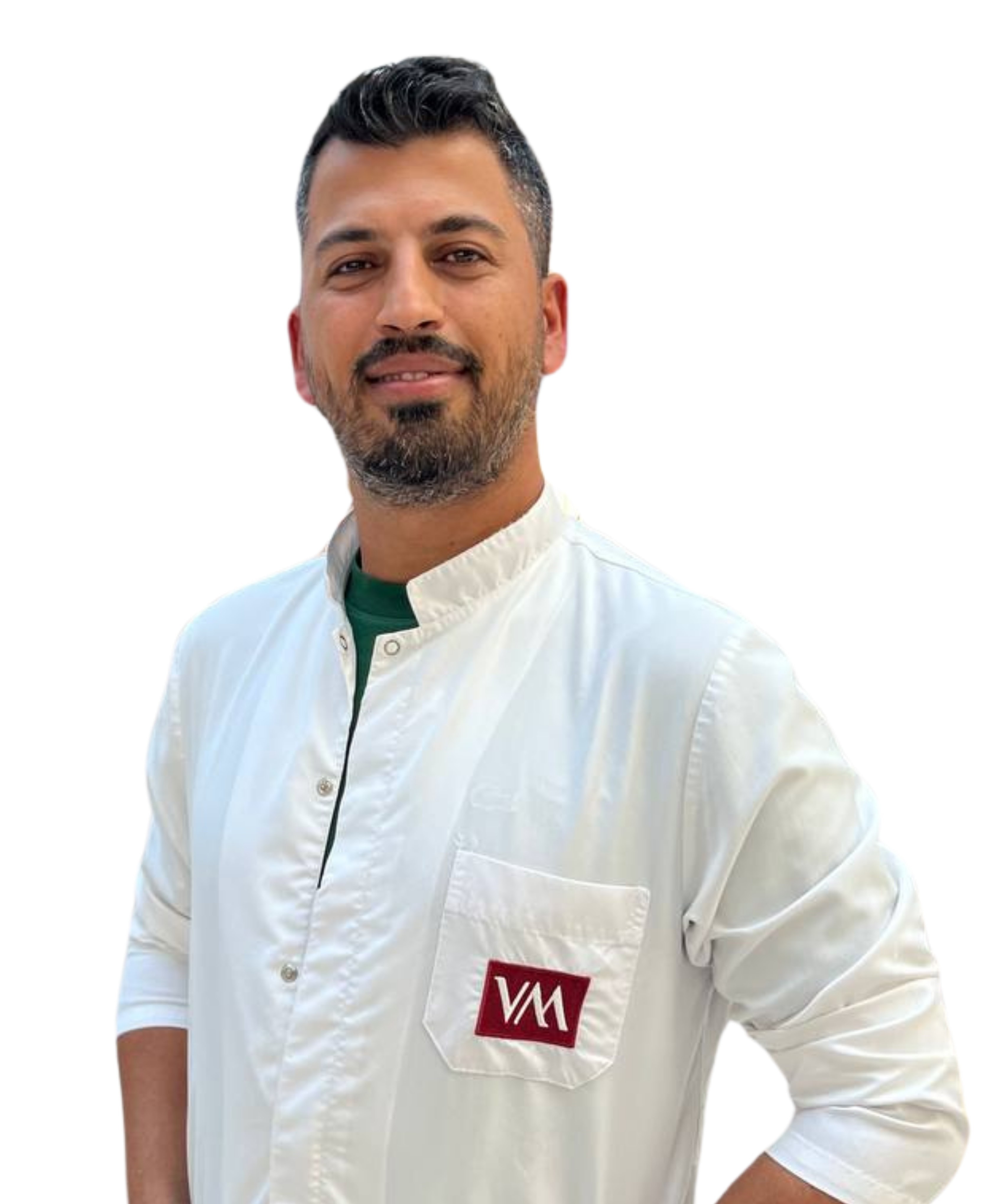
Stating that vitamin B12 reduces the risk of anemia by supporting the production of red blood cells, Internal Medicine Specialist Dr. Mehmet Sarıaydın said, “Symptoms such as fatigue, weakness, low energy, forgetfulness, memory problems, impaired concentration, nervous system disorders such as tingling and numbness, dizziness, shortness of breath, pale skin, anemia, swelling or pain in the tongue, depression, mood changes may indicate vitamin B12 deficiency.”
Stating that vitamin B12, also known as cobalamin, is a water-soluble vitamin that is necessary for the body's normal nervous system function and the production of blood cells, Internal Medicine Specialist Dr. Mehmet Sarıaydın from VM Medical Park Pendik Hospital gave information about B12, which also plays an important role in DNA synthesis.
“Benefits of vitamin B12”
Stating that vitamin B12 has many benefits in the body, Uzm. Dr. Sarıaydın said, “Vitamin B12 supports the production of red blood cells, which reduces the risk of anemia. It also supports brain functions and helps the nervous system to function properly. It also contributes to DNA and RNA synthesis. It prevents fatigue and weakness by supporting energy production. It provides positive effects on metabolism.”
“Beware of fatigue, memory problems and dizziness”
Uzm. Dr. Sarıaydın said that the following symptoms can be seen in the body in vitamin B12 deficiency: “Fatigue, weakness, low energy. Forgetfulness, memory problems. Impaired concentration. Nervous system disorders such as tingling and numbness. Dizziness, shortness of breath. Pale skin and anemia. Swelling or pain in the tongue. Depression, mood changes.”
“Foods that are good for vitamin B12 deficiency”
Vitamin B12 is found in red meat, chicken, fish, eggs, milk and dairy products (cheese, yogurt), organ meats (liver, kidney) and enriched breakfast cereals. Dr. Sarıaydın listed the foods that are good for vitamin B12 deficiency as follows: “Red meat, offal. Fish (salmon, sardines). Eggs. Milk, yogurt, cheese. Foods enriched with B12 (cereals, vegetable milks).”
Emphasizing that some diseases can be seen in Vitamin B12 deficiency, Uzm. Dr. Sarıaydın stated that pernicious anemia, nervous system diseases (neuropathy), memory loss and cognitive impairments, depression, dementia and skin problems are among the leading ones.
“Elderly and vegetarians are at risk”
Underlining that some people are especially at risk for vitamin B12 deficiency, Uzm. Dr. Sarıaydın said, “Those who follow vegan and vegetarian diets (because they do not consume animal-derived foods), the elderly (B12 absorption decreases with age), those with chronic gastrointestinal diseases (e.g. Crohn's disease, celiac disease), those who have undergone stomach surgery, those who use long-term proton pump inhibitors (PPI) or antacids, and those with alcohol addiction should be careful in this regard.”
“Consumption of meat, dairy products and eggs should be increased”
Uzm. Dr. Sarıaydın made the following suggestions about how vitamin B12 deficiency can be eliminated: “Adequate B12 intake should be ensured through diet. Especially meat, dairy products and egg consumption should be increased. Vitamin B12 supplements (tablets, sublingual form, injections) can be used on doctor's recommendation. For vegans, plant foods and supplements enriched with B12 may be recommended.”
“Supplements should not be used without a doctor's approval”
Adding that there are also things to be considered when using additional supplements, Uzm. Dr. Sarıaydın said, “Overdose of B12 supplements should not be used without a doctor's advice. When B12 deficiency is a serious problem, levels should be monitored with regular blood tests.
The risk of interaction with other medicines should be checked. Patients with absorption problems (e.g. those with gastrointestinal diseases) should take supplements in the correct form (such as injection).”
